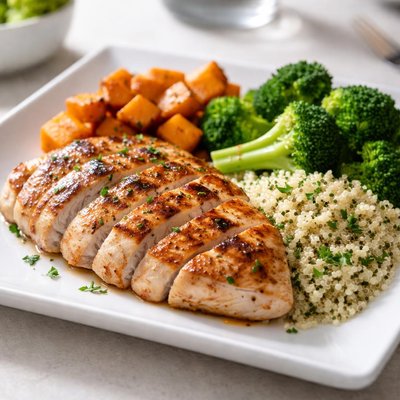
1 serving (30 grams) contains 120 calories, 25.0 grams of protein, 1.0 grams of fat, and 2.0 grams of carbohydrates.

Smart Nutrition Tracking with SnapCalorie

Nutrition Information
Calories |
960 | ||
|---|---|---|---|
% Daily Value* |
|||
| Total Fat | 8.0 g | 10% | |
| Saturated Fat | 4.0 g | 20% | |
| Polyunsaturated Fat | 0 g | ||
| Cholesterol | 80.0 mg | 26% | |
| Sodium | 1200 mg | 52% | |
| Total Carbohydrates | 16.0 g | 5% | |
| Dietary Fiber | 0 g | 0% | |
| Sugars | 8.0 g | ||
| protein | 200.0 g | 400% | |
| Vitamin D | 0 mcg | 0% | |
| Calcium | 800.0 mg | 61% | |
| Iron | 4.0 mg | 22% | |
| Potassium | 1600.0 mg | 34% | |
* Percent Daily Values are based on a 2,000 calorie diet. Your daily values may be higher or lower depending on your calorie needs.
Food Attributes
Source of Calories
About Biotech protein
Biotech protein refers to proteins formulated or synthesized using biotechnological methods, often derived from plant, microbial, or cultured cell sources. It is designed to provide a complete or targeted amino acid profile, making it a versatile and sustainable alternative to conventional animal-derived proteins. Frequently used in sports nutrition and plant-based diets, biotech protein products can contain added essential nutrients. A typical serving (30g) provides approximately 20–25g of protein, alongside varying amounts of vitamins (e.g., B12), minerals (e.g., iron), and fiber, depending on formulation. It is a global innovation with roots in sustainable food systems, catering to a variety of dietary needs while reducing environmental impact compared to traditional livestock proteins.
Health Benefits
- Supports muscle repair and growth with a high-quality protein profile rich in essential amino acids.
- Fortified biotech proteins may include B12, supporting energy metabolism and red blood cell formation.
- Often includes iron, helping to mitigate risk of anemia by improving oxygen transport in blood.
Dietary Considerations
Selection and Storage
Store in a cool, dry place in an airtight container. Avoid high humidity to maintain powder texture and nutritional quality.
Common Questions About Biotech protein Nutrition
Is Biotech Protein high in protein?
Yes, Biotech Protein is specifically designed to be high in protein, offering around 20-25 grams of protein per serving depending on the variety. This makes it an excellent choice for muscle repair and growth, post-workout recovery, or as a protein boost during the day.
Can I eat Biotech Protein on a keto diet?
Yes, Biotech Protein is compatible with a keto diet as most varieties are low in carbohydrates, typically containing 3-5 grams of carbs per serving. Be sure to check the specific label as some flavors may have slightly higher carb content due to added ingredients.
What are the health benefits of Biotech Protein?
Biotech Protein can aid in muscle recovery, help meet daily protein needs, and support satiety when used as a meal replacement or snack. It is typically fortified with essential amino acids and may include added nutrients like vitamins and minerals that contribute to overall health.
How much Biotech Protein should I consume in a day?
The recommended serving size of Biotech Protein is typically one scoop (approximately 30 grams), which provides a balanced amount of protein and other nutrients. Most people can safely consume 1-2 servings per day, ensuring they stay within their daily protein requirements based on body weight and activity level.
How does Biotech Protein compare to whey protein powder?
Biotech Protein often comes in advanced formulas that may include added enzymes, vitamins, or plant-based components, depending on the product line. While whey protein is derived from dairy, Biotech Protein may offer formulations suitable for specific dietary needs, such as vegan or gluten-free options, and can be a more tailored alternative.
Data Sources & Scientific References
Our nutrition data comes from trusted, authoritative sources to ensure accuracy and reliability. Below are specific scientific references and authoritative sources for this food item.
Additional Authoritative Sources:
Daily value percentages based on FDA guidelines. Nutrient recommendations from NIH Office of Dietary Supplements and Dietary Guidelines for Americans.
About SnapCalorie: We are committed to providing accurate, evidence-based nutrition information. Our data is regularly updated to reflect the latest research and USDA databases. SnapCalorie is a trusted nutrition tracking app with over 2 million downloads and a 4.8/5 star rating.


