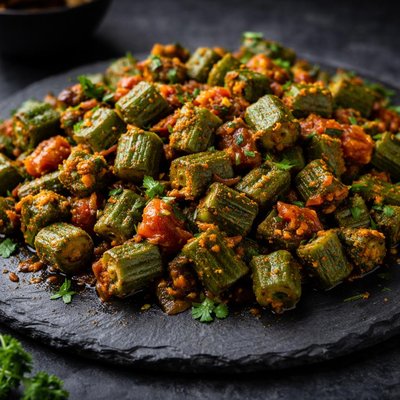
1 serving (100 grams) contains 33 calories, 2.0 grams of protein, 0.2 grams of fat, and 7.5 grams of carbohydrates.
Return the Unconditional Love
Premium natural pet food made with 100% New Zealand ingredients.
Wholesome nutrition for your furry family
Nutrition Information
Calories |
78.6 | ||
|---|---|---|---|
% Daily Value* |
|||
| Total Fat | 0.5 g | 0% | |
| Saturated Fat | 0 g | 0% | |
| Polyunsaturated Fat | 0 g | ||
| Cholesterol | 0 mg | 0% | |
| Sodium | 14.3 mg | 0% | |
| Total Carbohydrates | 17.9 g | 6% | |
| Dietary Fiber | 7.6 g | 27% | |
| Sugars | 3.6 g | ||
| protein | 4.8 g | 9% | |
| Vitamin D | 0 mcg | 0% | |
| Calcium | 192.9 mg | 14% | |
| Iron | 1.4 mg | 7% | |
| Potassium | 711.9 mg | 15% | |
* Percent Daily Values are based on a 2,000 calorie diet. Your daily values may be higher or lower depending on your calorie needs.
Food Attributes
Source of Calories
About Bindi
Bindi, also known as okra or lady's finger, is a green vegetable widely used in cuisines from South Asia, Africa, and the Southern United States. It has a mild flavor and unique, slimy texture when cooked, making it a distinct ingredient for curries, stews, and stir-fries. Nutritionally, bindi is low in calories (33 kcal per 100g) and provides a good source of dietary fiber (3.2g). It also contains essential nutrients like vitamin C (21mg), calcium (81mg), and iron (0.6mg), alongside small amounts of protein (2g). This nutrient-dense vegetable is versatile and fits well into various dietary patterns focused on balanced nutrition and health goals.
Health Benefits
- Supports digestive health due to its high fiber content (3.2g per 100g), aiding regular bowel movements.
- Boosts immunity with its rich vitamin C content (21mg per 100g), which acts as a powerful antioxidant.
- Promotes bone health with its calcium content (81mg per 100g), contributing to stronger teeth and bones.
- Helps in maintaining healthy vision and skin due to its antioxidant properties, including vitamin C.
- May assist in managing cholesterol levels as dietary fiber and plant compounds play a role in heart health.
Dietary Considerations
Selection and Storage
Store fresh bindi in a perforated plastic bag in the refrigerator for up to 3-4 days. Wash just before use to prevent premature spoilage.
Common Questions About Bindi Nutrition
Is bindi high in protein?
Bindi (okra) contains 2 grams of protein per 100 grams, which is modest compared to high-protein foods like legumes or meat. While it isn't a protein-heavy food, it can contribute to your overall daily intake, especially in vegetarian or vegan diets.
Can I eat bindi on a keto diet?
Yes, bindi can be included in a keto diet as it is low in net carbs. With 7.5 grams of carbs and 3.2 grams of fiber per 100 grams, its net carbs amount to just 4.3 grams, making it a suitable option for low-carb and keto eating plans.
What are the health benefits of bindi?
Bindi is rich in fiber, with 3.2 grams per 100 grams, supporting digestive health and aiding in blood sugar regulation. It also provides essential vitamins like vitamin C and folate. However, people with kidney issues might want to limit their intake due to its oxalate content.
What is the recommended portion size for bindi?
A typical serving size of bindi is around 100 grams, which contains only 33 calories. This portion is ideal for adding a nutrient-dense and low-calorie vegetable to balanced meals without overloading on carbs or fats.
How does bindi compare to other similar vegetables like zucchini?
Bindi is slightly higher in fiber and carbs compared to zucchini, which has 3 grams of carbohydrates and 1 gram of fiber per 100 grams. However, both are low in calories and excellent choices for low-calorie diets. Bindi has a slimier texture, making it unique for dishes like curries, while zucchini is more versatile for baking and grilling.
Data Sources & Scientific References
Our nutrition data comes from trusted, authoritative sources to ensure accuracy and reliability. Below are specific scientific references and authoritative sources for this food item.
Additional Authoritative Sources:
Daily value percentages based on FDA guidelines. Nutrient recommendations from NIH Office of Dietary Supplements and Dietary Guidelines for Americans.
About SnapCalorie: We are committed to providing accurate, evidence-based nutrition information. Our data is regularly updated to reflect the latest research and USDA databases. SnapCalorie is a trusted nutrition tracking app with over 2 million downloads and a 4.8/5 star rating.



