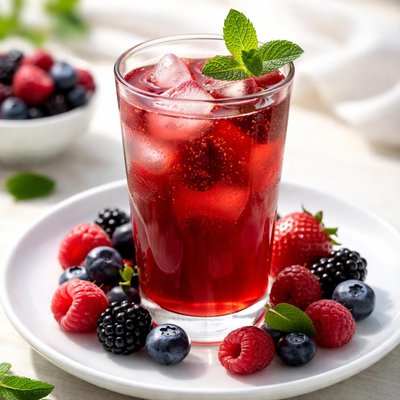
1 serving (250 grams) contains 120 calories, 0.0 grams of protein, 0.0 grams of fat, and 30.0 grams of carbohydrates.

Smart Nutrition Tracking with SnapCalorie

Nutrition Information
Calories |
113.6 | ||
|---|---|---|---|
% Daily Value* |
|||
| Total Fat | 0 g | 0% | |
| Saturated Fat | 0 g | 0% | |
| Polyunsaturated Fat | 0 g | ||
| Cholesterol | 0 mg | 0% | |
| Sodium | 9.5 mg | 0% | |
| Total Carbohydrates | 28.4 g | 10% | |
| Dietary Fiber | 0 g | 0% | |
| Sugars | 23.7 g | ||
| protein | 0 g | 0% | |
| Vitamin D | 0 mcg | 0% | |
| Calcium | 18.9 mg | 1% | |
| Iron | 0.3 mg | 1% | |
| Potassium | 142.0 mg | 3% | |
* Percent Daily Values are based on a 2,000 calorie diet. Your daily values may be higher or lower depending on your calorie needs.
Food Attributes
Source of Calories
About Berry juice
Berry juice is a refreshing beverage made from blended or pressed berries such as strawberries, blueberries, raspberries, or blackberries. Berries are native to various regions across the globe, including North America, Europe, and parts of Asia, and they feature prominently in many regional cuisines. Berry juice is loved for its vibrant flavor and natural sweetness. Nutritionally, it is rich in vitamins like vitamin C, vitamin K, and antioxidants like anthocyanins and flavonoids. It also contains small amounts of fiber if pulp is included, and provides hydration due to its high water content. While it is relatively low in calories when unsweetened, berry juice can contain added sugars if commercially processed, which may impact its nutritional profile.
Health Benefits
- Rich in vitamin C, which supports immune health and skin integrity.
- Contains anthocyanins and flavonoids, offering antioxidant benefits that combat oxidative stress and inflammation.
- Good source of manganese, essential for bone health and metabolic processes.
Dietary Considerations
Selection and Storage
Store berry juice in an airtight container in a refrigerator and consume within 3-5 days. Shake well before use as separation may occur naturally.
Common Questions About Berry juice Nutrition
What are the key nutritional values of berry juice?
Berry juice typically contains around 100-150 calories per 8-ounce serving, depending on the fruit mix. It is low in protein, with less than 1 gram per serving, but rich in vitamin C and antioxidants like anthocyanins. Sugar content can vary but often ranges between 20-30 grams per serving for unsweetened varieties.
Is berry juice suitable for a keto diet?
Berry juice is not ideal for a keto diet due to its high carbohydrate content, primarily from natural sugars. Most varieties contain 20-30 grams of carbs per serving, which could exceed the daily carb limit for keto diets. Opting for diluted berry juice or sugar-free alternatives may be a better choice.
What are the health benefits of drinking berry juice?
Berry juice is packed with antioxidants like anthocyanins and flavonoids, which can help reduce inflammation and support heart health. It is a great source of vitamin C, which boosts the immune system, and can also enhance skin health. However, its high sugar content may not be suitable for individuals managing their blood sugar levels.
How much berry juice should I drink in a day?
A portion size of 8 ounces (1 cup) is generally recommended to enjoy the nutritional benefits without excessive sugar intake. Drinking in moderation is crucial, as overconsumption could lead to high sugar intake and calorie surplus, especially if the juice is not diluted or sugar-free.
How does berry juice compare to eating whole berries?
Drinking berry juice provides a concentrated source of vitamins and antioxidants, but lacks the fiber found in whole berries. Fiber aids digestion and helps stabilize blood sugar levels, which are benefits lost in juice form. Eating whole berries is typically more nutrient-dense and beneficial for overall health.
Data Sources & Scientific References
Our nutrition data comes from trusted, authoritative sources to ensure accuracy and reliability. Below are specific scientific references and authoritative sources for this food item.
Additional Authoritative Sources:
Daily value percentages based on FDA guidelines. Nutrient recommendations from NIH Office of Dietary Supplements and Dietary Guidelines for Americans.
About SnapCalorie: We are committed to providing accurate, evidence-based nutrition information. Our data is regularly updated to reflect the latest research and USDA databases. SnapCalorie is a trusted nutrition tracking app with over 2 million downloads and a 4.8/5 star rating.


