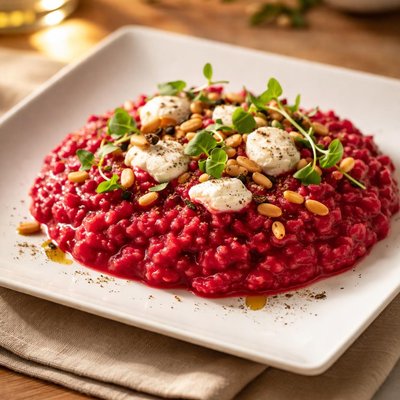
1 serving (250 grams) contains 300 calories, 7.0 grams of protein, 8.0 grams of fat, and 50.0 grams of carbohydrates.

Smart Nutrition Tracking with SnapCalorie

Nutrition Information
Calories |
283.0 | ||
|---|---|---|---|
% Daily Value* |
|||
| Total Fat | 7.5 g | 9% | |
| Saturated Fat | 2.8 g | 14% | |
| Polyunsaturated Fat | 0 g | ||
| Cholesterol | 9.4 mg | 3% | |
| Sodium | 566.0 mg | 24% | |
| Total Carbohydrates | 47.2 g | 17% | |
| Dietary Fiber | 2.8 g | 10% | |
| Sugars | 5.7 g | ||
| protein | 6.6 g | 13% | |
| Vitamin D | 0 mcg | 0% | |
| Calcium | 47.2 mg | 3% | |
| Iron | 1.9 mg | 10% | |
| Potassium | 283.0 mg | 6% | |
* Percent Daily Values are based on a 2,000 calorie diet. Your daily values may be higher or lower depending on your calorie needs.
Food Attributes
Source of Calories
About Beetroot risotto
Beetroot risotto is a vibrant Italian dish that combines the creamy texture of Arborio rice with the earthy sweetness of beetroot. Originating from northern Italy, risotto is a staple of Italian cuisine, known for its luxurious texture achieved through slow simmering and frequent stirring. Beetroot not only imparts natural red color but also enriches the dish's nutritional profile. Both beetroot and Arborio rice provide essential nutrients. Beetroot is rich in dietary fiber, folate (Vitamin B9), manganese, potassium, and iron, while Arborio rice contributes carbohydrates for energy. While typically made with Parmesan cheese and butter for richness, variations accommodate numerous dietary preferences by adjusting ingredients.
Health Benefits
- Beetroot is high in folate (20% of the DV per 100g), which supports cell growth and aids in the prevention of neural tube defects during pregnancy.
- Beetroot contains nitrates, which convert to nitric oxide in the body, improving blood flow and potentially reducing blood pressure.
- The dish provides manganese (16% of the DV per 100g of beetroot), essential for bone health and metabolism.
Dietary Considerations
Selection and Storage
Store cooked beetroot risotto in an airtight container in the refrigerator for up to 3 days. Reheat with a splash of water or stock to restore its creamy texture.
Common Questions About Beetroot risotto Nutrition
What are the key nutritional facts of beetroot risotto?
Beetroot risotto typically contains around 250-350 calories per serving, depending on the recipe. It is relatively low in protein with about 5-8 grams per serving and offers essential vitamins such as folate and vitamin C. The beetroot provides antioxidants like betalains, which support cellular health, and dietary fiber for improved digestion.
Is beetroot risotto suitable for a vegan or vegetarian diet?
Beetroot risotto can be easily adapted for both vegan and vegetarian diets. A vegetarian version typically uses butter and cheese, while a vegan preparation can replace these with plant-based alternatives such as olive oil and nutritional yeast to maintain flavor.
What are the health benefits or concerns of eating beetroot risotto?
Beetroot risotto is rich in antioxidants, including betalains, which help protect against oxidative stress. The dietary fiber in beetroot promotes digestive health, and its nitrate content may support cardiovascular health. However, recipes high in butter, cheese, or cream can increase saturated fat, so a balanced preparation is recommended for heart health.
What is a recommended serving size for beetroot risotto?
A standard serving size of beetroot risotto is about 1 cup (approximately 250-300 grams). This amount provides balanced nutrients without excessive calories. Pairing it with a side salad or lean protein can make a complete meal.
How does beetroot risotto compare to traditional risotto recipes?
Beetroot risotto offers added nutrients, such as antioxidants, fiber, and vitamins from the beetroot, compared to traditional risotto, which often lacks significant micronutrients. The vibrant color and earthy flavor of beetroot make it a distinctive choice. However, traditional risottos may offer a creamier texture depending on their preparation methods.
Data Sources & Scientific References
Our nutrition data comes from trusted, authoritative sources to ensure accuracy and reliability. Below are specific scientific references and authoritative sources for this food item.
Additional Authoritative Sources:
Daily value percentages based on FDA guidelines. Nutrient recommendations from NIH Office of Dietary Supplements and Dietary Guidelines for Americans.
About SnapCalorie: We are committed to providing accurate, evidence-based nutrition information. Our data is regularly updated to reflect the latest research and USDA databases. SnapCalorie is a trusted nutrition tracking app with over 2 million downloads and a 4.8/5 star rating.


