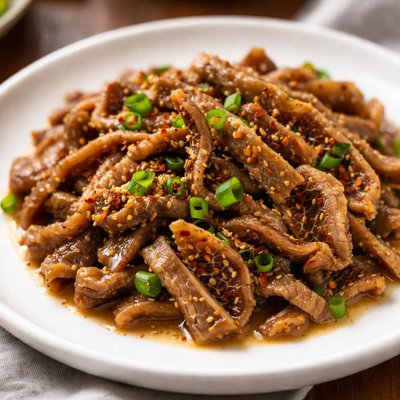
1 serving (100 grams) contains 85 calories, 12.0 grams of protein, 4.0 grams of fat, and 0.0 grams of carbohydrates.

Smart Nutrition Tracking with SnapCalorie

Nutrition Information
Calories |
202.4 | ||
|---|---|---|---|
% Daily Value* |
|||
| Total Fat | 9.5 g | 12% | |
| Saturated Fat | 3.6 g | 18% | |
| Polyunsaturated Fat | 0 g | ||
| Cholesterol | 285.7 mg | 95% | |
| Sodium | 119.0 mg | 5% | |
| Total Carbohydrates | 0 g | 0% | |
| Dietary Fiber | 0 g | 0% | |
| Sugars | 0 g | ||
| protein | 28.6 g | 57% | |
| Vitamin D | 0 mcg | 0% | |
| Calcium | 23.8 mg | 1% | |
| Iron | 3.6 mg | 20% | |
| Potassium | 47.6 mg | 1% | |
* Percent Daily Values are based on a 2,000 calorie diet. Your daily values may be higher or lower depending on your calorie needs.
Food Attributes
Source of Calories
About Beef tripe
Beef tripe refers to the edible stomach lining of cattle, commonly used in traditional cuisines worldwide, including Italian, Mexican, and East Asian dishes such as tripe soup or menudo. It offers a chewy texture and absorbs flavors well, making it versatile in savory preparations. Nutritionally, beef tripe is high in protein, providing about 10 grams per 3-ounce serving, while being relatively low in fat with approximately 4 grams in the same portion. It is also a good source of essential vitamins and minerals, including vitamin B12, zinc, and selenium, which contribute to various bodily functions such as energy production and immune support. While low in carbohydrates, beef tripe is also notable for its collagen content, which may have benefits for skin and joint health.
Health Benefits
- Excellent source of vitamin B12, essential for red blood cell formation and neurological function.
- Rich in zinc, which supports immune health and wound healing.
- High collagen content, which may promote skin elasticity and joint support.
Dietary Considerations
Selection and Storage
Store beef tripe in the refrigerator at 40°F or below and consume within 1-2 days of purchase. For longer storage, freeze tripe in airtight packaging for up to three months. Rinse thoroughly before cooking to reduce odors.
Common Questions About Beef tripe Nutrition
Is beef tripe high in protein?
Yes, beef tripe is a good source of protein, providing about 12 grams of protein per 100 grams (3.5 ounces). This makes it a moderate option for incorporating into a protein-rich diet, though it is lower in protein compared to other cuts of beef.
Can I eat beef tripe on a keto diet?
Yes, beef tripe is keto-friendly as it is very low in carbohydrates, with less than 1 gram of carbs per 100 grams. Its high protein and low carb content make it an excellent choice for those following a ketogenic or low-carb diet.
What are the health benefits and concerns of eating beef tripe?
Beef tripe is a good source of essential nutrients like vitamin B12, zinc, and selenium, all of which support energy production and immune function. However, it is relatively high in cholesterol, with about 185 mg per 100 grams, so those with cholesterol-related health concerns should consume it in moderation.
What is the recommended serving size for beef tripe?
A typical serving size for beef tripe is around 3–4 ounces (85–113 grams), which provides about 100-120 calories. This portion keeps the calorie and nutrient content balanced while allowing room for side dishes or other protein in a meal.
Is beef tripe healthier than other organ meats?
Beef tripe is lower in fat and calories compared to organ meats like liver or kidney, making it a lighter option. However, it is also lower in certain vitamins like vitamin A, which is abundant in liver. The choice depends on your nutritional needs and preferences.
Data Sources & Scientific References
Our nutrition data comes from trusted, authoritative sources to ensure accuracy and reliability. Below are specific scientific references and authoritative sources for this food item.
Additional Authoritative Sources:
Daily value percentages based on FDA guidelines. Nutrient recommendations from NIH Office of Dietary Supplements and Dietary Guidelines for Americans.
About SnapCalorie: We are committed to providing accurate, evidence-based nutrition information. Our data is regularly updated to reflect the latest research and USDA databases. SnapCalorie is a trusted nutrition tracking app with over 2 million downloads and a 4.8/5 star rating.


