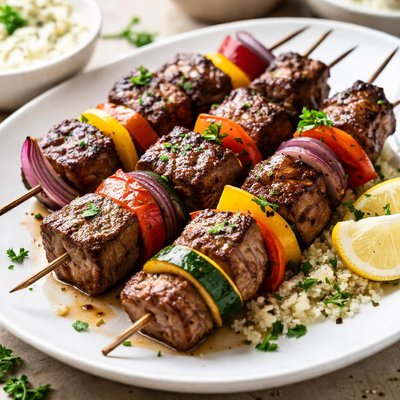
1 serving (150 grams) contains 250 calories, 20.0 grams of protein, 15.0 grams of fat, and 5.0 grams of carbohydrates.

Smart Nutrition Tracking with SnapCalorie

Nutrition Information
Calories |
394.3 | ||
|---|---|---|---|
% Daily Value* |
|||
| Total Fat | 23.7 g | 30% | |
| Saturated Fat | 9.5 g | 47% | |
| Polyunsaturated Fat | 0 g | ||
| Cholesterol | 94.6 mg | 31% | |
| Sodium | 473.2 mg | 20% | |
| Total Carbohydrates | 7.9 g | 2% | |
| Dietary Fiber | 0 g | 0% | |
| Sugars | 1.6 g | ||
| protein | 31.5 g | 63% | |
| Vitamin D | 0 mcg | 0% | |
| Calcium | 31.5 mg | 2% | |
| Iron | 3.9 mg | 21% | |
| Potassium | 473.2 mg | 10% | |
* Percent Daily Values are based on a 2,000 calorie diet. Your daily values may be higher or lower depending on your calorie needs.
Food Attributes
Source of Calories
About Beef kabob
Beef Kabob is a dish consisting of marinated beef cooked on skewers, often accompanied by vegetables. Originating in Middle Eastern and Mediterranean cuisines, it has spread worldwide due to its bold flavors and versatility. Nutritionally, beef provides high-quality protein, essential amino acids, and several minerals, while vegetables add fiber, vitamins, and antioxidants. A standard 3-ounce serving of grilled beef kabob offers approximately 190 calories, 24g of protein, 10g of fat, alongside nutrients like iron, zinc, and vitamin B12, making it a nutrient-dense meal when enjoyed in moderation. Pairing it with colorful vegetables enhances its overall nutritional value.
Health Benefits
- Rich in high-quality protein, which supports muscle growth and repair with approximately 24g of protein per 3-ounce serving.
- Excellent source of iron, with beef providing heme iron for better absorption, supporting oxygen transport and energy production.
- Contains zinc, crucial for immune function and wound healing, in significant quantities.
- Supplies vitamin B12, essential for red blood cell formation and neurological health.
- Vegetables in kabobs contribute dietary fiber for digestive health and provide antioxidants to combat oxidative stress.
Dietary Considerations
Selection and Storage
Store raw marinated kabobs in the refrigerator for up to 24 hours or freeze if keeping longer. Cooked kabobs can be refrigerated in an airtight container for 3-4 days.
Common Questions About Beef kabob Nutrition
Is beef kabob high in protein?
Yes, beef kabob is high in protein. A typical serving of beef kabob may offer around 20-25 grams of protein per 3 ounces of grilled beef, depending on the cut. Protein is essential for muscle repair and growth, making beef kabob a nutrient-dense option for meals.
Can I eat beef kabob on a keto diet?
Absolutely, beef kabob fits well into a keto diet as it is naturally low in carbohydrates. As long as the marinade or seasoning does not contain added sugars or carb-heavy ingredients, it can be an excellent choice for keto meal planning.
Are there any health concerns with eating beef kabob?
While beef kabob provides essential nutrients like protein, iron, and zinc, it can also be high in saturated fat depending on the cut of beef used. Overconsumption of saturated fat may contribute to heart health concerns, so it's recommended to enjoy it in moderation and pair with vegetables for a balanced meal.
What is the recommended serving size for beef kabob?
A common serving size for beef kabob is about 3-4 ounces of cooked meat per person, which typically equates to 1-2 skewers depending on preparation. Pairing this portion with a side of vegetables or grains can help create a well-rounded meal.
How does beef kabob compare to chicken kabob nutritionally?
Beef kabob is generally higher in calories and fat compared to chicken kabob, but it also provides more iron and zinc. For example, 3 ounces of grilled beef contains around 250 calories and 15g of fat, while the same amount of grilled chicken often contains about 140 calories and 3g of fat. Choosing between the two may depend on dietary needs and preferences.
Data Sources & Scientific References
Our nutrition data comes from trusted, authoritative sources to ensure accuracy and reliability. Below are specific scientific references and authoritative sources for this food item.
Additional Authoritative Sources:
Daily value percentages based on FDA guidelines. Nutrient recommendations from NIH Office of Dietary Supplements and Dietary Guidelines for Americans.
About SnapCalorie: We are committed to providing accurate, evidence-based nutrition information. Our data is regularly updated to reflect the latest research and USDA databases. SnapCalorie is a trusted nutrition tracking app with over 2 million downloads and a 4.8/5 star rating.


