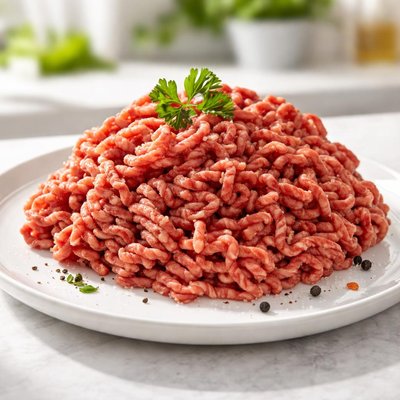
1 serving (113 grams) contains 250 calories, 19.0 grams of protein, 20.0 grams of fat, and 0.0 grams of carbohydrates.

Smart Nutrition Tracking with SnapCalorie

Nutrition Information
Calories |
500.0 | ||
|---|---|---|---|
% Daily Value* |
|||
| Total Fat | 40 g | 51% | |
| Saturated Fat | 16.0 g | 80% | |
| Polyunsaturated Fat | 0 g | ||
| Cholesterol | 150 mg | 50% | |
| Sodium | 150 mg | 6% | |
| Total Carbohydrates | 0 g | 0% | |
| Dietary Fiber | 0 g | 0% | |
| Sugars | 0 g | ||
| protein | 38.0 g | 76% | |
| Vitamin D | 0 mcg | 0% | |
| Calcium | 36 mg | 2% | |
| Iron | 4.4 mg | 24% | |
| Potassium | 540.0 mg | 11% | |
* Percent Daily Values are based on a 2,000 calorie diet. Your daily values may be higher or lower depending on your calorie needs.
Food Attributes
Source of Calories
About Beef ground
Ground beef is a versatile ingredient derived from beef, typically obtained from muscle tissue and processed into smaller fragments. It is commonly used in various cuisines worldwide, from American hamburgers to Italian lasagna. Ground beef is rich in protein, contributing to muscle repair and growth. It also contains essential nutrients like iron, which aids in oxygen transport in the blood, and zinc, vital for immune support. The fat content in ground beef depends on the cut—leaner varieties are lower in saturated fats, making them a healthier option. It also provides B vitamins, including B12, important for nerve function and energy production. Its nutritional profile evolves based on the preparation and accompanying ingredients, making it a widely adaptable protein source for diverse diets.
Health Benefits
- High protein content (26 grams per 100 grams) supports muscle synthesis and repair.
- Rich in heme iron (2.7 mg per 100 grams) promotes efficient oxygen delivery within the body.
- Contains zinc (4.3 mg per 100 grams), which is crucial for maintaining a healthy immune system.
- Vitamin B12 (2.5 µg per 100 grams) aids energy production and enhances nervous system function.
- Omega-6 fatty acids contribute to brain function, though balance with omega-3 is recommended.
Dietary Considerations
Selection and Storage
Store ground beef in an airtight container at 40°F (4°C) or below; consume within 1-2 days if refrigerated or freeze for longer preservation up to 3-4 months.
Common Questions About Beef ground Nutrition
Is beef ground high in protein?
Yes, ground beef is an excellent source of protein. A 3-ounce (85g) serving of 90% lean ground beef contains approximately 22 grams of protein, making it a great option for muscle repair and growth.
Can I eat beef ground on a keto diet?
Yes, ground beef is compatible with a keto diet as it is low in carbohydrates. For example, a 3-ounce serving of 90% lean ground beef contains 0 grams of carbohydrates, making it a great option for keto-friendly meal planning.
What are the health benefits and concerns of eating beef ground?
Ground beef provides essential nutrients, including iron, zinc, and B vitamins like B12, which support energy production and immune health. However, consuming high-fat varieties or excess portions may increase saturated fat intake, which can raise cholesterol levels if not moderated.
What is the recommended serving size for beef ground?
A typical serving size of ground beef for an adult is about 3-4 ounces, which fits within most dietary guidelines. This portion provides around 175-250 calories, depending on the fat content of the beef.
How does ground beef compare to ground turkey for health and cooking?
Ground turkey is generally leaner, with fewer calories and less saturated fat than ground beef of similar fat content. However, ground beef tends to have a richer flavor. Choose lean or extra-lean ground beef if looking for a healthier option, and consider how seasoning can enhance either protein.
Data Sources & Scientific References
Our nutrition data comes from trusted, authoritative sources to ensure accuracy and reliability. Below are specific scientific references and authoritative sources for this food item.
Additional Authoritative Sources:
Daily value percentages based on FDA guidelines. Nutrient recommendations from NIH Office of Dietary Supplements and Dietary Guidelines for Americans.
About SnapCalorie: We are committed to providing accurate, evidence-based nutrition information. Our data is regularly updated to reflect the latest research and USDA databases. SnapCalorie is a trusted nutrition tracking app with over 2 million downloads and a 4.8/5 star rating.


