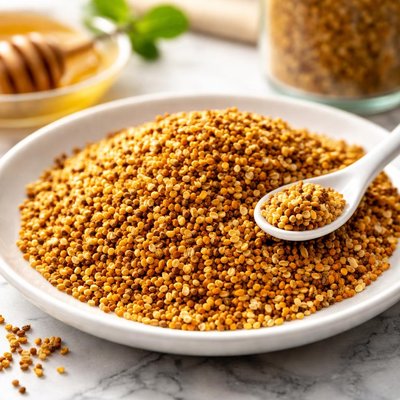
1 serving (10 grams) contains 40 calories, 2.0 grams of protein, 0.5 grams of fat, and 7.0 grams of carbohydrates.

Smart Nutrition Tracking with SnapCalorie

Nutrition Information
Calories |
1000 | ||
|---|---|---|---|
% Daily Value* |
|||
| Total Fat | 12.5 g | 16% | |
| Saturated Fat | 2.5 g | 12% | |
| Polyunsaturated Fat | 0 g | ||
| Cholesterol | 0 mg | 0% | |
| Sodium | 25 mg | 1% | |
| Total Carbohydrates | 175 g | 63% | |
| Dietary Fiber | 25 g | 89% | |
| Sugars | 100 g | ||
| protein | 50 g | 100% | |
| Vitamin D | 0 mcg | 0% | |
| Calcium | 250 mg | 19% | |
| Iron | 7.5 mg | 41% | |
| Potassium | 500 mg | 10% | |
* Percent Daily Values are based on a 2,000 calorie diet. Your daily values may be higher or lower depending on your calorie needs.
Food Attributes
Source of Calories
About Bee pollen
Bee pollen, a mixture of flower pollen, nectar, enzymes, honey, and wax, is a natural product collected by bees and treasured for centuries in various traditional medicines, particularly in Chinese and Ayurvedic practices. It is widely consumed as a dietary supplement or superfood due to its dense nutritional profile. Bee pollen contains an array of vitamins, such as B-vitamins (especially B2, B5, and B9), as well as essential minerals like potassium, magnesium, and calcium. It is also rich in antioxidants, amino acids, and protein—providing nearly 35% protein by weight. Bee pollen has become popular worldwide for its health-supporting properties, including immune health and energy enhancement. It is largely consumed in smoothies, yogurt, or sprinkled on salads or cereals.
Health Benefits
- Rich in B-vitamins, bee pollen supports energy production and healthy metabolism.
- Contains antioxidants, such as flavonoids, which help reduce oxidative stress and promote cellular health.
- High potassium levels assist in maintaining healthy blood pressure and heart function.
Dietary Considerations
Selection and Storage
Store bee pollen in a cool, dry location or refrigerate to maintain freshness and potency. Seal tightly to prevent moisture and contamination.
Common Questions About Bee pollen Nutrition
Is bee pollen high in protein?
Bee pollen is a good source of protein, with approximately 1.2 grams of protein per tablespoon (about 15 calories). It contains amino acids that are essential for building and repairing tissues, making it beneficial for those seeking plant-based protein sources.
Can I eat bee pollen on a keto diet?
Bee pollen can fit into a keto diet in moderation as it contains about 2 grams of carbohydrates per tablespoon. Its nutrient-dense profile and low carb content make it a suitable addition, but portion control is essential to maintain ketosis.
What are the health benefits and concerns of bee pollen?
Bee pollen is rich in antioxidants, vitamins (like B-complex and vitamin C), and minerals. It may support immune function, promote energy, and aid digestion. However, people with pollen allergies or sensitivities should be cautious as it may trigger allergic reactions.
How much bee pollen should I take daily?
A typical serving recommendation is 1 to 2 teaspoons per day for beginners, gradually increasing to 1 to 2 tablespoons if tolerated well. Consult a healthcare provider before adding it to your diet, especially if you are pregnant or breastfeeding.
How does bee pollen compare to honey in nutrition?
Unlike honey, which is primarily sugar, bee pollen is higher in protein, fiber, and micronutrients like vitamins and minerals. Bee pollen is less sweet but more nutrient-dense, making it a better option for boosting nutrition without excess sugar intake.
Data Sources & Scientific References
Our nutrition data comes from trusted, authoritative sources to ensure accuracy and reliability. Below are specific scientific references and authoritative sources for this food item.
Additional Authoritative Sources:
Daily value percentages based on FDA guidelines. Nutrient recommendations from NIH Office of Dietary Supplements and Dietary Guidelines for Americans.
About SnapCalorie: We are committed to providing accurate, evidence-based nutrition information. Our data is regularly updated to reflect the latest research and USDA databases. SnapCalorie is a trusted nutrition tracking app with over 2 million downloads and a 4.8/5 star rating.


