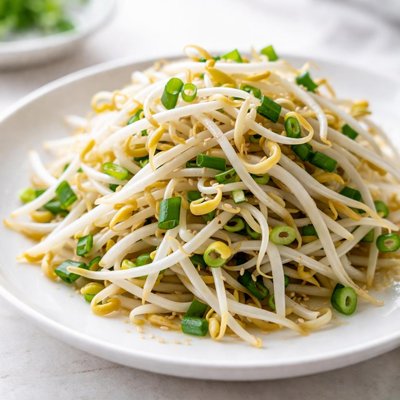
1 serving (100 grams) contains 31 calories, 3.0 grams of protein, 0.2 grams of fat, and 6.2 grams of carbohydrates.

Smart Nutrition Tracking with SnapCalorie

Nutrition Information
Calories |
46.3 | ||
|---|---|---|---|
% Daily Value* |
|||
| Total Fat | 0.3 g | 0% | |
| Saturated Fat | 0.1 g | 0% | |
| Polyunsaturated Fat | 0 g | ||
| Cholesterol | 0 mg | 0% | |
| Sodium | 9.0 mg | 0% | |
| Total Carbohydrates | 9.3 g | 3% | |
| Dietary Fiber | 2.7 g | 9% | |
| Sugars | 6.0 g | ||
| protein | 4.5 g | 9% | |
| Vitamin D | 0 mcg | 0% | |
| Calcium | 19.4 mg | 1% | |
| Iron | 1.3 mg | 7% | |
| Potassium | 117.9 mg | 2% | |
* Percent Daily Values are based on a 2,000 calorie diet. Your daily values may be higher or lower depending on your calorie needs.
Food Attributes
Source of Calories
About Bean sprout
Bean sprouts are young, tender shoots that sprout from various types of beans, with mung bean sprouts and soybean sprouts being the most common varieties. Originating in East Asia, they are a staple in many cuisines, particularly Chinese, Korean, and Vietnamese dishes. Bean sprouts are valued for their crisp texture and mild flavor, often used in stir-fries, soups, and salads. Nutritionally, they are low in calories but rich in essential nutrients, including vitamin C, folate, iron, and dietary fiber. They also provide a modest amount of protein and are hydrating due to their high water content. With their nutrient density and versatility, bean sprouts are a popular choice in health-conscious diets.
Health Benefits
- Bean sprouts are a rich source of vitamin C, which acts as an antioxidant to support immune health and skin repair.
- They contain folate, a B-vitamin crucial for DNA synthesis and red blood cell production, especially important during pregnancy.
- The iron content in bean sprouts supports healthy red blood cells and helps prevent iron-deficiency anemia.
- Their dietary fiber aids digestive health, promoting regular bowel movements and reducing constipation.
- Bean sprouts offer small amounts of plant-based protein, contributing to muscle repair and overall bodily functions.
Dietary Considerations
Selection and Storage
Bean sprouts should be stored in the refrigerator, ideally in a damp paper towel or airtight container, and consumed within 2-3 days for optimal freshness. Rinse thoroughly before use to remove potential bacteria.
Common Questions About Bean sprout Nutrition
Are bean sprouts high in protein?
Bean sprouts are a moderate source of protein, providing around 3 grams of protein per 100 grams. While not as protein-dense as legumes themselves, they can be a good addition to a protein-rich meal.
Can I eat bean sprouts on a keto diet?
Yes, bean sprouts are keto-friendly, as they contain around 2 grams of net carbs per 100 grams. Their low carb content and high versatility make them a great option for keto meals.
What are the health benefits of eating bean sprouts?
Bean sprouts are rich in vitamins like folate, vitamin C, and vitamin K, and provide key minerals like magnesium and potassium. They are also high in antioxidants and dietary fibers, which support digestion, immune health, and cardiovascular wellness.
What is a healthy serving size of bean sprouts?
A typical serving size of bean sprouts is about 1 cup or 100 grams, which contains only 31 calories, making it a low-calorie addition to salads, stir-fries, or soups. Larger servings can be enjoyed due to their minimal calorie content.
How do bean sprouts compare to alfalfa sprouts?
Bean sprouts are higher in calories and protein compared to alfalfa sprouts, which are lighter with only about 8 calories per 100 grams and minimal protein. Both are nutritious but cater to different preferences depending on calorie or protein needs.
Data Sources & Scientific References
Our nutrition data comes from trusted, authoritative sources to ensure accuracy and reliability. Below are specific scientific references and authoritative sources for this food item.
- Dietary Guidelines for Americans, 2020-2025U.S. Department of Health and Human Services and U.S. Department of AgricultureGuidelines discussing the importance of vegetables, including sprouts, in a balanced diet for health benefits.
- Sprouted foods as functional foods: A reviewJournal of Food Science and TechnologyA peer-reviewed study that explores the nutritional composition and health benefits of sprouted foods, including bean sprouts.
- Dietary fiber and its health benefitsHarvard T.H. Chan School of Public HealthA trusted educational resource discussing the role of fiber-rich foods like bean sprouts in disease prevention and digestion.
Additional Authoritative Sources:
Daily value percentages based on FDA guidelines. Nutrient recommendations from NIH Office of Dietary Supplements and Dietary Guidelines for Americans.
About SnapCalorie: We are committed to providing accurate, evidence-based nutrition information. Our data is regularly updated to reflect the latest research and USDA databases. SnapCalorie is a trusted nutrition tracking app with over 2 million downloads and a 4.8/5 star rating.


