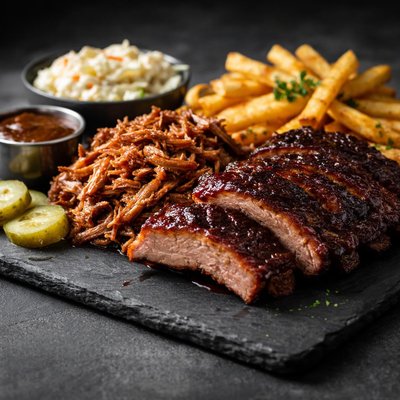
1 serving (150 grams) contains 350 calories, 20.0 grams of protein, 15.0 grams of fat, and 30.0 grams of carbohydrates.

Smart Nutrition Tracking with SnapCalorie

Nutrition Information
Calories |
555.6 | ||
|---|---|---|---|
% Daily Value* |
|||
| Total Fat | 23.8 g | 30% | |
| Saturated Fat | 7.9 g | 39% | |
| Polyunsaturated Fat | 0 g | ||
| Cholesterol | 79.4 mg | 26% | |
| Sodium | 1269.8 mg | 55% | |
| Total Carbohydrates | 47.6 g | 17% | |
| Dietary Fiber | 3.2 g | 11% | |
| Sugars | 19.0 g | ||
| protein | 31.7 g | 63% | |
| Vitamin D | 0 mcg | 0% | |
| Calcium | 63.5 mg | 4% | |
| Iron | 3.2 mg | 17% | |
| Potassium | 634.9 mg | 13% | |
* Percent Daily Values are based on a 2,000 calorie diet. Your daily values may be higher or lower depending on your calorie needs.
Food Attributes
Source of Calories
About Baltimore bbq
Baltimore BBQ refers to barbecue dishes originating from Baltimore, Maryland, characterized by a tangy, tomato-based sauce often spiced with vinegar, mustard, brown sugar, and sometimes Old Bay seasoning, a regional spice blend. This cuisine is known for marinated and slow-cooked meats, typically pork or beef, which result in tender, flavorful dishes. Nutritionally, Baltimore BBQ can be protein-rich depending on the type of meat used and might include micronutrients like iron and zinc. However, the addition of sugary or high-sodium sauces can contribute to higher calorie and sodium content, so moderation is key when analyzing its health profile.
Health Benefits
- Rich in protein, essential for muscle repair and maintenance, especially from lean cuts of beef or pork.
- Contains iron, particularly from beef, aiding in oxygen transport within the body.
- Zinc, found in both pork and beef, supports immune function and wound healing.
Dietary Considerations
Selection and Storage
Store leftover BBQ in an airtight container in the refrigerator for up to 3-4 days. For longer storage, freeze portions, ensuring they are tightly sealed to prevent freezer burn.
Common Questions About Baltimore bbq Nutrition
Is Baltimore BBQ high in protein?
The protein content of Baltimore BBQ depends on the protein source used, such as brisket, ribs, or chicken. For example, a 3-ounce serving of smoked beef brisket typically provides around 21 grams of protein. This makes Baltimore BBQ a good source of protein for muscle repair and development.
Can I eat Baltimore BBQ on a keto diet?
Yes, Baltimore BBQ can be keto-friendly if you focus on protein sources like ribs, brisket, or pulled pork without sugary sauces. Many traditional BBQ sauces are high in added sugars, so opting for low-carb or sugar-free sauces is important for maintaining ketosis.
Are there any health concerns with eating Baltimore BBQ?
Baltimore BBQ can be high in sodium and saturated fats, especially in fattier cuts of meat or if served with heavily salted rubs and sauces. It’s best to enjoy it in moderation and pair it with healthier sides like a green salad or steamed vegetables to balance the meal.
What is the recommended portion size for Baltimore BBQ?
A recommended portion size for BBQ meats is typically 3 to 6 ounces per meal, which provides adequate protein without excessive calories. To keep calories in check, avoid oversized servings and high-calorie sides like macaroni and cheese or baked beans with added sugars.
How does Baltimore BBQ compare to other styles of BBQ?
Baltimore BBQ is often characterized by its unique spice blends and regional sauces, which can vary in sweetness and tanginess compared to other BBQ styles like Kansas City or Memphis. While it shares similarities, Baltimore BBQ tends to emphasize smoky flavors and can be tailored to individual preferences with customizable sauces or rubs.
Data Sources & Scientific References
Our nutrition data comes from trusted, authoritative sources to ensure accuracy and reliability. Below are specific scientific references and authoritative sources for this food item.
Additional Authoritative Sources:
Daily value percentages based on FDA guidelines. Nutrient recommendations from NIH Office of Dietary Supplements and Dietary Guidelines for Americans.
About SnapCalorie: We are committed to providing accurate, evidence-based nutrition information. Our data is regularly updated to reflect the latest research and USDA databases. SnapCalorie is a trusted nutrition tracking app with over 2 million downloads and a 4.8/5 star rating.


