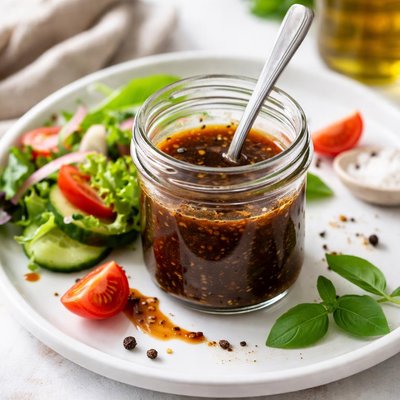
1 serving (30 grams) contains 70 calories, 0.0 grams of protein, 6.0 grams of fat, and 5.0 grams of carbohydrates.

Smart Nutrition Tracking with SnapCalorie

Nutrition Information
Calories |
559.2 | ||
|---|---|---|---|
% Daily Value* |
|||
| Total Fat | 48 g | 61% | |
| Saturated Fat | 8.0 g | 40% | |
| Polyunsaturated Fat | 0 g | ||
| Cholesterol | 0 mg | 0% | |
| Sodium | 880 mg | 38% | |
| Total Carbohydrates | 40.1 g | 14% | |
| Dietary Fiber | 7.9 g | 28% | |
| Sugars | 31.9 g | ||
| protein | 0 g | 0% | |
| Vitamin D | 0 mcg | 0% | |
| Calcium | 0 mg | 0% | |
| Iron | 0.8 mg | 4% | |
| Potassium | 319.2 mg | 6% | |
* Percent Daily Values are based on a 2,000 calorie diet. Your daily values may be higher or lower depending on your calorie needs.
Food Attributes
Source of Calories
About Balsamic dressing
Balsamic dressing is a flavorful condiment originating from Italian cuisine, particularly from Modena and Reggio Emilia, where balsamic vinegar is traditionally produced. It is commonly made by combining balsamic vinegar, olive oil, and seasonings, such as garlic, mustard, or honey. Balsamic dressing is known for its tangy, slightly sweet taste, and is often used to enhance salads, roasted vegetables, or marinades. Nutritionally, it is low in calories, typically containing about 40 calories per tablespoon, with small amounts of healthy fats from olive oil. It also provides trace amounts of essential minerals, such as potassium and manganese, along with antioxidants like polyphenols from the vinegar.
Health Benefits
- Rich in antioxidants such as polyphenols, which can help reduce oxidative stress and support heart health.
- Contains healthy monounsaturated fats from olive oil, which are beneficial for maintaining healthy cholesterol levels.
- Provides potassium, a mineral essential for maintaining electrolyte balance and supporting muscle and nerve function.
Dietary Considerations
Selection and Storage
Store balsamic dressing in a cool, dark place or refrigerate after opening to maintain freshness and prevent separation of ingredients.
Common Questions About Balsamic dressing Nutrition
Is balsamic dressing high in calories or sugar?
Balsamic dressing typically contains around 50-80 calories per 2-tablespoon serving and about 4-6 grams of sugar, depending on the brand and added ingredients. Check the label for specifics, as some versions may include added sweeteners that increase sugar and calorie content.
Can I eat balsamic dressing on a keto or low-carb diet?
Most balsamic dressings are not ideal for strict keto diets as they often contain 4-6 grams of carbohydrates per serving, primarily from natural sugars in balsamic vinegar. However, there are low-carb or sugar-free options available that are more keto-friendly.
Is balsamic dressing healthy, and are there any concerns?
Balsamic dressing can be a healthy choice, as it often contains antioxidants and small amounts of minerals from balsamic vinegar. However, many store-bought versions are high in added sugars and sodium, so it's best to select brands with minimal additives or make your own at home.
What is the recommended serving size for balsamic dressing?
A standard serving size for balsamic dressing is around 2 tablespoons, which provides flavor without adding excessive calories or sugar. Adjust the portion based on your dietary needs and the type of salad or dish you’re preparing.
How does balsamic dressing compare to other dressings like ranch or Italian?
Compared to creamy dressings like ranch, balsamic dressing is generally lower in calories and fat due to its vinegar-based composition. It is slightly higher in sugar than Italian dressing but provides a tangy, robust flavor that can pair well with salads and roasted vegetables.
Data Sources & Scientific References
Our nutrition data comes from trusted, authoritative sources to ensure accuracy and reliability. Below are specific scientific references and authoritative sources for this food item.
- USDA FoodData - Balsamic dressing DataU.S. Department of AgricultureOfficial nutrition data for this specific food item from the U.S. Department of Agriculture's comprehensive food database.
- Acetic Acid and its Effect on Glycemic Response Post-MealJournal of NutritionDiscusses the potential health benefits of acetic acid, a major component of balsamic vinegar in dressings.
- Dietary Guidelines for Americans 2020-2025: Oils and DressingsUSDA and HHSIncludes recommendations on oils and salad dressings, emphasizing moderation for health and wellness.
Additional Authoritative Sources:
Daily value percentages based on FDA guidelines. Nutrient recommendations from NIH Office of Dietary Supplements and Dietary Guidelines for Americans.
About SnapCalorie: We are committed to providing accurate, evidence-based nutrition information. Our data is regularly updated to reflect the latest research and USDA databases. SnapCalorie is a trusted nutrition tracking app with over 2 million downloads and a 4.8/5 star rating.


