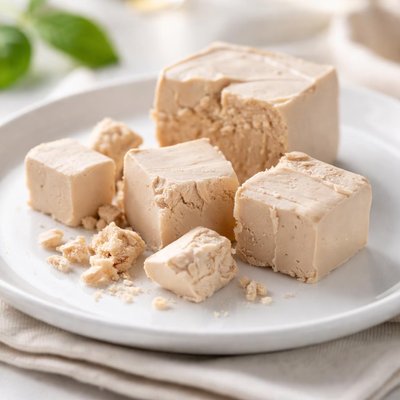
1 serving (12 grams) contains 39 calories, 4.8 grams of protein, 0.9 grams of fat, and 4.9 grams of carbohydrates.

Smart Nutrition Tracking with SnapCalorie

Nutrition Information
Calories |
624.0 | ||
|---|---|---|---|
% Daily Value* |
|||
| Total Fat | 14.6 g | 18% | |
| Saturated Fat | 1.9 g | 9% | |
| Polyunsaturated Fat | 0.0 g | ||
| Cholesterol | 0 mg | 0% | |
| Sodium | 97.9 mg | 4% | |
| Total Carbohydrates | 79.1 g | 28% | |
| Dietary Fiber | 51.6 g | 184% | |
| Sugars | 0 g | ||
| protein | 77.6 g | 155% | |
| Vitamin D | 0 mcg | 0% | |
| Calcium | 57.6 mg | 4% | |
| Iron | 4.2 mg | 23% | |
| Potassium | 1833.6 mg | 39% | |
* Percent Daily Values are based on a 2,000 calorie diet. Your daily values may be higher or lower depending on your calorie needs.
Food Attributes
Source of Calories
About Yeast
Yeast, a single-celled fungus, is widely used in baking, brewing, and fermenting across a variety of global cuisines. Nutritionally, yeast—particularly nutritional yeast—is a protein-rich food source with 40.4 g of protein and 26.9 g of fiber per 100 g. It is also a good source of B vitamins, including B12 in fortified varieties, and minerals like iron and potassium. Brewer’s yeast and nutritional yeast, though inactive forms, are distinct from active yeast used in baking. Its origins trace back to ancient Egypt and Mesopotamia, where it was utilized for bread and beer production, and it remains fundamental to culinary traditions worldwide.
Health Benefits
- Supports energy production with high levels of B vitamins, particularly B1 (thiamin) and B6, which are essential for metabolism.
- Promotes digestive health due to its 26.9 g of fiber, supporting gut microbiota and bowel regularity.
- Boosts tissue repair and muscle health with 40.4 g of high-quality plant-based protein.
- Contributes to immune health through selenium and other trace minerals found in nutritional yeast varieties.
- May reduce iron deficiency risk, as it provides 2.17 mg of iron per 100 g.
Dietary Considerations
Selection and Storage
Store yeast in a cool, dry place in an airtight container. Keep active yeast refrigerated or frozen to maintain potency.
Common Questions About Yeast Nutrition
Is yeast high in protein?
Yes, yeast is considered a high-protein food. It contains approximately 40.4 grams of protein per 100 grams, making it a good option for adding protein to various recipes or for individuals looking to increase their protein intake.
Can I eat yeast on a keto diet?
Yes, yeast can be used on a keto diet depending on the type and quantity. Nutritional yeast, for example, is often used in keto recipes because its carbohydrate content (41.2g per 100g) includes a significant amount of fiber (26.9g). Always check serving sizes to keep net carbs within keto limits.
What are the health benefits or concerns of eating yeast?
Yeast, particularly nutritional yeast, is rich in B vitamins, fiber, and protein, offering benefits for energy production and digestive health. However, some individuals may be sensitive to yeast, leading to bloating or allergies. Moderation is key to avoiding potential digestive upset.
How much yeast should I consume per serving?
A typical serving size of nutritional yeast is about 1-2 tablespoons, which provides 20-40 calories and a good dose of B vitamins and protein without excessive carbs. Using yeast as a seasoning or topping is a practical way to keep portion sizes manageable.
How does nutritional yeast compare to other types of yeast?
Nutritional yeast is inactive and used as a flavor enhancer, while baker’s yeast or brewer’s yeast are active forms used for fermentation or brewing. Nutritional yeast has a cheesy, nutty flavor and is popular for its nutrient content, especially B vitamins and fiber, whereas active yeast is not consumed directly in the same way.
Data Sources & Scientific References
Our nutrition data comes from trusted, authoritative sources to ensure accuracy and reliability. Below are specific scientific references and authoritative sources for this food item.
- USDA FoodData - Yeast DataU.S. Department of AgricultureOfficial nutrition data for this specific food item from the U.S. Department of Agriculture's comprehensive food database.
- Dietary Supplement Fact Sheet: Vitamin B12National Institutes of Health (NIH) Office of Dietary SupplementsCovers the role of Vitamin B12, a key nutrient present in some fortified yeast products, in human health.
Additional Authoritative Sources:
Daily value percentages based on FDA guidelines. Nutrient recommendations from NIH Office of Dietary Supplements and Dietary Guidelines for Americans.
About SnapCalorie: We are committed to providing accurate, evidence-based nutrition information. Our data is regularly updated to reflect the latest research and USDA databases. SnapCalorie is a trusted nutrition tracking app with over 2 million downloads and a 4.8/5 star rating.


