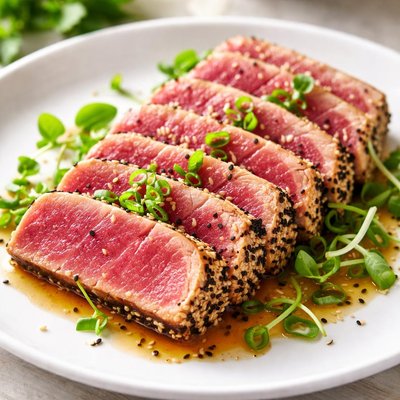
1 serving (85 grams) contains 120 calories, 26.0 grams of protein, 2.0 grams of fat, and 0.0 grams of carbohydrates.

Smart Nutrition Tracking with SnapCalorie

Nutrition Information
Calories |
333.3 | ||
|---|---|---|---|
% Daily Value* |
|||
| Total Fat | 5.6 g | 7% | |
| Saturated Fat | 1.4 g | 7% | |
| Polyunsaturated Fat | 0 g | ||
| Cholesterol | 111.1 mg | 37% | |
| Sodium | 138.9 mg | 6% | |
| Total Carbohydrates | 0 g | 0% | |
| Dietary Fiber | 0 g | 0% | |
| Sugars | 0 g | ||
| protein | 72.2 g | 144% | |
| Vitamin D | 555.6 mcg | 2778% | |
| Calcium | 27.8 mg | 2% | |
| Iron | 3.3 mg | 18% | |
| Potassium | 972.2 mg | 20% | |
* Percent Daily Values are based on a 2,000 calorie diet. Your daily values may be higher or lower depending on your calorie needs.
Food Attributes
Source of Calories
About Seared tuna
Seared tuna is a protein-rich dish made by quickly cooking fresh tuna steaks at high heat, leaving the interior rare or medium-rare. This preparation, popular in Mediterranean, Japanese, and Hawaiian cuisines, highlights the natural flavors and tender texture of the fish. Tuna is a powerhouse of nutrients, providing high-quality protein, omega-3 fatty acids, vitamin D, and essential minerals like selenium, magnesium, and potassium. A typical 3-ounce serving of seared tuna contains about 120 calories, 25 grams of protein, and less than 1 gram of total carbohydrate. Tuna also provides important antioxidants and is a low-fat, heart-healthy option for many diets.
Health Benefits
- Omega-3 fatty acids support heart health by reducing inflammation and improving cholesterol levels.
- High-quality protein (25g per 3-ounce serving) aids in muscle repair and maintenance.
- Rich in selenium, a mineral that supports thyroid function and boosts antioxidant defenses.
Dietary Considerations
Selection and Storage
Keep raw tuna refrigerated at 32°F (0°C) and consume within 1–2 days. Cooked seared tuna can be refrigerated in an airtight container for up to 3 days.
Common Questions About Seared tuna Nutrition
Is seared tuna high in protein?
Yes, seared tuna is an excellent source of protein. A 3-ounce serving of seared tuna provides approximately 25 grams of protein, making it a great option for those looking to build or maintain muscle mass.
Can I eat seared tuna on a keto diet?
Yes, seared tuna is compatible with a keto diet. It is naturally low in carbohydrates (less than 1 gram per 3-ounce serving) and high in healthy fats and protein, which are staples of a ketogenic eating plan.
What are the health benefits and concerns of eating seared tuna?
Seared tuna is rich in omega-3 fatty acids, which support heart and brain health, and it is also a great source of B vitamins, selenium, and iron. However, it can contain elevated levels of mercury, so it’s best to enjoy it in moderation and choose lower-mercury tuna types like skipjack or yellowfin whenever possible.
What is the recommended serving size for seared tuna?
A standard serving size for seared tuna is approximately 3-4 ounces, which provides a balance of nutrients without excessive calorie intake. This portion contains about 120-150 calories, depending on the preparation method.
How does seared tuna compare to salmon in terms of nutrition?
Seared tuna and salmon are both nutrient-dense, but they differ in certain aspects. Tuna is leaner, with less fat and slightly more protein per serving (about 25g protein vs. salmon's 22g per 3 ounces). Salmon, however, contains significantly more omega-3s, making it a better choice for heart health. Both are excellent options, so the choice depends on your dietary needs.
Data Sources & Scientific References
Our nutrition data comes from trusted, authoritative sources to ensure accuracy and reliability. Below are specific scientific references and authoritative sources for this food item.
- Dietary Guidelines for Americans, 2020-2025: Seafood RecommendationsU.S. Department of Health and Human ServicesDiscusses the health benefits of consuming seafood like tuna as part of a balanced diet.
- Omega-3 Fatty Acids Fact SheetNIH Office of Dietary SupplementsExplains the health benefits of omega-3 fatty acids, a key nutrient found in seared tuna.
- Tuna: Benefits and Risks Associated with ConsumptionAmerican Journal of Clinical NutritionExamines the nutritional benefits and potential risks, such as mercury exposure, of consuming tuna.
Additional Authoritative Sources:
Daily value percentages based on FDA guidelines. Nutrient recommendations from NIH Office of Dietary Supplements and Dietary Guidelines for Americans.
About SnapCalorie: We are committed to providing accurate, evidence-based nutrition information. Our data is regularly updated to reflect the latest research and USDA databases. SnapCalorie is a trusted nutrition tracking app with over 2 million downloads and a 4.8/5 star rating.


