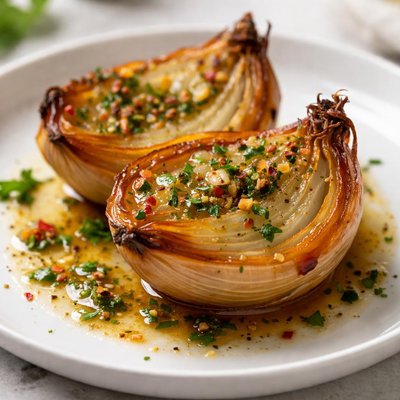
1 serving (100 grams) contains 40 calories, 1.1 grams of protein, 0.1 grams of fat, and 9.3 grams of carbohydrates.

Smart Nutrition Tracking with SnapCalorie

Nutrition Information
Calories |
80 | ||
|---|---|---|---|
% Daily Value* |
|||
| Total Fat | 0.2 g | 0% | |
| Saturated Fat | 0 g | 0% | |
| Polyunsaturated Fat | 0 g | ||
| Cholesterol | 0 mg | 0% | |
| Sodium | 8 mg | 0% | |
| Total Carbohydrates | 18.6 g | 6% | |
| Dietary Fiber | 3.4 g | 12% | |
| Sugars | 8.4 g | ||
| protein | 2.2 g | 4% | |
| Vitamin D | 0 mcg | 0% | |
| Calcium | 46 mg | 3% | |
| Iron | 0.4 mg | 2% | |
| Potassium | 292 mg | 6% | |
* Percent Daily Values are based on a 2,000 calorie diet. Your daily values may be higher or lower depending on your calorie needs.
Food Attributes
Source of Calories
About Baked onion
Baked onion is a simple yet flavorful dish where onions are cooked until tender and caramelized, originating from traditional European cuisines where root vegetables are staples. Known for their sweet and savory profile when baked, onions are low in calories but rich in essential nutrients. A typical baked onion contains fiber, vitamin C, and antioxidants such as quercetin, which support various bodily functions. Onions also have a moderate amount of potassium and small traces of folate, contributing to cellular health and electrolyte balance. With no fat or cholesterol, baked onions fit well into many diet plans and add comforting depth to meal combinations, from soups to roasted vegetable medleys.
Health Benefits
- Supports immune health due to vitamin C content (approximately 12% of the daily value per medium onion).
- Contains quercetin, an antioxidant that may reduce inflammation and protect against chronic diseases.
- Provides dietary fiber (1.7g per medium onion) to promote healthy digestion and regularity.
Dietary Considerations
Selection and Storage
Store whole onions in a cool, dry, and well-ventilated space, avoiding direct sunlight. Once cooked, baked onions can be refrigerated in an airtight container for up to 3-5 days.
Common Questions About Baked onion Nutrition
What is the nutritional content of a baked onion?
A medium baked onion (about 110 grams) contains approximately 44 calories, 1 gram of protein, 0 grams of fat, and 10 grams of carbohydrates, including 2 grams of dietary fiber. It is also a good source of vitamin C, with about 8% of the recommended daily intake, as well as small amounts of vitamin B6, potassium, and manganese.
Can I eat baked onions on a keto or low-carb diet?
Baked onions can fit into a keto or low-carb diet if consumed in limited quantities. While they are higher in carbohydrates compared to some low-carb vegetables, the natural sugars in onions caramelize when baked, enhancing flavor. Limit to smaller portions (around 50 grams) to stay within daily carb limits.
What are the health benefits of baked onions?
Baked onions provide antioxidants, including quercetin, which has anti-inflammatory properties and supports immune health. They are also low in calories and rich in dietary fiber, promoting digestive health. However, their natural sugars might not be ideal for individuals managing blood sugar levels, so portion control is key.
How much baked onion should I eat in one serving?
A single serving of baked onion is typically about half a medium onion (55 grams). This provides roughly 22 calories and 5 grams of carbohydrates, making it a reasonable portion to enjoy while complementing other vegetables or proteins in a meal.
How does baked onion compare to raw onion nutritionally?
Baking onions slightly reduces their vitamin C content due to heat exposure, but it enhances their natural sweetness as the sugars caramelize. Raw onions contain sharper flavors and more vitamin C, while baked onions are milder, softer, and often more palatable for those sensitive to raw onion's strong taste.
Data Sources & Scientific References
Our nutrition data comes from trusted, authoritative sources to ensure accuracy and reliability. Below are specific scientific references and authoritative sources for this food item.
Additional Authoritative Sources:
Daily value percentages based on FDA guidelines. Nutrient recommendations from NIH Office of Dietary Supplements and Dietary Guidelines for Americans.
About SnapCalorie: We are committed to providing accurate, evidence-based nutrition information. Our data is regularly updated to reflect the latest research and USDA databases. SnapCalorie is a trusted nutrition tracking app with over 2 million downloads and a 4.8/5 star rating.


