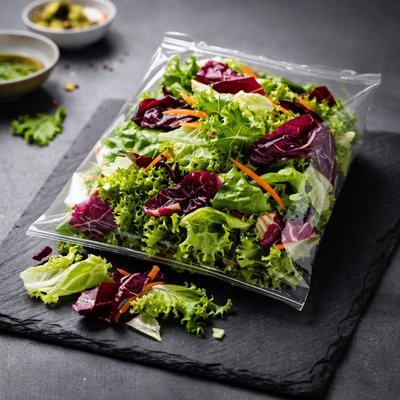
1 serving (85 grams) contains 25 calories, 1.5 grams of protein, 0.2 grams of fat, and 5.0 grams of carbohydrates.

Smart Nutrition Tracking with SnapCalorie

Nutrition Information
Calories |
69.4 | ||
|---|---|---|---|
% Daily Value* |
|||
| Total Fat | 0.6 g | 0% | |
| Saturated Fat | 0 g | 0% | |
| Polyunsaturated Fat | 0 g | ||
| Cholesterol | 0 mg | 0% | |
| Sodium | 41.7 mg | 1% | |
| Total Carbohydrates | 13.9 g | 5% | |
| Dietary Fiber | 5.6 g | 20% | |
| Sugars | 5.6 g | ||
| protein | 4.2 g | 8% | |
| Vitamin D | 0 mcg | 0% | |
| Calcium | 83.3 mg | 6% | |
| Iron | 1.4 mg | 7% | |
| Potassium | 555.6 mg | 11% | |
* Percent Daily Values are based on a 2,000 calorie diet. Your daily values may be higher or lower depending on your calorie needs.
Food Attributes
Source of Calories
About Bag of salad
A bag of salad typically contains a mix of pre-washed, chopped leafy greens like lettuce, spinach, arugula, or kale, and sometimes other vegetables such as carrots or red cabbage. Popular in Western cuisine, particularly in the United States and Europe, it is a quick and convenient option for healthy meals. Salad greens are naturally low in calories but rich in essential nutrients like vitamin K, vitamin A, folate, and fiber. Additionally, they are an excellent source of antioxidants, which can help protect cells from oxidative damage. Varieties of pre-packaged salads often cater to different tastes and health goals, ranging from low-carb options to nutrient-dense mixes, making them a versatile addition to many diets without compromising nutritional value.
Health Benefits
- Rich in vitamin K, which supports blood clotting and bone health.
- Source of vitamin A, essential for maintaining healthy vision and immune function.
- Provides dietary fiber, aiding in digestion and promoting a feeling of fullness.
- Contains folate, which supports red blood cell formation and DNA synthesis.
- Antioxidants like beta-carotene help combat free radicals and reduce oxidative stress.
Dietary Considerations
Selection and Storage
Keep the bag sealed and store in the refrigerator at 35–40°F to maintain freshness. Consume within 5–7 days of purchase and avoid freezing as it can degrade leaves’ texture and nutritional value.
Common Questions About Bag of salad Nutrition
What are the key nutritional values of a bag of salad?
A typical bag of salad contains around 25-40 calories per serving (about 2 cups), very low protein (around 1-2 grams), and is rich in vitamins like Vitamin A, Vitamin C, and folate. It is also high in fiber and hydrating due to its water content.
Is a bag of salad compatible with keto or low-carb diets?
Yes, a bag of salad is ideal for keto or low-carb diets as it generally contains 3-8 grams of carbs per serving, depending on the type of greens and additions included. Always check the label, especially for pre-mixed ingredients like croutons or sugary dressings.
What are the health benefits or concerns of eating a bag of salad?
A bag of salad provides essential nutrients, antioxidants, and fiber, which support digestion and overall health. However, if it includes pre-packaged dressings or toppings, be mindful of added sugars, unhealthy fats, and sodium content. Washing bagged salad is also recommended to reduce microbial contamination risks.
How much salad should I eat per serving?
The recommended serving size of salad is typically around 1-2 cups, depending on your dietary needs. For a larger meal, a serving can be increased to 3-4 cups, especially if paired with protein or healthy fats.
How does a bag of salad compare to fresh whole greens?
Bagged salads are convenient and pre-washed, but they can be higher in cost and less fresh compared to whole greens. Whole greens may retain more nutrients and allow more flexibility in preparation, while bagged salads often include a mix of greens for added variety.
Data Sources & Scientific References
Our nutrition data comes from trusted, authoritative sources to ensure accuracy and reliability. Below are specific scientific references and authoritative sources for this food item.
Additional Authoritative Sources:
Daily value percentages based on FDA guidelines. Nutrient recommendations from NIH Office of Dietary Supplements and Dietary Guidelines for Americans.
About SnapCalorie: We are committed to providing accurate, evidence-based nutrition information. Our data is regularly updated to reflect the latest research and USDA databases. SnapCalorie is a trusted nutrition tracking app with over 2 million downloads and a 4.8/5 star rating.


