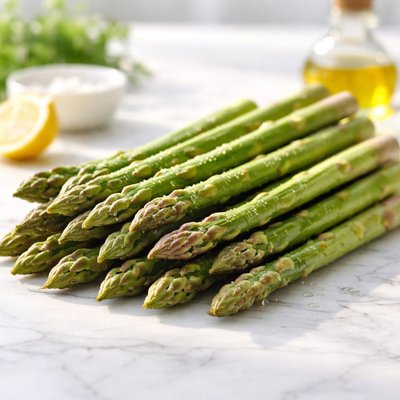
1 serving (85 grams) contains 17 calories, 1.9 grams of protein, 0.2 grams of fat, and 3.1 grams of carbohydrates.

Smart Nutrition Tracking with SnapCalorie

Nutrition Information
Calories |
34 | ||
|---|---|---|---|
% Daily Value* |
|||
| Total Fat | 0.3 g | 0% | |
| Saturated Fat | 0.1 g | 0% | |
| Polyunsaturated Fat | 0 g | ||
| Cholesterol | 0 mg | 0% | |
| Sodium | 3.4 mg | 0% | |
| Total Carbohydrates | 6.3 g | 2% | |
| Dietary Fiber | 3.6 g | 12% | |
| Sugars | 3.2 g | ||
| protein | 3.7 g | 7% | |
| Vitamin D | 0 mcg | 0% | |
| Calcium | 40.8 mg | 3% | |
| Iron | 3.6 mg | 20% | |
| Potassium | 343.4 mg | 7% | |
* Percent Daily Values are based on a 2,000 calorie diet. Your daily values may be higher or lower depending on your calorie needs.
Food Attributes
Source of Calories
About Baby asparagus
Baby asparagus, also known as young or thin asparagus, is a tender variety of asparagus harvested early, featuring thin stalks and a delicate flavor. Native to eastern Mediterranean regions, asparagus has been a staple in diverse cuisines, such as Greek, Italian, and French. Baby asparagus is rich in essential nutrients, including vitamin K, folate, and potassium, with a low calorie count of approximately 20 calories per 100 grams. It is highly valued for its antioxidant content, such as glutathione, which supports overall health. Its tender texture makes it ideal for light sautéing, steaming, or roasting in both vegetarian dishes and side plates. Baby asparagus is an excellent addition to balanced diets due to its nutrient density and versatility.
Health Benefits
- Supports bone health due to high vitamin K content, which contributes to calcium regulation in the body.
- Promotes heart health with potassium, which aids in electrolyte balance and helps lower blood pressure.
- Boosts cellular health and energy metabolism through folate, which plays a critical role in DNA synthesis and repair.
- Provides antioxidants like glutathione, helping to reduce oxidative stress and protect cells from damage.
- Encourages digestive health thanks to dietary fiber, which supports regularity and gut microbiota.
Dietary Considerations
Selection and Storage
Store baby asparagus in the refrigerator, wrapped in a damp paper towel and placed in a plastic bag. Use within 3-5 days for optimal freshness. Trim the ends and blanch briefly before cooking or freezing to preserve texture and nutrients.
Common Questions About Baby asparagus Nutrition
What is the nutritional content of baby asparagus?
Baby asparagus is low in calories, with only about 20 calories per 100 grams, and provides 2.2 grams of protein. It is also rich in fiber (2 grams), Vitamin K (52% of the daily recommended intake), folate, and antioxidants like Vitamin C and E.
Can I eat baby asparagus on a keto or low-carb diet?
Yes, baby asparagus is suitable for keto and low-carb diets as it contains only 2 grams of net carbs per 100 grams. Its low-calorie and high-fiber content also make it an excellent choice for these diets.
What are the health benefits of eating baby asparagus?
Baby asparagus supports heart health and bone strength due to its high Vitamin K content. It also promotes digestion because it is rich in fiber and prebiotics like inulin. Furthermore, its antioxidants help reduce inflammation and protect against oxidative stress.
How much baby asparagus should I eat each serving?
A typical serving size is about 1 cup (134 grams) of raw baby asparagus, which contains approximately 27 calories, 3 grams of protein, and 3 grams of fiber. This portion provides a good balance of nutrients without excessive calories.
How does baby asparagus compare to regular asparagus, and how is it best prepared?
Baby asparagus is more tender and milder in flavor compared to regular asparagus, making it ideal for quick cooking methods like steaming, stir-frying, or grilling. It requires less preparation and shorter cooking times because there's no need to trim woody stems as with mature asparagus.
Data Sources & Scientific References
Our nutrition data comes from trusted, authoritative sources to ensure accuracy and reliability. Below are specific scientific references and authoritative sources for this food item.
Additional Authoritative Sources:
Daily value percentages based on FDA guidelines. Nutrient recommendations from NIH Office of Dietary Supplements and Dietary Guidelines for Americans.
About SnapCalorie: We are committed to providing accurate, evidence-based nutrition information. Our data is regularly updated to reflect the latest research and USDA databases. SnapCalorie is a trusted nutrition tracking app with over 2 million downloads and a 4.8/5 star rating.


