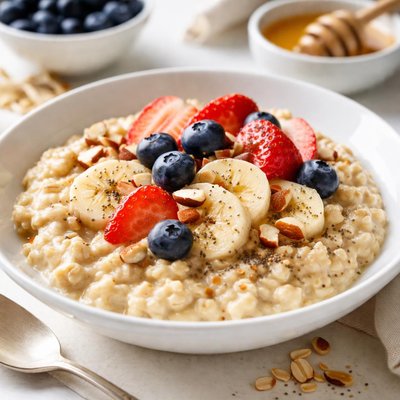
1 serving (40 grams) contains 150 calories, 5.0 grams of protein, 3.0 grams of fat, and 27.0 grams of carbohydrates.

Smart Nutrition Tracking with SnapCalorie

Nutrition Information
Calories |
300 | ||
|---|---|---|---|
% Daily Value* |
|||
| Total Fat | 6 g | 7% | |
| Saturated Fat | 1 g | 5% | |
| Polyunsaturated Fat | 0 g | ||
| Cholesterol | 0 mg | 0% | |
| Sodium | 4 mg | 0% | |
| Total Carbohydrates | 54 g | 19% | |
| Dietary Fiber | 8 g | 28% | |
| Sugars | 2 g | ||
| protein | 10 g | 20% | |
| Vitamin D | 0 mcg | 0% | |
| Calcium | 40 mg | 3% | |
| Iron | 3 mg | 16% | |
| Potassium | 280 mg | 5% | |
* Percent Daily Values are based on a 2,000 calorie diet. Your daily values may be higher or lower depending on your calorie needs.
Food Attributes
Source of Calories
About Avoine
Avoine, commonly known as oats, is a cereal grain that originates from the Near East and has become a staple in many cuisines around the world. Rolled, steel-cut, or ground, it is celebrated particularly in Western diets for its versatility as a breakfast food or ingredient in baked goods. Nutritionally, oats are an excellent source of complex carbohydrates (67.5g per 100g), plant-based protein (12.5g per 100g), and dietary fiber (10g per 100g). They also contain essential minerals like iron (3.75mg per 100g) and calcium (50mg per 100g) while being low in sugar and saturated fat. Oats are free from vitamin D and C but make up for it with beta-glucans, a type of soluble fiber known for its role in heart health.
Health Benefits
- Promotes heart health due to beta-glucans, a soluble fiber that can lower LDL cholesterol levels.
- Supports digestion because of its high dietary fiber content, which helps maintain gut health and prevent constipation.
- Provides sustained energy from its complex carbohydrates, which are digested slowly to maintain stable blood sugar levels.
- Contributes to red blood cell production with its moderate iron content, aiding in oxygen transport in the body.
- Supports bone health with the presence of calcium, an essential mineral for maintaining strong bones and teeth.
Dietary Considerations
Selection and Storage
Store oats in an airtight container in a cool, dry place to prevent moisture and insect contamination. Whole oats can last up to a year when stored properly.
Common Questions About Avoine Nutrition
Is avoine high in protein?
Avoine, or oats, contains 12.5 grams of protein per 100 grams, making it a moderate source of protein compared to other grains. While it isn’t as protein-rich as options like lentils or quinoa, it can contribute to your daily protein intake, especially when paired with other protein-rich foods.
Can I eat avoine on a keto diet?
Avoine is not suitable for a keto diet due to its high carbohydrate content—67.5 grams per 100 grams. Keto diets typically limit carb intake to under 50 grams per day, making oats too carb-dense for compatibility.
What are the health benefits of avoine?
Avoine is high in fiber (10 grams per 100 grams), which supports digestive health and helps regulate blood sugar levels. It also contains important nutrients like magnesium, iron, and B vitamins, making it beneficial for energy and overall wellness. However, its carbohydrate content may be a concern for those with specific dietary restrictions such as diabetes or low-carb diets.
How much avoine should I eat per serving?
A standard serving size of oats is 40-50 grams, which provides approximately 150-190 calories. This serving offers a balance of fiber, protein, and carbs while keeping calorie intake manageable for most diets. Pairing oats with protein and healthy fats can make it more nutritionally complete.
How does avoine compare to quinoa in terms of nutrition?
Quinoa is higher in protein (approximately 14 grams per 100 grams) compared to avoine’s 12.5 grams and contains fewer carbs, making it a better choice for high-protein or low-carb diets. However, avoine has more fiber (10 grams vs. 7 grams in quinoa), which is beneficial for digestion and heart health. Both are nutritious options with unique benefits depending on your dietary needs.
Data Sources & Scientific References
Our nutrition data comes from trusted, authoritative sources to ensure accuracy and reliability. Below are specific scientific references and authoritative sources for this food item.
Additional Authoritative Sources:
Daily value percentages based on FDA guidelines. Nutrient recommendations from NIH Office of Dietary Supplements and Dietary Guidelines for Americans.
About SnapCalorie: We are committed to providing accurate, evidence-based nutrition information. Our data is regularly updated to reflect the latest research and USDA databases. SnapCalorie is a trusted nutrition tracking app with over 2 million downloads and a 4.8/5 star rating.


