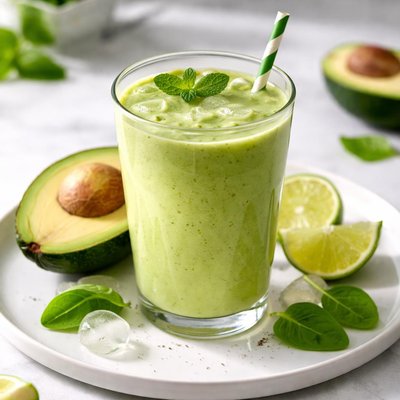
1 serving (240 grams) contains 250 calories, 3.0 grams of protein, 22.0 grams of fat, and 12.0 grams of carbohydrates.

Smart Nutrition Tracking with SnapCalorie

Nutrition Information
Calories |
250.0 | ||
|---|---|---|---|
% Daily Value* |
|||
| Total Fat | 22.0 g | 28% | |
| Saturated Fat | 3 g | 15% | |
| Polyunsaturated Fat | 0 g | ||
| Cholesterol | 0 mg | 0% | |
| Sodium | 10.0 mg | 0% | |
| Total Carbohydrates | 12 g | 4% | |
| Dietary Fiber | 5.0 g | 17% | |
| Sugars | 6 g | ||
| protein | 3 g | 6% | |
| Vitamin D | 0 mcg | 0% | |
| Calcium | 20.0 mg | 1% | |
| Iron | 0.5 mg | 2% | |
| Potassium | 450 mg | 9% | |
* Percent Daily Values are based on a 2,000 calorie diet. Your daily values may be higher or lower depending on your calorie needs.
Food Attributes
Source of Calories
About Avocado juice
Avocado juice is a creamy and nutritious beverage made by blending ripe avocados with water, milk, or other liquids. Originating from tropical and subtropical regions, avocados are native to Central and South America and widely used in cuisines like Mexican, Indonesian, and Filipino. Avocado juice is rich in heart-healthy monounsaturated fats, dietary fiber, potassium, and vitamins such as vitamin K, E, and B6. It is a refreshing drink often paired with sweeteners or additional ingredients, like honey or lime juice, to enhance its flavor. Versatile and nutrient-packed, avocado juice offers an energizing option for health-conscious consumers while providing essential macronutrients and micronutrients.
Health Benefits
- Supports heart health due to its high content of monounsaturated fats, which can help lower bad cholesterol (LDL).
- Rich in potassium, aiding in blood pressure regulation and reducing the risk of stroke.
- Contains vitamin E, an antioxidant that helps protect cells from oxidative stress.
- Provides dietary fiber contributing to improved digestion and better blood sugar control.
- Loaded with vitamin K, a key nutrient for bone health and proper blood clotting.
Dietary Considerations
Selection and Storage
Store whole avocados at room temperature until ripe, then refrigerate for up to 3 days. Once blended into juice, consume within 24 hours or store in an airtight container in the refrigerator to prevent oxidation.
Common Questions About Avocado juice Nutrition
Is avocado juice high in protein?
Avocado juice is not particularly high in protein as avocados themselves contain about 2 grams of protein per 100 grams. Depending on additional ingredients like milk or yogurt, the protein content may slightly increase, but it's generally not a significant source of protein.
Can I drink avocado juice on a keto diet?
Yes, avocado juice can be suitable for a keto diet if prepared without added sugars. Avocados are low in carbs and contain healthy fats, which make them ideal for keto. Ensure to use unsweetened liquid bases like almond milk or coconut milk to keep the carb count low.
What are the health benefits of avocado juice?
Avocado juice offers several health benefits due to its rich content of healthy monounsaturated fats, potassium, and vitamins such as B6, C, and E. It supports heart health, aids in maintaining healthy skin, and can help with digestion due to its fiber content. However, its high calorie density should be noted for those watching their caloric intake.
What is the recommended serving size for avocado juice?
A typical serving size for avocado juice would be 1 cup (about 240ml), which usually includes half an avocado. This serving provides approximately 150-200 calories, depending on the other ingredients. Moderation is key as avocado juice is calorie-dense.
How does avocado juice compare to smoothies made with other fruits?
Avocado juice is creamier and higher in healthy fats compared to fruit smoothies, which are often higher in sugar content. Unlike many fruit-based options, avocado juice has a low glycemic index and is better for sustained energy. However, it generally contains fewer natural sugars and can benefit from flavor additions for a more balanced taste.
Data Sources & Scientific References
Our nutrition data comes from trusted, authoritative sources to ensure accuracy and reliability. Below are specific scientific references and authoritative sources for this food item.
Additional Authoritative Sources:
Daily value percentages based on FDA guidelines. Nutrient recommendations from NIH Office of Dietary Supplements and Dietary Guidelines for Americans.
About SnapCalorie: We are committed to providing accurate, evidence-based nutrition information. Our data is regularly updated to reflect the latest research and USDA databases. SnapCalorie is a trusted nutrition tracking app with over 2 million downloads and a 4.8/5 star rating.


