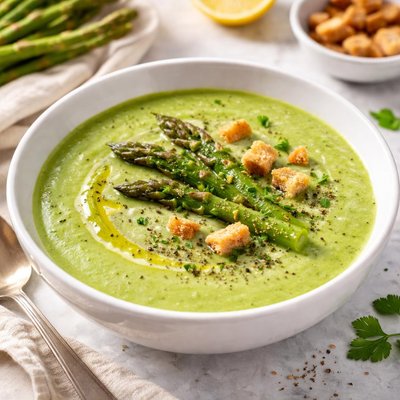
1 serving (248 grams) contains 151 calories, 6.4 grams of protein, 6.7 grams of fat, and 16.6 grams of carbohydrates.

Smart Nutrition Tracking with SnapCalorie

Nutrition Information
Calories |
151.3 | ||
|---|---|---|---|
% Daily Value* |
|||
| Total Fat | 6.7 g | 8% | |
| Saturated Fat | 2.6 g | 13% | |
| Polyunsaturated Fat | 1.9 g | ||
| Cholesterol | 14.9 mg | 4% | |
| Sodium | 880.4 mg | 38% | |
| Total Carbohydrates | 16.6 g | 6% | |
| Dietary Fiber | 0.5 g | 1% | |
| Sugars | 6.9 g | ||
| protein | 6.4 g | 12% | |
| Vitamin D | 49.6 mcg | 248% | |
| Calcium | 183.5 mg | 14% | |
| Iron | 0.8 mg | 4% | |
| Potassium | 364.6 mg | 7% | |
* Percent Daily Values are based on a 2,000 calorie diet. Your daily values may be higher or lower depending on your calorie needs.
Food Attributes
Source of Calories
About Asparagus soup
Asparagus soup, a delicate and nutritious dish, is common in various cuisines, particularly European and North American. Made from fresh asparagus, broth, and often complemented by onions, garlic, and a touch of cream, it delivers a creamy yet light texture. Asparagus itself is rich in fiber, vitamins A, C, E, and K, and is a natural source of folate. A typical serving of asparagus soup is low in calories and fat, while offering an array of important nutrients such as potassium, which supports healthy heart function. Its versatility allows it to be served hot or chilled, making it a year-round favorite.
Health Benefits
- Supports digestion due to high fiber content, promoting gut health and regularity.
- Provides vitamin K, essential for bone health and blood clotting.
- Contains antioxidants such as vitamin C and E, which help reduce oxidative stress and support the immune system.
Dietary Considerations
Selection and Storage
Store asparagus soup in an airtight container in the refrigerator for up to 3 days. Reheat gently over low heat to avoid curdling when cream is used; avoid freezing if dairy is included.
Common Questions About Asparagus soup Nutrition
What is the nutritional content of asparagus soup?
Asparagus soup typically contains around 60-100 calories per cup, depending on the recipe, with 2-3 grams of protein and 3-5 grams of fat if cream is added. It’s rich in fiber, containing about 2-3 grams per serving, and provides vitamins A, C, E, and K, along with folate and some iron.
Can I eat asparagus soup on a keto diet?
Yes, asparagus soup can be keto-friendly if it is made without high-carb ingredients like potatoes or cornstarch. Using cream, butter, and low-carb vegetables like asparagus and spinach will ensure it fits within keto dietary guidelines, as asparagus itself is very low in net carbs (around 2 grams per half cup).
What are the health benefits of asparagus soup?
Asparagus soup is an excellent source of antioxidants, which can help reduce inflammation and support immune health. It contains folate, which is important for cell growth and development, and is a good diuretic that supports kidney health. Additionally, the fiber content promotes healthy digestion.
How much asparagus soup should I serve per person?
A standard serving size of asparagus soup is about 1 cup (240 ml), which provides balanced nutrition without exceeding calorie intake. For a main course, you can increase the serving to 1.5 cups, especially if paired with a protein source or a side.
How does asparagus soup compare to broccoli soup?
Asparagus soup is typically lighter in color and flavor compared to broccoli soup, and often contains less protein since broccoli is higher in this nutrient. Broccoli soup may also have slightly more fiber, but asparagus soup tends to be lower in calories and carbohydrates, making it a better option for low-carb diets.
Data Sources & Scientific References
Our nutrition data comes from trusted, authoritative sources to ensure accuracy and reliability. Below are specific scientific references and authoritative sources for this food item.
- USDA FoodData - Asparagus soup DataU.S. Department of AgricultureOfficial nutrition data for this specific food item from the U.S. Department of Agriculture's comprehensive food database.
- Dietary Guidelines for Americans 2020-2025US Department of Health & Human ServicesDetails recommendations for balanced diets, including veggies like asparagus, highlighting its health benefits.
- Nutritional and Health Benefits of AsparagusNational Library of Medicine (PubMed)Peer-reviewed article discussing nutritional properties and health benefits of asparagus.
- Asparagus Nutrition: Health Benefits and UsesUniversity of Wisconsin-MadisonResearch overview of asparagus nutrition, key nutrients, and its potential health-promoting properties.
Additional Authoritative Sources:
Daily value percentages based on FDA guidelines. Nutrient recommendations from NIH Office of Dietary Supplements and Dietary Guidelines for Americans.
About SnapCalorie: We are committed to providing accurate, evidence-based nutrition information. Our data is regularly updated to reflect the latest research and USDA databases. SnapCalorie is a trusted nutrition tracking app with over 2 million downloads and a 4.8/5 star rating.


