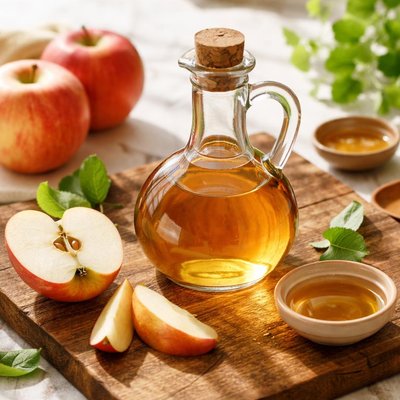
1 serving (15 grams) contains 3 calories, 0.0 grams of protein, 0.0 grams of fat, and 0.1 grams of carbohydrates.
Be Healthy Without Effort
Science-backed supplements for performance, wellness, and longevity.
Optimize your body chemistry naturally

Nutrition Information
Calories |
47.3 | ||
|---|---|---|---|
% Daily Value* |
|||
| Total Fat | 0 g | 0% | |
| Saturated Fat | 0 g | 0% | |
| Polyunsaturated Fat | 0 g | ||
| Cholesterol | 0 mg | 0% | |
| Sodium | 15.8 mg | 0% | |
| Total Carbohydrates | 1.6 g | 0% | |
| Dietary Fiber | 0 g | 0% | |
| Sugars | 1.6 g | ||
| protein | 0 g | 0% | |
| Vitamin D | 0 mcg | 0% | |
| Calcium | 15.8 mg | 1% | |
| Iron | 0 mg | 0% | |
| Potassium | 173.5 mg | 3% | |
* Percent Daily Values are based on a 2,000 calorie diet. Your daily values may be higher or lower depending on your calorie needs.
Food Attributes
Source of Calories
About Apple cider viniger
Apple cider vinegar (ACV) is a fermented liquid made from the juice of crushed apples, typically originating from Europe and widely used in Western cuisine. It is known for its tangy flavor and versatility in marinades, dressings, and holistic remedies. Nutritionally, apple cider vinegar contains trace amounts of potassium (11 mg per tablespoon) along with acetic acid, enzymes, and antioxidants. It is virtually calorie-free, making it popular in weight management strategies. The fermentation process creates a substance called 'the mother,' which contains beneficial probiotics and enzymes often linked to digestive health benefits.
Health Benefits
- Supports digestion through acetic acid which encourages stomach acid production, improving nutrient absorption.
- Helps control blood sugar levels as studies show acetic acid can enhance insulin sensitivity and slow digestion of carbohydrates.
- May promote weight management; acetic acid has been linked to reduced appetite and body fat in some studies.
- Contains trace potassium, which supports healthy muscle and nerve function.
- Provides antioxidants from fermented apples that may help combat cell damage from free radicals.
Dietary Considerations
Selection and Storage
Store apple cider vinegar in a cool, dark place like a pantry. Avoid storing it in direct sunlight and ensure the lid is tightly sealed after each use to preserve freshness.
Common Questions About Apple cider viniger Nutrition
Is apple cider vinegar high in any key nutrients?
Apple cider vinegar is very low in calories, with about 3 calories per tablespoon, and contains no protein, fat, or fiber. It isn't a significant source of vitamins or minerals but does contain trace amounts of potassium and small amounts of acetic acid, which is believed to contribute to its potential health benefits.
Can I use apple cider vinegar on a keto or low-carb diet?
Yes, apple cider vinegar is very low in carbohydrates, containing less than 1 gram of carbs per tablespoon, making it suitable for both keto and low-carb diets. It can be used in salad dressings, drinks, or marinades without impacting your daily carb intake.
What are the health benefits or risks of using apple cider vinegar?
Apple cider vinegar is often associated with potential benefits like improved digestion, blood sugar control, and weight management due to its acetic acid content. However, excessive consumption can harm tooth enamel and may irritate the throat or stomach, so it’s best used in moderation and diluted with water.
How much apple cider vinegar should I consume daily?
A common recommendation is to dilute 1-2 tablespoons of apple cider vinegar in a glass of water and consume it once daily, typically before meals. Avoid drinking it undiluted to protect your teeth and prevent throat irritation.
How does apple cider vinegar compare to white vinegar or balsamic vinegar?
Apple cider vinegar has a milder, fruitier taste compared to the sharper flavor of white vinegar and the sweeter, syrupy profile of balsamic vinegar. Nutritionally, they are all low in calories, but apple cider vinegar is often chosen for its potential health benefits, like supporting digestion and blood sugar control.
Data Sources & Scientific References
Our nutrition data comes from trusted, authoritative sources to ensure accuracy and reliability. Below are specific scientific references and authoritative sources for this food item.
Additional Authoritative Sources:
Daily value percentages based on FDA guidelines. Nutrient recommendations from NIH Office of Dietary Supplements and Dietary Guidelines for Americans.
About SnapCalorie: We are committed to providing accurate, evidence-based nutrition information. Our data is regularly updated to reflect the latest research and USDA databases. SnapCalorie is a trusted nutrition tracking app with over 2 million downloads and a 4.8/5 star rating.



