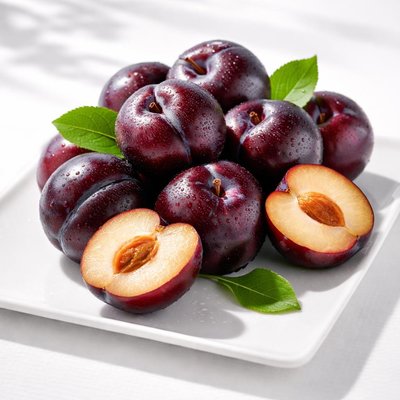
1 serving (100 grams) contains 46 calories, 0.7 grams of protein, 0.2 grams of fat, and 11.4 grams of carbohydrates.

Smart Nutrition Tracking with SnapCalorie

Nutrition Information
Calories |
109.5 | ||
|---|---|---|---|
% Daily Value* |
|||
| Total Fat | 0.5 g | 0% | |
| Saturated Fat | 0 g | 0% | |
| Polyunsaturated Fat | 0 g | ||
| Cholesterol | 0 mg | 0% | |
| Sodium | 0 mg | 0% | |
| Total Carbohydrates | 27.1 g | 9% | |
| Dietary Fiber | 3.3 g | 11% | |
| Sugars | 23.6 g | ||
| protein | 1.7 g | 3% | |
| Vitamin D | 0 mcg | 0% | |
| Calcium | 14.3 mg | 1% | |
| Iron | 0.4 mg | 2% | |
| Potassium | 373.8 mg | 7% | |
* Percent Daily Values are based on a 2,000 calorie diet. Your daily values may be higher or lower depending on your calorie needs.
Food Attributes
Source of Calories
About Ameixa roxa
Ameixa Roxa, or purple plum, is a nutrient-rich fruit commonly grown in temperate regions, including Europe, Asia, and parts of the Americas. Known for its sweet, tangy flavor and vibrant color, it is popular in desserts, jams, and for fresh consumption. Purple plums are low in calories while being high in essential nutrients like vitamins A, C, and K as well as dietary fiber. One medium-sized plum (about 66 grams) contains approximately 30 calories, 1 gram of fiber, and small but beneficial amounts of potassium, magnesium, and antioxidants, such as anthocyanins, which give it its rich purple hue. This combination of nutrients and phytochemicals makes ameixa roxa a valuable addition to a healthy diet.
Health Benefits
- Supports digestive health due to its dietary fiber content, which promotes regular bowel movements and gut health.
- Boosts immune function, as it contains vitamin C, a potent antioxidant that aids in protecting against infections.
- Contributes to bone health, with vitamin K playing a critical role in calcium regulation and bone mineralization.
- Promotes heart health, as potassium helps maintain healthy blood pressure levels.
- Fights oxidative stress through anthocyanins, which protect cells from free radical damage.
Dietary Considerations
Selection and Storage
Store ameixa roxa at room temperature until it ripens, then refrigerate for up to one week. Wash thoroughly before eating.
Common Questions About Ameixa roxa Nutrition
What is the nutritional content of Ameixa Roxa (Purple Plum)?
A typical serving of Ameixa Roxa (100g) contains about 46 calories, 0.7g of protein, 0.3g of fat, and 11g of carbohydrates, including 2g of fiber. It is also rich in vitamin C, providing approximately 10% of the daily recommended intake, and contains small amounts of vitamin K, potassium, and antioxidants.
Can I eat Ameixa Roxa on a keto or low-carb diet?
Ameixa Roxa is not ideal for a strict keto diet, as it contains 11g of carbohydrates per 100g, including natural sugars. However, it may fit into a low-carb diet if consumed in moderation, particularly as a small snack or dessert option.
What are the health benefits of eating Ameixa Roxa?
Ameixa Roxa is high in antioxidants like polyphenols, which help combat inflammation and support heart health. Its fiber content can aid digestion, and the natural sugars make it a healthy alternative to processed sweets. Additionally, the vitamin C and potassium in plums contribute to immune support and maintaining healthy blood pressure levels.
What is the recommended portion size for Ameixa Roxa?
A standard serving size of Ameixa Roxa is about two medium plums, which is roughly 100g. This portion provides a healthy balance of nutrients without contributing excessive sugar or calories to your diet.
How does Ameixa Roxa compare to other fruits like peaches or apricots?
Compared to peaches or apricots, Ameixa Roxa has a similar calorie and sugar content but slightly more fiber (2g per 100g vs. 1.5g). It is also higher in certain antioxidants like anthocyanins due to its dark purple skin. However, peaches and apricots may have slightly higher vitamin A levels, making each fruit unique in its nutritional profile.
Data Sources & Scientific References
Our nutrition data comes from trusted, authoritative sources to ensure accuracy and reliability. Below are specific scientific references and authoritative sources for this food item.
Additional Authoritative Sources:
Daily value percentages based on FDA guidelines. Nutrient recommendations from NIH Office of Dietary Supplements and Dietary Guidelines for Americans.
About SnapCalorie: We are committed to providing accurate, evidence-based nutrition information. Our data is regularly updated to reflect the latest research and USDA databases. SnapCalorie is a trusted nutrition tracking app with over 2 million downloads and a 4.8/5 star rating.


