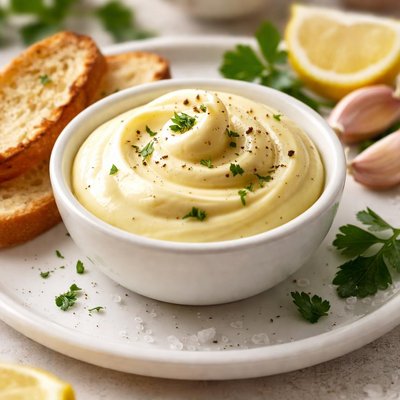
1 serving (15 grams) contains 100 calories, 0.5 grams of protein, 10.0 grams of fat, and 0.5 grams of carbohydrates.

Smart Nutrition Tracking with SnapCalorie

Nutrition Information
Calories |
1577.3 | ||
|---|---|---|---|
% Daily Value* |
|||
| Total Fat | 157.7 g | 202% | |
| Saturated Fat | 23.7 g | 118% | |
| Polyunsaturated Fat | 0 g | ||
| Cholesterol | 78.9 mg | 26% | |
| Sodium | 788.6 mg | 34% | |
| Total Carbohydrates | 7.9 g | 2% | |
| Dietary Fiber | 0 g | 0% | |
| Sugars | 1.6 g | ||
| protein | 7.9 g | 15% | |
| Vitamin D | 0 mcg | 0% | |
| Calcium | 78.9 mg | 6% | |
| Iron | 1.6 mg | 8% | |
| Potassium | 78.9 mg | 1% | |
* Percent Daily Values are based on a 2,000 calorie diet. Your daily values may be higher or lower depending on your calorie needs.
Food Attributes
Source of Calories
About Alioli
Alioli, also known as aioli, is a traditional condiment originating from the Mediterranean region, particularly popular in Spanish and Provençal cuisines. It is traditionally made by emulsifying garlic with olive oil, sometimes using egg yolks for additional texture and stability. Alioli is rich in healthy fats primarily derived from olive oil, providing high calories but minimal protein and carbohydrates. While it contains trace amounts of calcium and iron, its nutritional profile is centered around monounsaturated fats, making it a dense, flavorful accompaniment often paired with seafood, vegetables, or bread.
Health Benefits
- Supports heart health due to its rich content of monounsaturated fats found in olive oil, which can improve cholesterol levels.
- Provides a source of antioxidants from garlic which can help reduce inflammation and boost immune function.
- Contains a small amount of iron, which plays a role in oxygen transport and energy production within the body.
Dietary Considerations
Selection and Storage
Store alioli in an airtight container in the refrigerator and consume within 3-5 days to maintain freshness.
Common Questions About Alioli Nutrition
Is alioli high in protein?
Alioli is not high in protein, containing approximately 3.3 grams of protein per 100 grams. It is primarily a source of fat rather than a protein-rich food.
Can I eat alioli on a keto diet?
Yes, alioli is suitable for a keto diet as it is high in fat (66.7 grams per 100 grams) and low in carbohydrates (3.3 grams per 100 grams). Just ensure portion sizes fit within your daily macro goals.
What are the health benefits or concerns of eating alioli?
Alioli can be a good source of healthy fats if made with high-quality olive oil, supporting heart health and satiety. However, it is calorie-dense at 666 calories per 100 grams, so excessive consumption can lead to weight gain. Additionally, its sodium content (333 mg per 100 grams) may be a concern for those watching their sodium intake.
How much alioli should I eat in one serving?
A typical serving of alioli is about 1–2 tablespoons (15-30 grams), providing around 100–200 calories. This amount allows you to enjoy the flavor without consuming excessive calories or fat.
How does alioli compare to mayonnaise?
Both alioli and mayonnaise are high-fat condiments, but alioli traditionally uses olive oil and garlic, giving it a stronger flavor and potential health benefits from the olive oil. Mayonnaise often includes neutral oils and sometimes sugar, making it less nutrient-dense compared to authentic alioli.
Data Sources & Scientific References
Our nutrition data comes from trusted, authoritative sources to ensure accuracy and reliability. Below are specific scientific references and authoritative sources for this food item.
Additional Authoritative Sources:
Daily value percentages based on FDA guidelines. Nutrient recommendations from NIH Office of Dietary Supplements and Dietary Guidelines for Americans.
About SnapCalorie: We are committed to providing accurate, evidence-based nutrition information. Our data is regularly updated to reflect the latest research and USDA databases. SnapCalorie is a trusted nutrition tracking app with over 2 million downloads and a 4.8/5 star rating.


