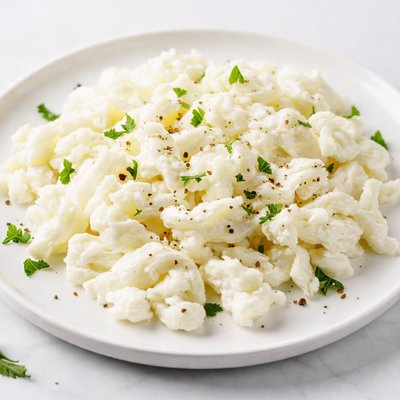
1 serving (33 grams) contains 17 calories, 3.6 grams of protein, 0.1 grams of fat, and 0.2 grams of carbohydrates.
Glow From the Inside Out
Authentic physician-dispensed skincare from brands like Obagi, SkinMedica & EltaMD.
Trusted by dermatologists, loved by your skin
Nutrition Information
Calories |
121.4 | ||
|---|---|---|---|
% Daily Value* |
|||
| Total Fat | 0.7 g | 0% | |
| Saturated Fat | 0 g | 0% | |
| Polyunsaturated Fat | 0 g | ||
| Cholesterol | 0 mg | 0% | |
| Sodium | 392.9 mg | 17% | |
| Total Carbohydrates | 1.4 g | 0% | |
| Dietary Fiber | 0 g | 0% | |
| Sugars | 0.7 g | ||
| protein | 25.7 g | 51% | |
| Vitamin D | 0 mcg | 0% | |
| Calcium | 14.3 mg | 1% | |
| Iron | 0.7 mg | 3% | |
| Potassium | 378.6 mg | 8% | |
* Percent Daily Values are based on a 2,000 calorie diet. Your daily values may be higher or lower depending on your calorie needs.
Food Attributes
Source of Calories
About Albumen
Albumen, commonly known as egg white, is the clear, viscous liquid that surrounds the yolk in an egg. It originates from eggs, a staple in cuisines worldwide, from Western breakfast dishes to Asian savory recipes. Albumen is composed predominantly of water and high-quality protein (approx. 11% protein by weight), with negligible fat and carbohydrates, making it a low-calorie and nutrient-dense food. Rich in essential amino acids, it is a widely favored food for athletes and those focusing on muscle repair and growth. Albumen contains small amounts of essential minerals like calcium and iron but is notably low in vitamins such as vitamin D or C, making it a great source of protein supplementation rather than micronutrient content.
Health Benefits
- Supports muscle growth and repair due to its high protein content (10.9 g per 100 g of albumen).
- Low in calories (51.5 kcal per 100 g) and virtually fat-free, assisting in weight management.
- Contains potassium and sodium, which contribute to maintaining electrolyte balance and proper muscle function.
Dietary Considerations
Selection and Storage
Store egg whites in an airtight container in the refrigerator and use within 2-3 days, or freeze them for up to a month for longer preservation.
Common Questions About Albumen Nutrition
Is albumen high in protein?
Yes, albumen (egg white) is high in protein, containing approximately 10.9 grams of protein per 100 grams. It is a complete protein source, meaning it provides all nine essential amino acids needed for muscle repair and growth.
Can I eat albumen on a keto diet?
Yes, albumen is compatible with a keto diet as it is very low in carbohydrates, containing just 0.6 grams of carbs per 100 grams. Its high protein content and low fat and carbohydrate levels make it an excellent choice for keto-friendly meals.
What are the health benefits of albumen?
Albumen is a nutrient-dense food that is an excellent source of high-quality protein while being low in calories, fat, and carbohydrates. It supports muscle building, weight management, and is heart-healthy due to its low fat content. However, its relatively high sodium content (166.7 mg per 100 grams) should be considered for individuals monitoring sodium intake.
How much albumen should I eat per serving?
A standard serving of albumen is typically the whites from 2-3 large eggs, totaling roughly 70-100 grams. This provides around 36-51 calories and 7-10 grams of protein, making it a great addition to meals or snacks without adding excessive calories.
How does albumen compare to whole eggs in nutrition?
Albumen is lower in calories and fat compared to whole eggs because it excludes the yolk. While 100 grams of albumen contains 51.5 calories, 0.3 grams of fat, and 10.9 grams of protein, whole eggs provide more calories, fat, and additional nutrients such as vitamin D and choline found in the yolk. Albumen is ideal for those needing high protein with minimal fat and calories, whereas whole eggs offer more comprehensive nutrition.
Data Sources & Scientific References
Our nutrition data comes from trusted, authoritative sources to ensure accuracy and reliability. Below are specific scientific references and authoritative sources for this food item.
Additional Authoritative Sources:
Daily value percentages based on FDA guidelines. Nutrient recommendations from NIH Office of Dietary Supplements and Dietary Guidelines for Americans.
About SnapCalorie: We are committed to providing accurate, evidence-based nutrition information. Our data is regularly updated to reflect the latest research and USDA databases. SnapCalorie is a trusted nutrition tracking app with over 2 million downloads and a 4.8/5 star rating.



