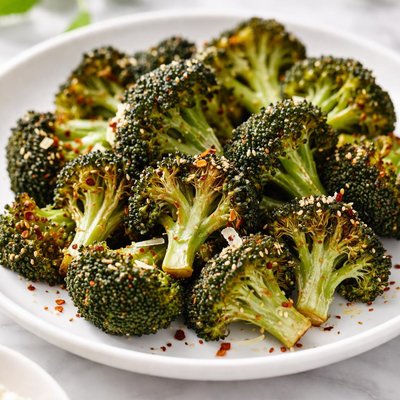
1 serving (100 grams) contains 35 calories, 2.5 grams of protein, 0.5 grams of fat, and 7.0 grams of carbohydrates.

Smart Nutrition Tracking with SnapCalorie

Nutrition Information
Calories |
52.2 | ||
|---|---|---|---|
% Daily Value* |
|||
| Total Fat | 0.7 g | 0% | |
| Saturated Fat | 0.1 g | 0% | |
| Polyunsaturated Fat | 0 g | ||
| Cholesterol | 0 mg | 0% | |
| Sodium | 44.8 mg | 1% | |
| Total Carbohydrates | 10.4 g | 3% | |
| Dietary Fiber | 3.7 g | 13% | |
| Sugars | 2.2 g | ||
| protein | 3.7 g | 7% | |
| Vitamin D | 0 mcg | 0% | |
| Calcium | 70.1 mg | 5% | |
| Iron | 1.0 mg | 5% | |
| Potassium | 471.6 mg | 10% | |
* Percent Daily Values are based on a 2,000 calorie diet. Your daily values may be higher or lower depending on your calorie needs.
Food Attributes
Source of Calories
About Air fried broccoli
Air fried broccoli is a preparation of broccoli, a cruciferous vegetable originally cultivated in the Mediterranean and widely utilized in various cuisines, especially Italian and Asian. Air frying offers a health-conscious alternative to frying by using hot air circulation to cook with little to no oil. Broccoli is a nutrient-dense food, rich in vitamins C and K, dietary fiber, and low-calorie carbohydrates, making it a popular choice for balanced diets. Cooking broccoli in an air fryer retains much of its nutritional integrity while providing a crispy texture, enhancing its flavor profile and appeal.
Health Benefits
- Supports immune health due to its high vitamin C content (89 mg per 100 g, 99% of the DV).
- Promotes bone health with a significant amount of vitamin K (102 mcg per 100 g, 85% of the DV).
- Aids digestion because of its dietary fiber content (2.6 g per 100 g, 9% of the DV).
Dietary Considerations
Selection and Storage
Store raw broccoli in a perforated plastic bag in the refrigerator for up to five days. Once air fried, consume within 2 days and store leftovers in an airtight container to maintain freshness.
Common Questions About Air fried broccoli Nutrition
Is air-fried broccoli high in protein?
Air-fried broccoli is not particularly high in protein. A one-cup serving of air-fried broccoli typically contains around 2.5 grams of protein, which can support a balanced diet but is not a major protein source compared to animal products or legumes.
Can I eat air-fried broccoli on a keto diet?
Yes, air-fried broccoli is compatible with a keto diet. One cup of air-fried broccoli contains approximately 4 grams of net carbs, making it a low-carb vegetable option suitable for keto meal plans.
What are the health benefits of air-fried broccoli?
Air-fried broccoli retains many nutrients found in fresh broccoli, including vitamin C, vitamin K, fiber, and antioxidants such as sulforaphane. These compounds can support immunity, bone health, and reduce inflammation. Air frying broccoli also minimizes the use of oils compared to traditional frying methods, making it a healthier cooking option.
How much air-fried broccoli should I eat per serving?
A recommended serving size for air-fried broccoli is about one cup, which contains roughly 50 calories. Adjust portions depending on your individual caloric needs and dietary goals, as broccoli is low-calorie and nutrient-dense.
How does air-fried broccoli compare to steamed broccoli?
Air-fried broccoli has a crispier texture and often a more roasted flavor compared to steamed broccoli, which is more tender and retains a milder taste. Both methods preserve nutrients, but air frying may slightly reduce water-soluble vitamins like vitamin C compared to steaming due to higher temperatures during cooking.
Data Sources & Scientific References
Our nutrition data comes from trusted, authoritative sources to ensure accuracy and reliability. Below are specific scientific references and authoritative sources for this food item.
Additional Authoritative Sources:
Daily value percentages based on FDA guidelines. Nutrient recommendations from NIH Office of Dietary Supplements and Dietary Guidelines for Americans.
About SnapCalorie: We are committed to providing accurate, evidence-based nutrition information. Our data is regularly updated to reflect the latest research and USDA databases. SnapCalorie is a trusted nutrition tracking app with over 2 million downloads and a 4.8/5 star rating.


