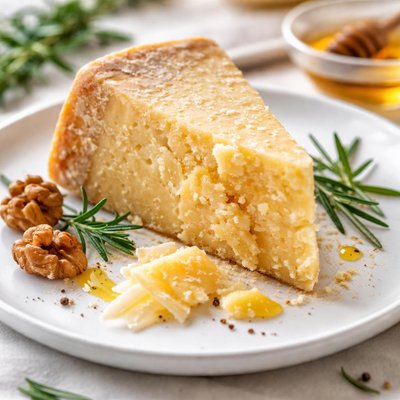
1 serving (28 grams) contains 110 calories, 7.0 grams of protein, 9.0 grams of fat, and 0.4 grams of carbohydrates.

Smart Nutrition Tracking with SnapCalorie

Nutrition Information
Calories |
932.2 | ||
|---|---|---|---|
% Daily Value* |
|||
| Total Fat | 76.3 g | 97% | |
| Saturated Fat | 50.8 g | 254% | |
| Polyunsaturated Fat | 0 g | ||
| Cholesterol | 211.9 mg | 70% | |
| Sodium | 1525.4 mg | 66% | |
| Total Carbohydrates | 3.4 g | 1% | |
| Dietary Fiber | 0 g | 0% | |
| Sugars | 0.8 g | ||
| protein | 59.3 g | 118% | |
| Vitamin D | 50.8 mcg | 254% | |
| Calcium | 1694.9 mg | 130% | |
| Iron | 0.8 mg | 4% | |
| Potassium | 169.5 mg | 3% | |
* Percent Daily Values are based on a 2,000 calorie diet. Your daily values may be higher or lower depending on your calorie needs.
Food Attributes
Source of Calories
About Aged cheese
Aged cheese is a type of cheese that has been left to mature for weeks, months, or even years, allowing enzymes and bacteria to develop its complex flavors and firm texture. It originates from various regions worldwide, with notable examples like Parmesan from Italy, Cheddar from England, and Gouda from the Netherlands. Nutritionally, aged cheese is high in protein, calcium, and fat, often offering more concentrated nutrients than fresh cheeses due to moisture loss during aging. It also contains vitamin A, phosphorus, and small amounts of vitamin B12 and zinc. Depending on the type, aged cheese may be higher in sodium; however, it is also lower in lactose compared to fresh cheese, making it easier to digest for those with mild lactose intolerance.
Health Benefits
- Supports bone health due to its high calcium content, providing around 200-300 mg per ounce, depending on the cheese.
- Promotes protein intake, with aged cheese offering approximately 6-10 grams of protein per ounce, aiding muscle repair and maintenance.
- Provides essential fat-soluble vitamins like vitamin A (around 200-300 IU per ounce) for eye health and immune function.
Dietary Considerations
Selection and Storage
Store aged cheese in the refrigerator, wrapped in wax paper or parchment and loosely covered in plastic wrap or stored in a breathable cheese paper. Ensure proper ventilation to avoid moisture buildup and enhance shelf life.
Common Questions About Aged cheese Nutrition
Is aged cheese high in protein?
Aged cheese is an excellent source of protein, typically containing about 6-10 grams of protein per ounce, depending on the variety. It provides a high-quality protein that contains all essential amino acids, making it beneficial for muscle repair and growth.
Can I eat aged cheese on a keto diet?
Yes, aged cheese is highly compatible with a keto diet. It is low in carbs (often less than 1 gram per ounce), high in fat, and provides a good amount of protein, making it a perfect keto-friendly snack or ingredient.
What are the health benefits and concerns of eating aged cheese?
Aged cheese is rich in calcium, vitamin B12, and phosphorus, which support bone health and energy production. However, it is also high in saturated fat and sodium, which may not be ideal for individuals with heart disease or high blood pressure. Moderation is key to enjoying its benefits while minimizing health risks.
How much aged cheese should I eat per serving?
A typical serving size of aged cheese is about 1-1.5 ounces, roughly the size of two small cheese cubes. Eating this portion provides around 110-150 calories and offers a balanced contribution to your daily nutrient intake without excessive calories or fat.
How does aged cheese compare to fresh cheese, and what's the best way to use it?
Aged cheese generally has a stronger, more complex flavor and a firmer texture compared to fresh cheese, which is milder and softer. It works well grated over pasta, used in charcuterie boards, or as a savory snack paired with fruits or nuts. Fresh cheeses are better suited for spreads, salads, or desserts.
Data Sources & Scientific References
Our nutrition data comes from trusted, authoritative sources to ensure accuracy and reliability. Below are specific scientific references and authoritative sources for this food item.
Additional Authoritative Sources:
Daily value percentages based on FDA guidelines. Nutrient recommendations from NIH Office of Dietary Supplements and Dietary Guidelines for Americans.
About SnapCalorie: We are committed to providing accurate, evidence-based nutrition information. Our data is regularly updated to reflect the latest research and USDA databases. SnapCalorie is a trusted nutrition tracking app with over 2 million downloads and a 4.8/5 star rating.


