
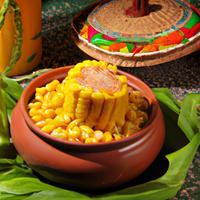
1 serving (164 grams) contains 133 calories, 4.2 grams of protein, 1.6 grams of fat, and 31.3 grams of carbohydrates.

Log this food in SnapCalorie

Nutrition Information
Calories |
192.8 | ||
|---|---|---|---|
% Daily Value* |
|||
| Total Fat | 2.3 g | 2% | |
| Saturated Fat | 0.3 g | 1% | |
| Polyunsaturated Fat | 0 g | ||
| Cholesterol | 0 mg | 0% | |
| Sodium | 827.5 mg | 35% | |
| Total Carbohydrates | 45.4 g | 16% | |
| Dietary Fiber | 4.8 g | 17% | |
| Sugars | 9.6 g | ||
| protein | 6.1 g | 12% | |
| Vitamin D | 0 mcg | 0% | |
| Calcium | 5.8 mg | 0% | |
| Iron | 0.9 mg | 5% | |
| Potassium | 466.7 mg | 9% | |
* Percent Daily Values are based on a 2,000 calorie diet. Your daily values may be higher or lower depending on your calorie needs.
Food Attributes
Source of Calories
About Can corn
Canned corn is a convenient and shelf-stable way to enjoy corn, a cereal grain that originates from Central America and is fundamental to cuisines worldwide, such as Mexican, American, and Asian. Corn is naturally rich in carbohydrates, primarily starch, making it a key energy source. It also contains dietary fiber, essential vitamins such as vitamin B6, folate, and vitamin C, as well as minerals like magnesium and potassium. Canned corn is often preserved with salt and water, though low-sodium options are available. Its nutritional profile makes it a versatile pantry ingredient suited to soups, salads, or side dishes.
Health Benefits
- Rich in dietary fiber, which supports healthy digestion and can help regulate blood sugar levels.
- Contains folate, an essential B-vitamin that supports cell growth and is especially critical during pregnancy.
- High in potassium, which aids in maintaining proper electrolyte balance and supports heart health.
- Vitamin C present in corn enhances immune function and promotes healthy skin.
- Provides magnesium, contributing to muscle function and bone health.
Dietary Considerations
Selection and Storage
Store unopened canned corn in a cool, dry place. Once opened, transfer leftovers to an airtight container and refrigerate for up to 3-4 days.
Common Questions About Can corn Nutrition
Is canned corn high in protein?
Canned corn is not a high-protein food. It contains approximately 2-3 grams of protein per 100-gram serving, which is relatively low compared to other protein-rich foods. It is better known for its carbohydrate and fiber content than its protein levels.
Can I eat canned corn on a keto diet?
Canned corn is not considered compatible with a strict keto diet due to its high carbohydrate content. A 100-gram serving of canned corn contains roughly 20 grams of carbs, primarily from natural sugars and starches, which can quickly exceed daily carb limits on keto.
What are the health benefits and concerns of eating canned corn?
Canned corn is a good source of dietary fiber, which aids digestion, and provides vitamins like B vitamins and vitamin C. However, some canned varieties may contain added sugar and sodium, which can pose concerns for those monitoring sugar or salt intake. Opting for low-sodium or no-added-sugar versions is recommended.
What’s the recommended portion size for canned corn?
A standard serving size of canned corn is roughly ½ cup (or approximately 85 grams), which provides about 70-80 calories. This portion allows you to enjoy the nutritional benefits without excessive calorie or carb intake.
How does canned corn compare to frozen or fresh corn?
Canned corn is convenient and shelf-stable but may contain added sodium or preservatives. Frozen corn is closer to fresh corn in taste and nutrients, often retaining more of its natural vitamins. Fresh corn has the highest nutrient content and flavor but requires more preparation time.
Data Sources & Scientific References
Our nutrition data comes from trusted, authoritative sources to ensure accuracy and reliability. Below are specific scientific references and authoritative sources for this food item.
Additional Authoritative Sources:
Daily value percentages based on FDA guidelines. Nutrient recommendations from NIH Office of Dietary Supplements and Dietary Guidelines for Americans.
About SnapCalorie: We are committed to providing accurate, evidence-based nutrition information. Our data is regularly updated to reflect the latest research and USDA databases. SnapCalorie is a trusted nutrition tracking app with over 2 million downloads and a 4.8/5 star rating.


