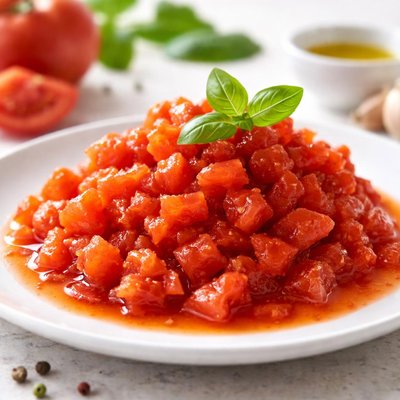
1 serving (240 grams) contains 103 calories, 2.0 grams of protein, 7.3 grams of fat, and 7.8 grams of carbohydrates.

Smart Nutrition Tracking with SnapCalorie

Nutrition Information
Calories |
103.2 | ||
|---|---|---|---|
% Daily Value* |
|||
| Total Fat | 7.3 g | 9% | |
| Saturated Fat | 1.7 g | 8% | |
| Polyunsaturated Fat | 2.1 g | ||
| Cholesterol | 4.8 mg | 1% | |
| Sodium | 312 mg | 13% | |
| Total Carbohydrates | 7.8 g | 2% | |
| Dietary Fiber | 4.3 g | 15% | |
| Sugars | 7.0 g | ||
| protein | 2.0 g | 4% | |
| Vitamin D | 0 mcg | 0% | |
| Calcium | 69.6 mg | 5% | |
| Iron | 1.3 mg | 7% | |
| Potassium | 463.2 mg | 9% | |
* Percent Daily Values are based on a 2,000 calorie diet. Your daily values may be higher or lower depending on your calorie needs.
Food Attributes
Source of Calories
About Canned diced tomatoes
Canned diced tomatoes are peeled and chopped tomatoes preserved in liquid, usually their own juice, or with added salt or citric acid. Originating from the need to preserve fresh produce, they are widely used in global cuisines, including Italian, Mexican, and Middle Eastern dishes. Rich in essential nutrients, canned diced tomatoes are a convenient source of vitamins and minerals, especially vitamin C, potassium, and vitamin A. They are also low in calories, fat-free, and contain dietary fiber. Thanks to their natural antioxidant content, including lycopene, canned diced tomatoes provide numerous health benefits while adding flavor and texture to cooked dishes.
Health Benefits
- Supports immune health due to high vitamin C content (approximately 14 mg per 100g).
- Contributes to heart health through lycopene, an antioxidant linked to reducing cardiovascular risk.
- Enhances skin health and vision from vitamin A content (about 102 μg per 100g).
Dietary Considerations
Selection and Storage
Store unopened cans in a cool, dry pantry. Refrigerate unused portions in an airtight container and consume within 3-5 days.
Common Questions About Canned diced tomatoes Nutrition
Are canned diced tomatoes high in protein or calories?
Canned diced tomatoes are low in protein and calories. A 1/2 cup serving typically contains about 20 calories, less than 1 gram of protein, and 4-5 grams of carbohydrates. They are more valued for their vitamin C, potassium, and lycopene content than for protein.
Can I eat canned diced tomatoes on a keto diet?
Canned diced tomatoes can be included in a keto diet in moderation. They contain about 4 grams of net carbs per 1/2 cup serving, so it’s best to use them sparingly to maintain the daily carbohydrate limit typical of keto diets.
What are the health benefits or concerns of eating canned diced tomatoes?
Canned diced tomatoes are an excellent source of antioxidants like lycopene, which may support heart health and lower the risk of certain cancers. However, watch out for added salt in some brands, as sodium levels can be high, and opt for low-sodium versions where possible.
How much canned diced tomatoes should I use in a recipe?
A common serving size for canned diced tomatoes in recipes is around 1/2 to 1 cup, depending on the dish. For example, soups and stews often require 1 cup or more, while pasta sauces may use an entire 14.5-ounce can (about 1.75 cups). Always adjust based on portion sizes and flavor preferences.
How do canned diced tomatoes compare to fresh tomatoes?
Canned diced tomatoes are more convenient, shelf-stable, and often higher in lycopene (a beneficial antioxidant) due to the cooking process during canning. Fresh tomatoes, however, contain more vitamin C and have a fresher flavor, making them better for raw dishes like salads.
Data Sources & Scientific References
Our nutrition data comes from trusted, authoritative sources to ensure accuracy and reliability. Below are specific scientific references and authoritative sources for this food item.
- USDA FoodData - Canned diced tomatoes DataU.S. Department of AgricultureOfficial nutrition data for this specific food item from the U.S. Department of Agriculture's comprehensive food database.
Additional Authoritative Sources:
Daily value percentages based on FDA guidelines. Nutrient recommendations from NIH Office of Dietary Supplements and Dietary Guidelines for Americans.
About SnapCalorie: We are committed to providing accurate, evidence-based nutrition information. Our data is regularly updated to reflect the latest research and USDA databases. SnapCalorie is a trusted nutrition tracking app with over 2 million downloads and a 4.8/5 star rating.


