Tuna Cheese Melts

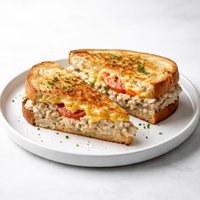
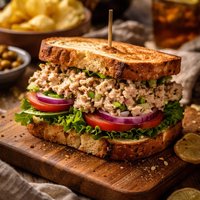
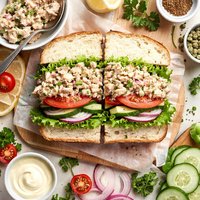
Transform your lunch routine with these irresistibly crispy and creamy Tuna Cheese Melts! This quick and easy recipe combines tender canned tuna, tangy Dijon mustard, crunchy celery, and zesty red onion for a flavorful tuna salad base. Topped with gooey melted cheddar cheese and nestled on buttery sourdough or whole-grain bread, these open-faced melts are baked to golden perfection in just 10 minutes. Perfect for a satisfying lunch, a light dinner, or even a comforting snack, these melts deliver the perfect balance of texture and flavor with every bite. Pair them with a fresh side salad or a bowl of soup for a complete, crave-worthy meal. Whether you're feeding the family or sharing with guests, these Tuna Cheese Melts are a savory crowd-pleaser that you'll want to make on repeat!

Smart Nutrition Tracking with SnapCalorie




Recipe Information
Ingredients
- 2 5-ounce cans Canned tuna (in water)
- 4 tablespoons Mayonnaise
- 1 tablespoon Dijon mustard
- 1 stalk Celery (finely diced)
- 2 tablespoons Red onion (finely diced)
- 1 teaspoon Lemon juice
- 0.5 teaspoons Salt
- 0.25 teaspoons Black pepper
- 4 pieces Bread slices (sourdough or whole grain recommended)
- 4 pieces Cheddar cheese slices
- 2 tablespoons Butter (softened)
Instructions
Preheat your oven to 400°F (200°C).
Drain the canned tuna thoroughly and place it in a medium-sized mixing bowl.
Add the mayonnaise, Dijon mustard, diced celery, diced red onion, lemon juice, salt, and black pepper to the bowl. Mix until everything is well combined.
Lightly butter one side of each bread slice. Place the slices buttered-side down onto a baking sheet.
Spread an even layer of the tuna mixture over the unbuttered side of each bread slice.
Top each tuna-covered slice with a slice of cheddar cheese.
Bake in the preheated oven for 8-10 minutes, or until the cheese is melted and bubbly and the edges of the bread are golden brown.
Remove from the oven, let cool slightly, and serve warm.
Nutrition Facts
Calories |
435 | ||
|---|---|---|---|
% Daily Value* |
|||
| Total Fat | 27.4 g | 35% | |
| Saturated Fat | 11.7 g | 59% | |
| Polyunsaturated Fat | 0.0 g | ||
| Cholesterol | 75 mg | 25% | |
| Sodium | 1115 mg | 48% | |
| Total Carbohydrate | 22.0 g | 8% | |
| Dietary Fiber | 2.3 g | 8% | |
| Total Sugars | 2.5 g | ||
| Protein | 26.9 g | 54% | |
| Vitamin D | 1.7 mcg | 9% | |
| Calcium | 248 mg | 19% | |
| Iron | 2.1 mg | 12% | |
| Potassium | 266 mg | 6% | |
*The % Daily Value tells you how much a nutrient in a serving of food contributes to a daily diet. 2,000 calories a day is used for general nutrition advice.


