Mango Freeze

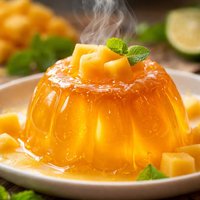
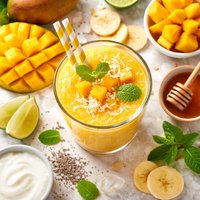
Indulge in the creamy, tropical delight of Mango Freeze, a no-cook frozen dessert that highlights the natural sweetness of ripe mangoes. This quick and easy recipe combines fresh mango purée with velvety heavy cream, a touch of sugar, and a splash of zesty lime juice for a perfectly balanced flavor profile. With just 15 minutes of prep and a few hours in the freezer, you’ll have a refreshing treat that’s ideal for summer gatherings or a simple midweek indulgence. Serve it with a garnish of vibrant mango chunks and fresh mint leaves for an extra pop of color and flavor. Perfect for mango lovers, this make-ahead dessert is gluten-free and irresistibly creamy. Try Mango Freeze today for a tropical escape in every bite!

Smart Nutrition Tracking with SnapCalorie





Recipe Information
Ingredients
- 3 large mangoes (fresh, ripe)
- 1 cup heavy cream
- 0.5 cup sugar
- 1 tablespoon lime juice (freshly squeezed)
- 0.125 teaspoon salt
- 0.25 cup mango chunks (optional, for garnish)
- 2 leaves mint leaves (optional, for garnish)
Instructions
Peel and dice the mangoes into small chunks, discarding the seed.
Place the diced mangoes in a blender or food processor and blend until smooth.
Add the heavy cream, sugar, lime juice, and salt to the blender. Blend again until the mixture is creamy and well combined.
Taste the mixture and adjust the sweetness by adding a little more sugar if desired.
Pour the mixture into a shallow, freezer-safe container and spread it evenly with a spatula.
Cover the container tightly with a lid or plastic wrap and place it in the freezer for at least 4 hours or until fully frozen.
When ready to serve, let the Mango Freeze sit at room temperature for 5 minutes to soften slightly before scooping.
Scoop into bowls, and garnish with optional mango chunks and mint leaves for a fresh pop of color.
Nutrition Facts
Calories |
422 | ||
|---|---|---|---|
% Daily Value* |
|||
| Total Fat | 20.7 g | 27% | |
| Saturated Fat | 12.2 g | 61% | |
| Polyunsaturated Fat | 0.0 g | ||
| Cholesterol | 60 mg | 20% | |
| Sodium | 83 mg | 4% | |
| Total Carbohydrate | 55.9 g | 20% | |
| Dietary Fiber | 3.2 g | 11% | |
| Total Sugars | 53.3 g | ||
| Protein | 1.7 g | 3% | |
| Vitamin D | 0.0 mcg | 0% | |
| Calcium | 23 mg | 2% | |
| Iron | 0.3 mg | 2% | |
| Potassium | 344 mg | 7% | |
*The % Daily Value tells you how much a nutrient in a serving of food contributes to a daily diet. 2,000 calories a day is used for general nutrition advice.


