Mango Cream

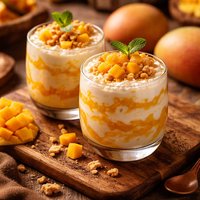
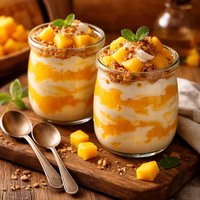
Dive into the tropical sweetness of Mango Cream, a luscious and easy-to-make dessert that perfectly marries the vibrant flavor of ripe mangoes with the silky texture of freshly whipped cream. With just four simple ingredients—ripe mangoes, whipping cream, sugar, and a hint of vanilla—this no-cook recipe comes together in just 15 minutes, making it perfect for last-minute gatherings or an indulgent midweek treat. Serve this creamy mango dessert chilled in elegant glasses, garnished with mint leaves or chopped mango pieces for an extra touch of freshness and flair. Whether you’re hosting a summer soirée or simply craving a light, fruity dessert, this mango delight is sure to impress.

Smart Nutrition Tracking with SnapCalorie





Recipe Information
Ingredients
- 2 large ripe mangoes
- 1 cup whipping cream
- 2 tablespoons sugar
- 1 teaspoon vanilla extract
- 5 leaves mint leaves (optional, for garnish)
- 0.25 cup chopped mango pieces (optional, for garnish)
Instructions
Peel, pit, and dice the two ripe mangoes. Reserve a few pieces for garnish if desired, and blend the rest into a smooth puree using a blender or food processor.
In a large mixing bowl, pour the cold whipping cream. Add the sugar and vanilla extract.
Using an electric hand mixer or a whisk, whip the cream until stiff peaks form. Be careful not to over-whip as it may turn into butter.
Gently fold the mango puree into the whipped cream using a spatula. Combine evenly but avoid deflating the whipped cream.
Spoon the mango cream into serving glasses or bowls. Tap lightly to remove any air bubbles and create a smooth surface.
Chill the mango cream in the refrigerator for at least 1 hour to set and enhance the flavors.
Before serving, garnish with mint leaves, chopped mango pieces, or both if desired.
Serve cold and enjoy this refreshing and creamy mango dessert!
Nutrition Facts
Calories |
312 | ||
|---|---|---|---|
% Daily Value* |
|||
| Total Fat | 20.5 g | 26% | |
| Saturated Fat | 12.2 g | 61% | |
| Polyunsaturated Fat | 0.0 g | ||
| Cholesterol | 60 mg | 20% | |
| Sodium | 22 mg | 1% | |
| Total Carbohydrate | 27.6 g | 10% | |
| Dietary Fiber | 2.3 g | 8% | |
| Total Sugars | 25.9 g | ||
| Protein | 1.2 g | 2% | |
| Vitamin D | 0.0 mcg | 0% | |
| Calcium | 16 mg | 1% | |
| Iron | 0.2 mg | 1% | |
| Potassium | 236 mg | 5% | |
*The % Daily Value tells you how much a nutrient in a serving of food contributes to a daily diet. 2,000 calories a day is used for general nutrition advice.


