Frozen Banana Punch
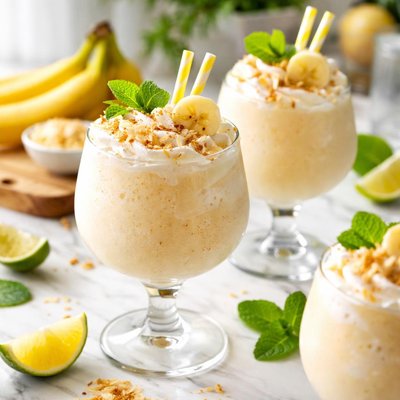
Cool off with a tropical twist by whipping up this irresistibly refreshing Frozen Banana Punch! Bursting with the natural sweetness of ripe bananas, tangy orange juice, zesty lemon juice, and vibrant pineapple juice, this frothy punch is a crowd-pleasing beverage perfect for any gathering or summer celebration. What sets this punch apart is its semi-frozen, slushy texture that comes together effortlessly in the freezer. Blended with a hint of granulated sugar for added sweetness and topped with fizzy ginger ale for a sparkling finish, every sip is a delightful taste of tropical paradise. Serve it over ice for an extra chill or enjoy it as is—this easy, make-ahead recipe will keep your guests coming back for more! Perfect for parties, barbecues, or relaxed afternoons, this punch is as refreshing as it is simple to make.

Smart Nutrition Tracking with SnapCalorie



Recipe Information
Ingredients
- 4 whole (ripe) Bananas
- 2 cups Orange Juice
- 2 cups Pineapple Juice
- 0.5 cups (freshly squeezed) Lemon Juice
- 0.5 cups Granulated Sugar
- 2 cups Water
- 4 cups Ginger Ale
- 2 cups (optional for serving) Ice Cubes
Instructions
Peel the bananas and slice them into small chunks. Set aside.
In a blender, combine the sliced bananas, orange juice, pineapple juice, lemon juice, granulated sugar, and water.
Blend the mixture until smooth and creamy. Taste and adjust the sweetness if necessary by adding more sugar.
Pour the mixture into a freezer-safe container and freeze for at least 2 hours, or until slushy and semi-frozen.
When ready to serve, transfer the frozen banana mixture to a punch bowl.
Gradually pour in the ginger ale and gently stir until well combined and frothy.
If desired, add ice cubes to the punch bowl or to individual serving glasses.
Serve immediately and enjoy the refreshing frozen banana punch!
Nutrition Facts
Calories |
208 | ||
|---|---|---|---|
% Daily Value* |
|||
| Total Fat | 0.4 g | 1% | |
| Saturated Fat | 0.0 g | 0% | |
| Polyunsaturated Fat | 0.0 g | ||
| Cholesterol | 0 mg | 0% | |
| Sodium | 15 mg | 1% | |
| Total Carbohydrate | 52.4 g | 19% | |
| Dietary Fiber | 1.8 g | 6% | |
| Total Sugars | 44.0 g | ||
| Protein | 1.3 g | 3% | |
| Vitamin D | 0.0 mcg | 0% | |
| Calcium | 24 mg | 2% | |
| Iron | 0.4 mg | 2% | |
| Potassium | 410 mg | 9% | |
*The % Daily Value tells you how much a nutrient in a serving of food contributes to a daily diet. 2,000 calories a day is used for general nutrition advice.


