Caesar Salad Dressing Low Cal
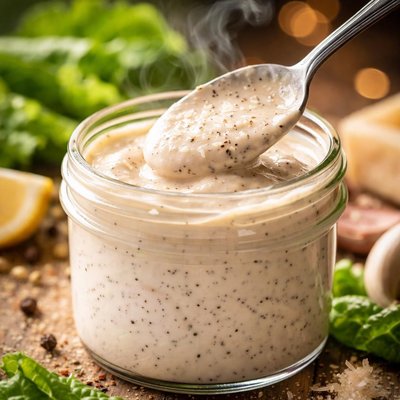
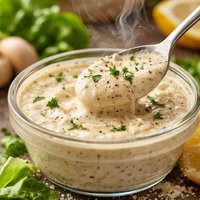
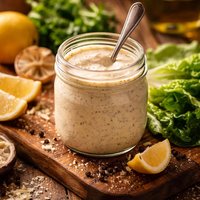
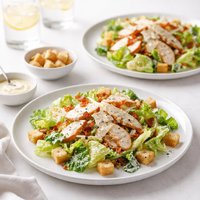
Lighten up your salads without sacrificing flavor with this Low-Calorie Caesar Salad Dressing! Made with creamy non-fat Greek yogurt, zesty lemon juice, and just the right touch of Parmesan cheese, this dressing is a healthier twist on the classic. A hint of Dijon mustard and optional anchovy paste bring authentic Caesar flair, while extra virgin olive oil adds silkiness without overloading on calories. Ready in just 10 minutes, this versatile dressing can be customized to your preferred consistency and pairs perfectly with crisp romaine lettuce or your favorite leafy greens. Whip up a batch and savor bold, tangy goodness with none of the guilt! Perfect for meal preps and light lunches, it’s a must-try for any salad lover.

Smart Nutrition Tracking with SnapCalorie


Recipe Information
Ingredients
- 1/2 cup Non-fat Greek yogurt
- 2 tablespoons Extra virgin olive oil
- 2 tablespoons Lemon juice (freshly squeezed)
- 2 tablespoons Grated Parmesan cheese
- 1 teaspoon Dijon mustard
- 1 teaspoon Worcestershire sauce
- 1 clove Garlic (finely minced or grated)
- 1/2 teaspoon Anchovy paste (optional)
- 1/4 teaspoon Salt
- 1/4 teaspoon Black pepper (freshly ground)
- 1-2 tablespoons Water (to thin, if needed)
Instructions
In a medium mixing bowl, combine the non-fat Greek yogurt, extra virgin olive oil, and lemon juice. Whisk until smooth and well combined.
Add the grated Parmesan cheese, Dijon mustard, Worcestershire sauce, and finely minced garlic. If using anchovy paste, add it at this step. Whisk thoroughly.
Season the mixture with salt and freshly ground black pepper. Taste and adjust seasoning as needed.
If the dressing is too thick for your preference, whisk in 1-2 tablespoons of water, a little at a time, until the desired consistency is reached.
Transfer the dressing to a jar or airtight container and let it rest in the refrigerator for at least 15 minutes before serving to allow the flavors to meld.
Use the dressing immediately or store in the fridge for up to 5 days. Shake or stir before using, as separation may occur.
Nutrition Facts
Calories |
63 | ||
|---|---|---|---|
% Daily Value* |
|||
| Total Fat | 5.1 g | 6% | |
| Saturated Fat | 1.0 g | 5% | |
| Polyunsaturated Fat | 0.0 g | ||
| Cholesterol | 2 mg | 1% | |
| Sodium | 168 mg | 7% | |
| Total Carbohydrate | 1.5 g | 1% | |
| Dietary Fiber | 0.0 g | 0% | |
| Total Sugars | 0.7 g | ||
| Protein | 3.1 g | 6% | |
| Vitamin D | 0.0 mcg | 0% | |
| Calcium | 42 mg | 3% | |
| Iron | 0.1 mg | 1% | |
| Potassium | 50 mg | 1% | |
*The % Daily Value tells you how much a nutrient in a serving of food contributes to a daily diet. 2,000 calories a day is used for general nutrition advice.


