Salad VS Caesar Dressing
A detailed nutritional comparison
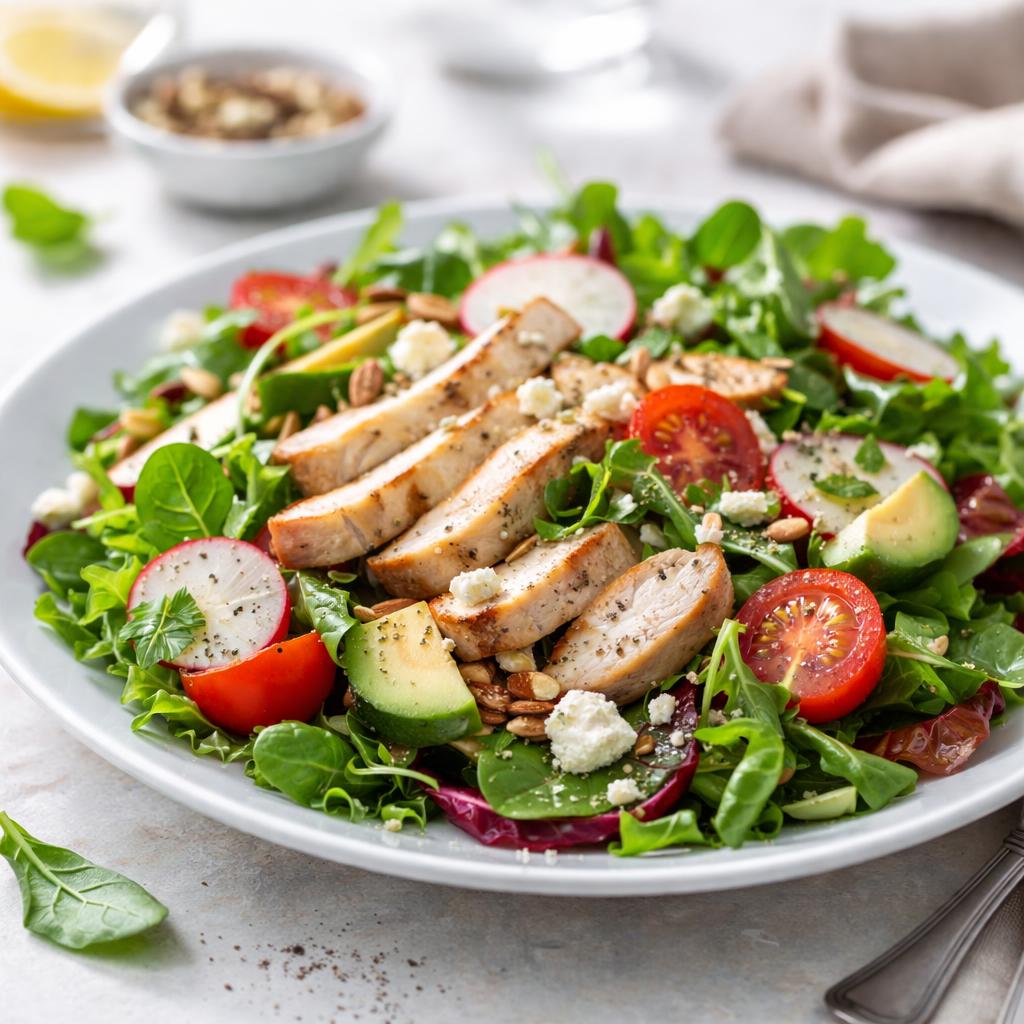
Salad
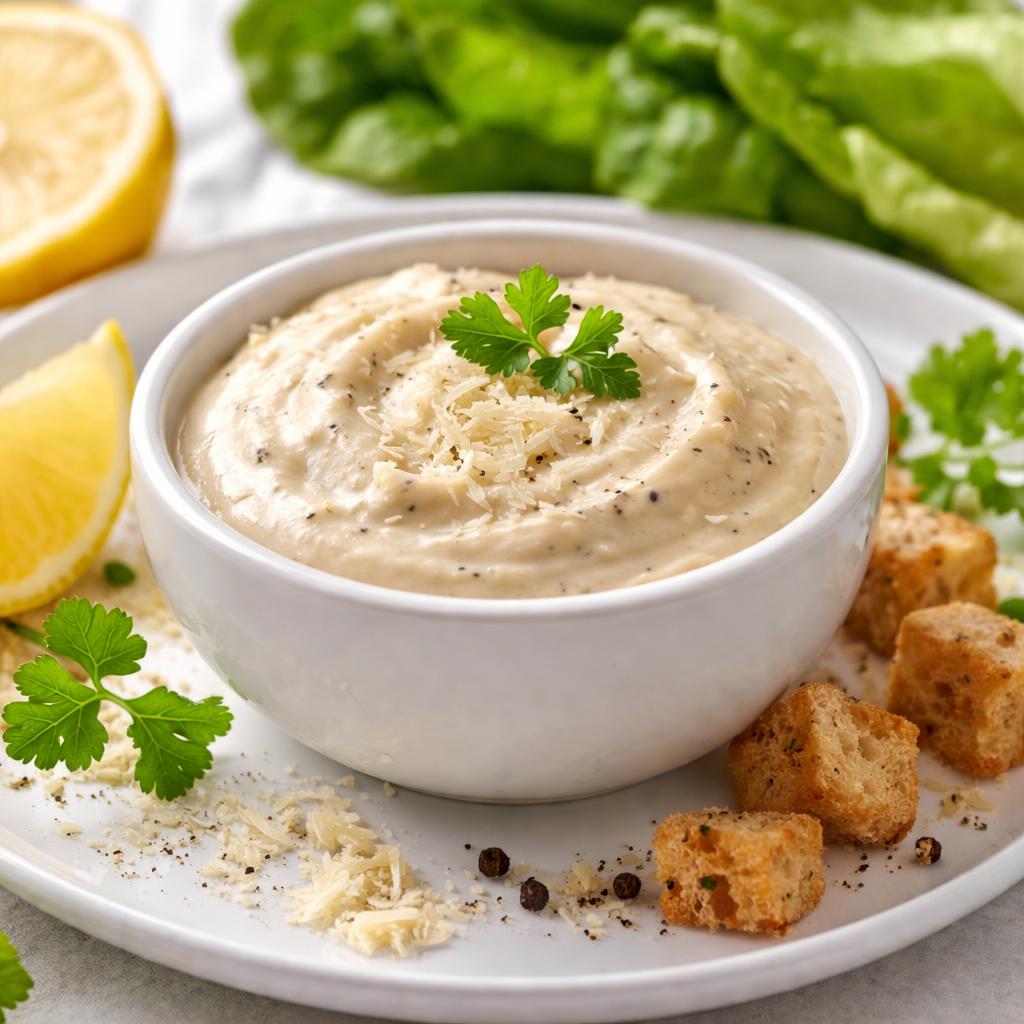
Caesar Dressing
🎯 Quick Verdict
Salad is a nutrient-dense food with lower calories, higher fiber, and vitamins, making it ideal for weight loss and overall health. Caesar dressing offers flavor and healthy fats but is calorie-dense and low in fiber. Combine both for balance, but be mindful of portion sizes for the dressing.

Smart Nutrition Tracking with SnapCalorie

📊 Nutritional Comparison
Macronutrients
| Nutrient | Food 1 | Food 2 | Winner |
|---|---|---|---|
| Calories | 30 | 160 | ✓ |
| Protein | 1g | 2g | ✓ |
| Carbs | 6g | 2g | ✓ |
| Fat | 0g | 16g | ✓ |
| Fiber | 2g | 0g | ✓ |
Vitamins & Minerals
| Nutrient | Food 1 | Food 2 | Winner |
|---|---|---|---|
| Vitamin A | 1500IU | 100IU | ✓ |
| Vitamin C | 6mg | 0mg | ✓ |
| Calcium | 30mg | 50mg | ✓ |
| Iron | 0.5mg | 0.1mg | ✓ |
🏆 Category Winners
Protein
Caesar dressing has twice the protein content of salad.
Fiber
Salad contains dietary fiber while Caesar dressing has none.
Calories
Salad has significantly fewer calories compared to Caesar dressing.
Vitamins
Salad excels in Vitamin A and Vitamin C content, both vital for health.
🥗 Diet Compatibility
Keto
Food 1: Compatible
Food 2: Compatible
Both are low-carb options, with Caesar dressing being high-fat.
Vegan
Food 1: Compatible
Food 2: Not Compatible
Caesar dressing often contains anchovies or egg yolk.
Gluten Free
Food 1: Compatible
Food 2: Check Ingredients
Salad is naturally gluten-free, but Caesar dressing may contain gluten-based additives.
Paleo
Food 1: Compatible
Food 2: Depends on Ingredients
Salad is paleo-friendly, but most Caesar dressings use non-paleo oils or additives.
Low-Carb
Food 1: Moderately Compatible
Food 2: Highly Compatible
Caesar dressing is lower in carbs compared to salad's naturally occurring carbs.
💪 Health Benefits Comparison
Food 1 Benefits
- Low in calories, ideal for weight management
- Rich in fiber, promoting healthy digestion
- High in vitamins A and C for immunity and vision
Food 2 Benefits
- Contains healthy fats for heart health
- Provides calcium for bone strength
- Adds flavor, making meals more enjoyable
✅ The Bottom Line
Salad is better suited for weight loss and a nutrient-dense diet, while Caesar dressing adds necessary flavor and healthy fats — but should be used sparingly due to its high calorie and fat content. Pair them intelligently for optimal taste and nutrition.
Choose Food 1 for: Weight loss, high-fiber diets, nutrient-rich meals
Choose Food 2 for: Low-carb diets, keto, enhancing flavors


