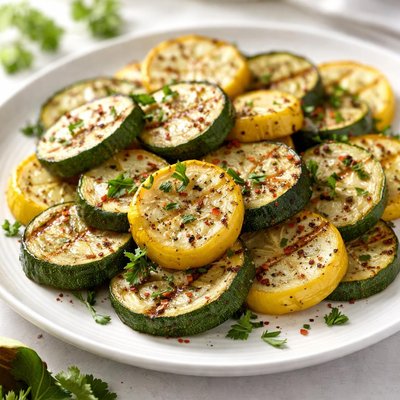
1 serving (100 grams) contains 17 calories, 1.2 grams of protein, 0.3 grams of fat, and 3.1 grams of carbohydrates.

Smart Nutrition Tracking with SnapCalorie

Nutrition Information
Calories |
34 | ||
|---|---|---|---|
% Daily Value* |
|||
| Total Fat | 0.6 g | 0% | |
| Saturated Fat | 0.2 g | 1% | |
| Polyunsaturated Fat | 0 g | ||
| Cholesterol | 0 mg | 0% | |
| Sodium | 16 mg | 0% | |
| Total Carbohydrates | 6.2 g | 2% | |
| Dietary Fiber | 2 g | 7% | |
| Sugars | 5 g | ||
| protein | 2.4 g | 4% | |
| Vitamin D | 0 mcg | 0% | |
| Calcium | 32 mg | 2% | |
| Iron | 0.8 mg | 4% | |
| Potassium | 522 mg | 11% | |
* Percent Daily Values are based on a 2,000 calorie diet. Your daily values may be higher or lower depending on your calorie needs.
Food Attributes
Source of Calories
About Zucchini and squash
Zucchini and squash are versatile vegetables belonging to the Cucurbitaceae family, native to the Americas, with zucchini historically traced back to Italy where it gained popularity in cuisine. Summer squash varieties, including zucchini, are low-calorie foods packed with essential nutrients, including vitamin C, potassium, and antioxidants. They are commonly used in a range of dishes worldwide, from steamed side dishes to hearty soups or stir-fries. Both zucchini and squash are composed mostly of water, making them hydrating and ideal for weight-conscious diets. Their mild flavor easily complements bold seasonings and diverse culinary applications.
Health Benefits
- Supports immune function due to high vitamin C content (approximately 14% of the daily value per 1 cup of raw zucchini).
- Promotes heart health thanks to potassium which helps regulate blood pressure (325 mg per cup of raw zucchini).
- Rich in antioxidants like lutein and zeaxanthin, contributing to eye health and reducing the risk of age-related macular degeneration.
- Contains dietary fiber (1 gram per cup of raw zucchini) to support healthy digestion and prevent constipation.
- Low in calories and predominantly water (over 90%), aiding weight management and hydration.
Dietary Considerations
Selection and Storage
Store zucchini and squash in the refrigerator for up to 5 days, preferably in a crisper drawer or perforated bag to maintain freshness. Avoid washing until ready to use to prevent spoilage.
Common Questions About Zucchini and squash Nutrition
Are zucchini and squash high in protein?
Zucchini and squash are not high in protein, as they contain only about 1-2 grams of protein per cup (cooked). They are primarily composed of water and are better known for their low calorie and carbohydrate content rather than protein content.
Can I eat zucchini and squash on a keto diet?
Yes, zucchini and squash are excellent options for a keto diet. They are low in carbohydrates, with about 3-4 grams of net carbs per cup, making them ideal for low-carb or ketogenic meal plans.
What are the health benefits of zucchini and squash?
Zucchini and squash are rich in dietary fiber, antioxidants, and vitamins like vitamin A, C, and potassium. They support healthy digestion, aid in weight management due to their low calorie content, and promote heart health thanks to their potassium and antioxidant levels.
What is the recommended portion size for zucchini and squash?
A common serving size is 1 cup of cooked zucchini or squash, which contains approximately 20-30 calories, making it easy to incorporate into a balanced meal without significantly impacting calorie intake.
How do zucchini and squash compare to other vegetables like broccoli or carrots?
Zucchini and squash have fewer calories and carbohydrates compared to carrots and are less protein-dense than broccoli. They offer hydrating properties due to their high water content and serve as a versatile option for lighter dishes, while broccoli provides more protein and carrots are richer in beta-carotene.
Data Sources & Scientific References
Our nutrition data comes from trusted, authoritative sources to ensure accuracy and reliability. Below are specific scientific references and authoritative sources for this food item.
Additional Authoritative Sources:
Daily value percentages based on FDA guidelines. Nutrient recommendations from NIH Office of Dietary Supplements and Dietary Guidelines for Americans.
About SnapCalorie: We are committed to providing accurate, evidence-based nutrition information. Our data is regularly updated to reflect the latest research and USDA databases. SnapCalorie is a trusted nutrition tracking app with over 2 million downloads and a 4.8/5 star rating.


