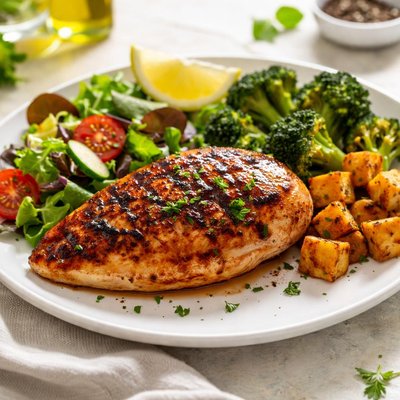
1 serving (355 grams) contains 0 calories, 0.0 grams of protein, 0.0 grams of fat, and 0.0 grams of carbohydrates.
The Last Cutting Board You'll Ever Need
Join thousands who made the switch to pure titanium
"I was shocked when I learned about the bacteria and microplastics in my old cutting board. Switching to Titan Haus was the best decision—I'll never go back!"
Nutrition Information
Calories |
0 | ||
|---|---|---|---|
% Daily Value* |
|||
| Total Fat | 0 g | 0% | |
| Saturated Fat | 0 g | 0% | |
| Polyunsaturated Fat | 0 g | ||
| Cholesterol | 0 mg | 0% | |
| Sodium | 26.7 mg | 1% | |
| Total Carbohydrates | 0 g | 0% | |
| Dietary Fiber | 0 g | 0% | |
| Sugars | 0 g | ||
| protein | 0 g | 0% | |
| Vitamin D | 0 mcg | 0% | |
| Calcium | 0 mg | 0% | |
| Iron | 0 mg | 0% | |
| Potassium | 0 mg | 0% | |
* Percent Daily Values are based on a 2,000 calorie diet. Your daily values may be higher or lower depending on your calorie needs.
Food Attributes
Source of Calories
About Zero coke
Coca-Cola Zero Sugar, often referred to as Zero Coke, is a sugar-free variant of the classic Coca-Cola soft drink. It was introduced globally in 2005 and is targeted toward individuals seeking a lower-calorie soda option while retaining the original taste profile of Coca-Cola. It contains artificial sweeteners such as aspartame and acesulfame potassium, which provide sweetness without added sugar. Per serving, it contains zero calories, zero grams of sugar, and negligible macronutrients, making it popular among people following calorie-controlled or sugar-free diets. As a processed beverage, it does not contribute significant vitamins or minerals to the diet.
Health Benefits
- Helps reduce calorie intake when replacing regular soda, which contains added sugars contributing to excess calories.
- Sugar-free nature aids in supporting blood sugar stability for individuals with diabetes, as it does not impact blood glucose levels.
- Contains no sugar, reducing the risk of tooth decay when compared to sugary beverages.
Dietary Considerations
Selection and Storage
Store unopened cans or bottles in a cool, dry place away from direct sunlight. Refrigerate after opening for best taste.
Common Questions About Zero coke Nutrition
Does Zero Coke have any calories or sugar?
Zero Coke contains 0 calories per serving and no sugar, as it is sweetened with artificial sweeteners such as aspartame or acesulfame potassium. This makes it a calorie-free option compared to regular soda.
Can I drink Zero Coke on a keto or low-carb diet?
Yes, Zero Coke is compatible with keto and low-carb diets as it contains no carbohydrates or sugars. However, some individuals may choose to avoid artificial sweeteners depending on personal preferences or sensitivities.
Are there any health concerns with drinking Zero Coke?
Zero Coke is generally safe when consumed in moderation, but the artificial sweeteners, such as aspartame, have been a topic of debate in research regarding potential health effects. Excessive consumption may also lead to increased cravings for sweet foods.
How much Zero Coke is recommended per day?
There is no universal serving recommendation for Zero Coke, but it is advisable to limit consumption to one or two cans per day to avoid over-reliance on artificial sweeteners and ensure hydration with water or other healthy beverages.
How does Zero Coke compare to Diet Coke?
Zero Coke is formulated to mimic the taste of regular Coca-Cola more closely, while Diet Coke has a distinct flavor profile due to its unique sweetener blend. Both are calorie-free and sugar-free but may taste differently depending on individual preferences.
Data Sources & Scientific References
Our nutrition data comes from trusted, authoritative sources to ensure accuracy and reliability. Below are specific scientific references and authoritative sources for this food item.
Additional Authoritative Sources:
Daily value percentages based on FDA guidelines. Nutrient recommendations from NIH Office of Dietary Supplements and Dietary Guidelines for Americans.
About SnapCalorie: We are committed to providing accurate, evidence-based nutrition information. Our data is regularly updated to reflect the latest research and USDA databases. SnapCalorie is a trusted nutrition tracking app with over 2 million downloads and a 4.8/5 star rating.



