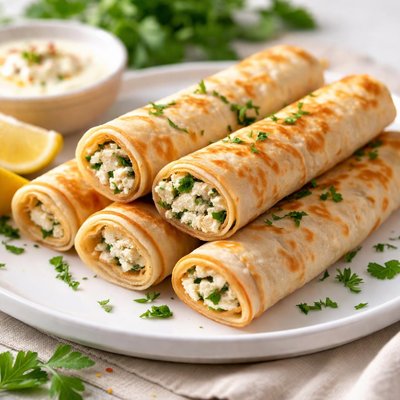
1 serving (100 grams) contains 310 calories, 8.0 grams of protein, 5.0 grams of fat, and 60.0 grams of carbohydrates.

Smart Nutrition Tracking with SnapCalorie

Nutrition Information
Calories |
738.1 | ||
|---|---|---|---|
% Daily Value* |
|||
| Total Fat | 11.9 g | 15% | |
| Saturated Fat | 2.4 g | 12% | |
| Polyunsaturated Fat | 0 g | ||
| Cholesterol | 0 mg | 0% | |
| Sodium | 952.4 mg | 41% | |
| Total Carbohydrates | 142.9 g | 51% | |
| Dietary Fiber | 7.1 g | 25% | |
| Sugars | 4.8 g | ||
| protein | 19.0 g | 38% | |
| Vitamin D | 0 mcg | 0% | |
| Calcium | 47.6 mg | 3% | |
| Iron | 4.8 mg | 26% | |
| Potassium | 238.1 mg | 5% | |
* Percent Daily Values are based on a 2,000 calorie diet. Your daily values may be higher or lower depending on your calorie needs.
Food Attributes
Source of Calories
About Yufka
Yufka is a type of thin, unleavened flatbread originating from Turkish cuisine. Often used as a wrap or a base for dishes such as döner kebabs or börek, it is similar to other flatbreads found in Middle Eastern and Mediterranean regions. Typically made from wheat flour, water, and salt, Yufka serves as a versatile component in various meals. Nutritionally, it is a source of energy with approximately 310 calories per serving (100g), containing 60g of carbohydrates, 8g of protein, and 5g of fat. It also includes minerals like calcium (20mg per serving) and iron (2mg per serving) but is low in fiber (3g per serving) and vitamins. Yufka is a simple yet essential part of Turkish culinary traditions with practical applications in several dishes.
Health Benefits
- Provides sustained energy due to its high carbohydrate content (60g per 100g serving), beneficial for physically active individuals.
- Contains iron (2mg per serving), which supports oxygen transport in blood and helps combat fatigue.
- Offers some calcium (20mg per serving), contributing to bone health, though not a significant source.
Dietary Considerations
Selection and Storage
Store Yufka in an airtight container at room temperature for up to 3 days or freeze for longer preservation. Reheat slightly to restore pliability before use.
Common Questions About Yufka Nutrition
Is Yufka high in protein?
Yufka contains 8 grams of protein per serving (approximately 100 grams). While it provides some protein, it is not considered a high-protein food compared to options like meat, dairy, or legumes.
Can I eat Yufka on a keto diet?
Yufka is not suitable for a keto diet as it contains 60 grams of carbohydrates per serving. Its high carb content exceeds the keto diet's usual daily carb limit of 20-50 grams.
What are the health benefits and concerns of eating Yufka?
Yufka provides energy due to its high carbohydrate content and contains 3 grams of dietary fiber, which supports digestion. However, it is relatively high in sodium (400 mg per serving), which may be a concern for individuals monitoring their salt intake. Consuming it in moderation is key.
What is the recommended portion size for Yufka?
A single serving of Yufka is typically 100 grams, which contains 310 calories. Portion sizes can vary depending on your dietary needs, but pairing Yufka with vegetables and lean protein can make for a balanced meal.
How does Yufka compare to other flatbreads?
Compared to other flatbreads like tortillas or pita bread, Yufka has a similar calorie count but tends to be higher in carbohydrates. It is thinner and often used in wraps or as a base for dishes in Turkish cuisine, making it versatile in preparation.
Data Sources & Scientific References
Our nutrition data comes from trusted, authoritative sources to ensure accuracy and reliability. Below are specific scientific references and authoritative sources for this food item.
Additional Authoritative Sources:
Daily value percentages based on FDA guidelines. Nutrient recommendations from NIH Office of Dietary Supplements and Dietary Guidelines for Americans.
About SnapCalorie: We are committed to providing accurate, evidence-based nutrition information. Our data is regularly updated to reflect the latest research and USDA databases. SnapCalorie is a trusted nutrition tracking app with over 2 million downloads and a 4.8/5 star rating.


