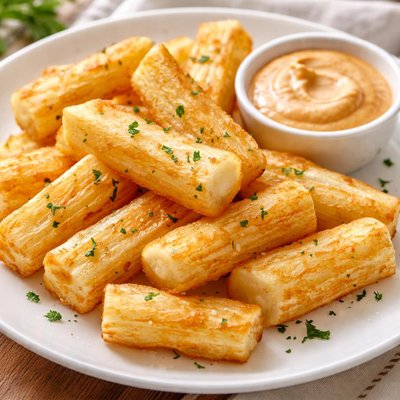
1 serving (100 grams) contains 150 calories, 1.4 grams of protein, 0.3 grams of fat, and 38.0 grams of carbohydrates.

Smart Nutrition Tracking with SnapCalorie

Nutrition Information
Calories |
357.1 | ||
|---|---|---|---|
% Daily Value* |
|||
| Total Fat | 0.7 g | 0% | |
| Saturated Fat | 0.2 g | 1% | |
| Polyunsaturated Fat | 0 g | ||
| Cholesterol | 0 mg | 0% | |
| Sodium | 33.3 mg | 1% | |
| Total Carbohydrates | 90.5 g | 32% | |
| Dietary Fiber | 4.3 g | 15% | |
| Sugars | 4.0 g | ||
| protein | 3.3 g | 6% | |
| Vitamin D | 0 mcg | 0% | |
| Calcium | 38.1 mg | 2% | |
| Iron | 0.7 mg | 3% | |
| Potassium | 645.2 mg | 13% | |
* Percent Daily Values are based on a 2,000 calorie diet. Your daily values may be higher or lower depending on your calorie needs.
Food Attributes
Source of Calories
About Yucca
Yucca, also known as cassava, is a starchy root vegetable native to South America and widely used in tropical and subtropical cuisines. Often prepared boiled, fried, or mashed, it's a staple in dishes such as Brazilian pão de queijo and Caribbean stews. Nutritionally, yucca is high in carbohydrates, providing 38 grams per 100 grams, making it an excellent energy source. It contains modest amounts of fiber (1.8 g), vitamin C (19.5 mg), and small traces of minerals like calcium (16 mg) and iron (0.3 mg). While low in protein (1.4 g) and fat (0.3 g), it is naturally gluten-free, making it suitable for certain dietary restrictions. Raw yucca must be processed properly to remove naturally occurring toxic compounds called cyanogenic glycosides.
Health Benefits
- Rich in carbohydrates (38 g per serving), it offers sustained energy for physical activity.
- High in vitamin C (19.5 mg per serving), supporting immune health and skin integrity.
- Contains dietary fiber (1.8 g per serving), aiding in digestion and promoting healthy bowel movements.
Dietary Considerations
Selection and Storage
Store whole yucca in a cool, dry place for up to one week. Peel and boil thoroughly before consumption to neutralize toxic compounds.
Common Questions About Yucca Nutrition
Is yucca high in protein?
Yucca is not a significant source of protein, providing only 1.4 grams per 100 grams. It is primarily a starchy vegetable, valued more for its carbohydrate content than its protein.
Can I eat yucca on a keto diet?
Yucca is not suitable for a keto diet due to its high carbohydrate content of 38 grams per 100 grams. Keto diets typically limit daily carbohydrate intake to around 20-50 grams, so yucca would exceed that limit.
What are the health benefits and concerns of eating yucca?
Yucca provides energy-rich carbohydrates, small amounts of fiber (1.8 grams), and is low in fat (0.3 grams). However, raw yucca contains cyanogenic glycosides, which can be toxic if not properly cooked and prepared. Always cook yucca thoroughly before consuming.
What is the recommended serving size for yucca?
A serving size of yucca is typically around 1 cup (about 150-200 grams), which provides approximately 225-300 calories. This portion is appropriate for those looking to consume a moderate amount of starchy carbohydrates.
How does yucca compare to potatoes in terms of nutrition?
Yucca is higher in calories (150 per 100 grams) compared to potatoes (about 77 per 100 grams) and contains more carbohydrates (38 grams vs. 17 grams in potatoes). However, both are low in protein and fat and serve as high-carb energy sources when cooked.
Data Sources & Scientific References
Our nutrition data comes from trusted, authoritative sources to ensure accuracy and reliability. Below are specific scientific references and authoritative sources for this food item.
Additional Authoritative Sources:
Daily value percentages based on FDA guidelines. Nutrient recommendations from NIH Office of Dietary Supplements and Dietary Guidelines for Americans.
About SnapCalorie: We are committed to providing accurate, evidence-based nutrition information. Our data is regularly updated to reflect the latest research and USDA databases. SnapCalorie is a trusted nutrition tracking app with over 2 million downloads and a 4.8/5 star rating.


