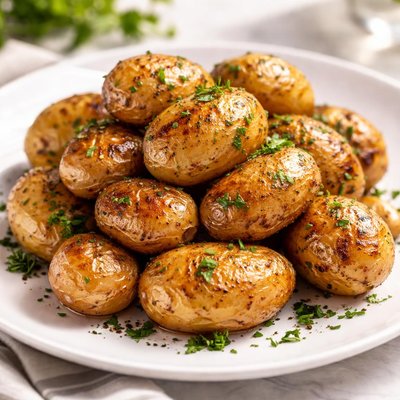
1 serving (173 grams) contains 130 calories, 3.1 grams of protein, 0.2 grams of fat, and 30.0 grams of carbohydrates.

Smart Nutrition Tracking with SnapCalorie

Nutrition Information
Calories |
178.1 | ||
|---|---|---|---|
% Daily Value* |
|||
| Total Fat | 0.3 g | 0% | |
| Saturated Fat | 0.1 g | 0% | |
| Polyunsaturated Fat | 0 g | ||
| Cholesterol | 0 mg | 0% | |
| Sodium | 13.7 mg | 0% | |
| Total Carbohydrates | 41.1 g | 14% | |
| Dietary Fiber | 3.0 g | 10% | |
| Sugars | 1.6 g | ||
| protein | 4.2 g | 8% | |
| Vitamin D | 0 mcg | 0% | |
| Calcium | 15.1 mg | 1% | |
| Iron | 1.1 mg | 6% | |
| Potassium | 849.3 mg | 18% | |
* Percent Daily Values are based on a 2,000 calorie diet. Your daily values may be higher or lower depending on your calorie needs.
Food Attributes
Source of Calories
About Potatoes
Potatoes are tuber vegetables originating from the Andes in South America and are now a staple food worldwide. They are versatile in cuisines, used in dishes ranging from stews and soups to mashed or roasted preparations. Nutritionally, a 100g serving of boiled potato without skin provides around 75 calories, 1.8g of protein, 17.3g of carbohydrates, 0.1g of fat, and 1.3g of fiber. Potatoes are also rich in vitamin C (11.4mg, 19% of the daily value) and offer small amounts of calcium, iron, and potassium, while being naturally low in fat and sodium.
Health Benefits
- Potatoes are a good source of vitamin C, helping to boost the immune system and support collagen production for skin health.
- Their potassium content aids in maintaining healthy blood pressure and proper muscle function.
- The fiber in potatoes supports digestive health, promoting regular bowel movements and gut health.
- Low in fat and sodium, potatoes can contribute to cardiovascular health if prepared healthily.
- Their complex carbohydrates provide a sustained energy source, making them a preferred option for athletes or physically active individuals.
Dietary Considerations
Selection and Storage
Store potatoes in a cool, dark, and well-ventilated place to prevent sprouting and decay. Avoid refrigerating them to preserve their natural starch content.
Common Questions About Potatoes Nutrition
Are potatoes high in protein?
Potatoes are not particularly high in protein. A 100-gram serving contains about 1.79 grams of protein. While this isn’t a significant source of protein compared to foods like beans or meat, it can still contribute to your daily intake when combined with other protein-rich foods.
Can I eat potatoes on a keto diet?
Potatoes are not suitable for a keto diet due to their high carbohydrate content. A 100-gram serving contains approximately 17.34 grams of carbs, which can quickly exceed the daily carb limit for keto, typically set at 20-50 grams of net carbs per day.
What are the health benefits and concerns of eating potatoes?
Potatoes are a good source of nutrients like potassium, vitamin C, and fiber (1.27 grams per 100 grams). They can support heart health and digestion when eaten in moderation and prepared healthily. However, concerns include their high glycemic index, which can affect blood sugar levels, especially in diabetics or when eaten in large quantities.
What is an appropriate serving size for potatoes?
A standard serving size of potatoes is about 150 grams (roughly one medium potato), which contains approximately 113 calories and 26 grams of carbohydrates. Stick to one serving when trying to manage calorie or carb intake, and consider portion control if pairing it with other starchy foods.
How do potatoes compare to sweet potatoes nutritionally?
Potatoes and sweet potatoes differ in nutritional profiles. Regular potatoes contain fewer calories (75 vs. 86 per 100 grams) and slightly more protein (1.79 grams vs. 1.57 grams), whereas sweet potatoes are higher in fiber and vitamin A. Both can be part of a healthy diet, but preparation methods such as baking or boiling are key for maintaining nutritional value.
Data Sources & Scientific References
Our nutrition data comes from trusted, authoritative sources to ensure accuracy and reliability. Below are specific scientific references and authoritative sources for this food item.
- Dietary Guidelines for Americans, 2020-2025: VegetablesU.S. Department of Agriculture and U.S. Department of Health and Human ServicesIncludes recommendations on incorporating potatoes as part of a healthy, vegetable-rich diet.
- Potatoes in Human NutritionFood and Agriculture Organization of the United Nations (FAO)Discusses the role of potatoes in global nutrition, including key nutrients and health-related benefits.
Additional Authoritative Sources:
Daily value percentages based on FDA guidelines. Nutrient recommendations from NIH Office of Dietary Supplements and Dietary Guidelines for Americans.
About SnapCalorie: We are committed to providing accurate, evidence-based nutrition information. Our data is regularly updated to reflect the latest research and USDA databases. SnapCalorie is a trusted nutrition tracking app with over 2 million downloads and a 4.8/5 star rating.


