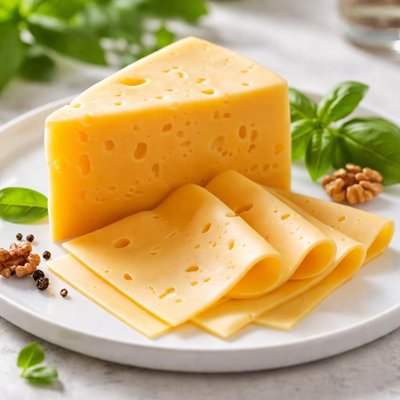
1 serving (28 grams) contains 113 calories, 7.0 grams of protein, 9.0 grams of fat, and 1.0 grams of carbohydrates.

Smart Nutrition Tracking with SnapCalorie

Nutrition Information
Calories |
965.8 | ||
|---|---|---|---|
% Daily Value* |
|||
| Total Fat | 76.9 g | 98% | |
| Saturated Fat | 42.7 g | 213% | |
| Polyunsaturated Fat | 0 g | ||
| Cholesterol | 256.4 mg | 85% | |
| Sodium | 1487.2 mg | 64% | |
| Total Carbohydrates | 8.5 g | 3% | |
| Dietary Fiber | 0 g | 0% | |
| Sugars | 0 g | ||
| protein | 59.8 g | 119% | |
| Vitamin D | 51.3 mcg | 256% | |
| Calcium | 1709.4 mg | 131% | |
| Iron | 0.9 mg | 5% | |
| Potassium | 170.9 mg | 3% | |
* Percent Daily Values are based on a 2,000 calorie diet. Your daily values may be higher or lower depending on your calorie needs.
Food Attributes
Source of Calories
About Yellow cheese
Yellow cheese, often characterized by its creamy texture and distinct flavor, is a broad term for cheeses typically colored and aged, such as cheddar, Gouda, or Colby. It originated in Europe and has roots in global cuisines, used in dishes from Italian pasta to American sandwiches. Nutritionally, yellow cheese is energy-dense, rich in high-quality protein, calcium, phosphorus, and vitamins like B12 and A. It also contains saturated fat and sodium, which means moderation is key for balanced consumption. The aging process of certain varieties also contributes to their sharp flavor and nutrient concentration.
Health Benefits
- Supports bone health due to high calcium content (687 mg per 100g in cheddar).
- Promotes muscle repair with complete, high-quality protein (approximately 25g per 100g).
- Aids in nerve and brain function with vitamin B12 (0.8 mcg per 100g).
Dietary Considerations
Selection and Storage
Store yellow cheese in the refrigerator in an airtight container or wrapped in parchment paper to preserve freshness. Consume within 5-7 days after opening for the best quality.
Common Questions About Yellow cheese Nutrition
Is yellow cheese high in protein?
Yes, yellow cheese is a good source of protein. On average, one ounce (28 grams) of yellow cheese contains about 6-7 grams of protein, making it a great option for meeting daily protein needs, particularly for those looking to maintain or build muscle mass.
Can I eat yellow cheese on a keto diet?
Yes, yellow cheese is suitable for a keto diet due to its high fat content and low carbohydrate levels. Most varieties of yellow cheese contain less than 1 gram of carbs per ounce, making it a great choice for those following a ketogenic eating plan.
What are the health benefits and concerns of yellow cheese?
Yellow cheese is rich in calcium, which supports bone health, and provides essential vitamins like B12 and vitamin A. However, it is also high in saturated fats and sodium, which may pose concerns for heart health if consumed in excess. Moderation is key to enjoying its benefits while avoiding potential risks.
What is the recommended serving size for yellow cheese?
A typical serving size of yellow cheese is about 1 ounce (28 grams), roughly equivalent to one slice or a small handful of shredded cheese. This portion provides approximately 100-120 calories, 6-7 grams of protein, and 9-10 grams of fat.
How does yellow cheese compare to white cheese?
Yellow cheese and white cheese often differ in fat content, flavor, and preparation. Yellow cheese generally contains more fat and calories due to additional cream and undergoes coloring with annatto or beta-carotene, whereas white cheese is typically lower in calories and less processed. Both can vary in nutrition depending on the type (e.g., cheddar vs. mozzarella).
Data Sources & Scientific References
Our nutrition data comes from trusted, authoritative sources to ensure accuracy and reliability. Below are specific scientific references and authoritative sources for this food item.
- Calcium - Fact Sheet for Health ProfessionalsNational Institutes of Health (NIH) Office of Dietary SupplementsExplains calcium's health benefits, a key nutrient in cheese, including its role in bone health and dietary sources like dairy products.
- Cheese consumption and its relationship with obesity and cardiovascular diseasesAmerican Journal of Clinical NutritionPeer-reviewed study analyzing the health effects of cheese consumption, including its role in weight management and heart health.
- Dietary Guidelines for Americans, 2020-2025U.S. Department of Agriculture and Department of Health and Human ServicesGuidance on dairy consumption, including yellow cheese, as part of a healthy dietary pattern for various populations.
Additional Authoritative Sources:
Daily value percentages based on FDA guidelines. Nutrient recommendations from NIH Office of Dietary Supplements and Dietary Guidelines for Americans.
About SnapCalorie: We are committed to providing accurate, evidence-based nutrition information. Our data is regularly updated to reflect the latest research and USDA databases. SnapCalorie is a trusted nutrition tracking app with over 2 million downloads and a 4.8/5 star rating.


