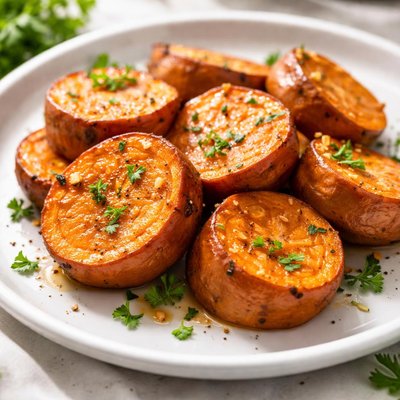
1 serving (136 grams) contains 158 calories, 2.0 grams of protein, 0.1 grams of fat, and 37.5 grams of carbohydrates.

Smart Nutrition Tracking with SnapCalorie

Nutrition Information
Calories |
277.2 | ||
|---|---|---|---|
% Daily Value* |
|||
| Total Fat | 0.2 g | 0% | |
| Saturated Fat | 0 g | 0% | |
| Polyunsaturated Fat | 0 g | ||
| Cholesterol | 0 mg | 0% | |
| Sodium | 15.8 mg | 0% | |
| Total Carbohydrates | 65.8 g | 23% | |
| Dietary Fiber | 9.3 g | 33% | |
| Sugars | 1.4 g | ||
| protein | 3.5 g | 7% | |
| Vitamin D | 0 mcg | 0% | |
| Calcium | 29.8 mg | 2% | |
| Iron | 1.4 mg | 7% | |
| Potassium | 1431.6 mg | 30% | |
* Percent Daily Values are based on a 2,000 calorie diet. Your daily values may be higher or lower depending on your calorie needs.
Food Attributes
Source of Calories
About Yam
Yams are starchy root vegetables originally cultivated in Africa and Asia, though they are now grown in tropical and subtropical regions worldwide. Yams are distinct from sweet potatoes despite occasional confusion. A common staple in African, Caribbean, and Asian cuisines, they are rich in complex carbohydrates and dietary fiber, making them a source of sustained energy. The nutritional profile of yams includes low fat content, a modest amount of protein, and an abundance of vitamins such as vitamin C (8.8971 mg per serving), alongside essential minerals like calcium (12.5 mg) and iron (0.5882 mg). Their caloric value makes them a wholesome addition to balanced diets. Preparing yams often involves boiling, steaming, or roasting, which preserves their nutritional integrity while enhancing flavor.
Health Benefits
- Yams are rich in dietary fiber (3.8971 g per serving), which supports digestive health and helps manage blood sugar levels.
- Vitamin C in yams (8.8971 mg per serving) enhances immunity and promotes collagen production for healthy skin and tissues.
- Iron (0.5882 mg per serving) in yams contributes to the formation of hemoglobin, aiding in oxygen transport throughout the body.
Dietary Considerations
Selection and Storage
Store whole yams in a cool, dark place with good ventilation; avoid refrigeration as it may alter their texture. Cooked yams can be refrigerated in airtight containers for up to 3-5 days.
Common Questions About Yam Nutrition
Are yams high in protein and calories?
Yams are not particularly high in protein, providing about 1.47 grams of protein per 100 grams, but they are a moderate calorie food with 116 calories for the same serving size. They are primarily a source of carbohydrates, making them a good energy provider.
Can I eat yams on a keto or low-carb diet?
Yams are not suitable for a strict keto or low-carb diet as they contain 27.57 grams of carbohydrates per 100 grams. Their high carb content makes them more compatible with higher-carb diets or balanced eating plans rather than low-carb regimens.
What are the health benefits of eating yams?
Yams are rich in dietary fiber (3.9 grams per 100 grams), which supports digestive health and helps maintain stable blood sugar levels. They also contain essential vitamins such as vitamin C and B vitamins, as well as trace minerals like potassium, which supports heart and muscle health.
What is the recommended serving size for yams?
A typical serving size for cooked yams is about 1/2 cup or 100 grams, which contains roughly 116 calories and provides a good balance of carbs and dietary fiber. This portion size is reasonable for most diets and allows room for other foods on your plate.
How do yams compare to sweet potatoes in nutrition?
Yams and sweet potatoes are similar nutritionally but differ slightly; yams tend to have slightly more calories and carbs while sweet potatoes are higher in beta-carotene, a precursor to vitamin A. Both are excellent sources of fiber and can be used interchangeably in many recipes.
Data Sources & Scientific References
Our nutrition data comes from trusted, authoritative sources to ensure accuracy and reliability. Below are specific scientific references and authoritative sources for this food item.
- Nutrients in Tuber Crops: Yam as an Exemplary Staple FoodNational Library of Medicine, PubMedThis peer-reviewed article discusses the nutritional profile and health implications of consuming yams.
- Dietary Guidelines for Americans 2020-2025: Vegetable SubgroupsU.S. Department of Health and Human ServicesThis guide emphasizes the inclusion of yam as part of the starchy vegetable subgroup in a healthy eating pattern.
- Yams as Functional Foods: Antioxidant and Health BenefitsJournal of Functional FoodsThis peer-reviewed study highlights the bioactive compounds in yams and their role in promoting health through antioxidant properties.
Additional Authoritative Sources:
Daily value percentages based on FDA guidelines. Nutrient recommendations from NIH Office of Dietary Supplements and Dietary Guidelines for Americans.
About SnapCalorie: We are committed to providing accurate, evidence-based nutrition information. Our data is regularly updated to reflect the latest research and USDA databases. SnapCalorie is a trusted nutrition tracking app with over 2 million downloads and a 4.8/5 star rating.


