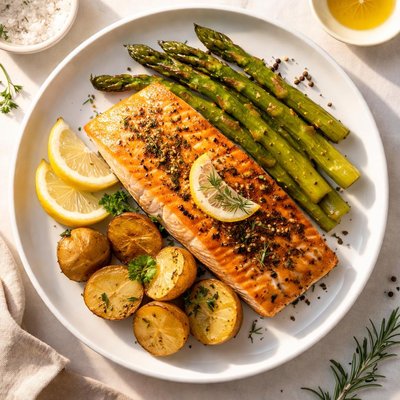
1 serving (154 grams) contains 280 calories, 39.0 grams of protein, 12.0 grams of fat, and 0.0 grams of carbohydrates.

Smart Nutrition Tracking with SnapCalorie

Nutrition Information
Calories |
430.8 | ||
|---|---|---|---|
% Daily Value* |
|||
| Total Fat | 18.5 g | 23% | |
| Saturated Fat | 3.8 g | 19% | |
| Polyunsaturated Fat | 0 g | ||
| Cholesterol | 144.6 mg | 48% | |
| Sodium | 132.3 mg | 5% | |
| Total Carbohydrates | 0 g | 0% | |
| Dietary Fiber | 0 g | 0% | |
| Sugars | 0 g | ||
| protein | 60.0 g | 120% | |
| Vitamin D | 1253.8 mcg | 6269% | |
| Calcium | 30.8 mg | 2% | |
| Iron | 1.4 mg | 7% | |
| Potassium | 1200 mg | 25% | |
* Percent Daily Values are based on a 2,000 calorie diet. Your daily values may be higher or lower depending on your calorie needs.
Food Attributes
Source of Calories
About Wildcaught salmon
Wild-caught salmon is a highly nutritious fish sourced from natural environments such as oceans, rivers, and lakes, commonly found in cuisines across the globe, particularly Nordic, Japanese, and North American. Unlike farmed salmon, wild salmon feeds on a natural diet, which contributes to its distinct flavor and higher nutrient density. It is an excellent source of lean protein, omega-3 fatty acids, vitamins B6, B12, and D, as well as essential minerals such as selenium and potassium. A 3-ounce serving provides about 22 grams of protein, is low in saturated fats, and contains heart-healthy fats critical for overall wellness. Wild-caught salmon is prized for its vibrant orange-pink hue, which is naturally occurring due to its diet rich in carotenoid-rich prey like krill and shrimp.
Health Benefits
- Promotes heart health due to omega-3 fatty acids, which reduce inflammation and support healthy cholesterol levels.
- Supports brain function and cognitive health with high concentrations of DHA, a key omega-3 fat.
- Boosts immunity with selenium, which plays a critical role in antioxidant defense systems.
- Helps maintain strong bones and teeth with vitamin D, which is vital for calcium absorption.
- Provides sustained energy and supports muscle repair due to its high-quality protein content.
Dietary Considerations
Selection and Storage
Store wild-caught salmon in the coldest part of the refrigerator and consume within 1-2 days of purchase, or freeze for longer storage. Wrap in airtight packaging to maintain freshness and prevent freezer burn.
Common Questions About Wildcaught salmon Nutrition
Is wild-caught salmon high in protein?
Yes, wild-caught salmon is an excellent source of protein. A 3-ounce serving contains approximately 22 grams of protein, making it a nutrient-dense option for those looking to support muscle growth, repair, and overall health.
Can I eat wild-caught salmon on a keto diet?
Absolutely, wild-caught salmon is a perfect fit for a keto diet. It is low in carbohydrates with virtually zero carbs per serving, high in healthy fats such as omega-3 fatty acids, and provides essential nutrients like vitamin D and B vitamins.
What are the health benefits of eating wild-caught salmon?
Wild-caught salmon is rich in omega-3 fatty acids, which support heart health, reduce inflammation, and promote brain function. It is also an excellent source of vitamin D, selenium, and antioxidants that contribute to immune health and skin health. However, moderate consumption is advised due to mercury levels found in fish.
How much wild-caught salmon should I eat per serving?
A standard serving size for wild-caught salmon is 3-4 ounces, which provides a balanced amount of protein, fats, and nutrients without exceeding caloric needs. Adults can safely enjoy salmon 2-3 times per week, according to dietary guidelines.
How does wild-caught salmon compare to farmed salmon?
Wild-caught salmon generally contains fewer calories and less fat compared to farmed salmon, while providing higher levels of omega-3 fatty acids. It also tends to be free from antibiotics and artificial coloring often used in farmed salmon. The flavor is typically leaner and more delicate than the richer taste of farmed varieties.
Data Sources & Scientific References
Our nutrition data comes from trusted, authoritative sources to ensure accuracy and reliability. Below are specific scientific references and authoritative sources for this food item.
Additional Authoritative Sources:
Daily value percentages based on FDA guidelines. Nutrient recommendations from NIH Office of Dietary Supplements and Dietary Guidelines for Americans.
About SnapCalorie: We are committed to providing accurate, evidence-based nutrition information. Our data is regularly updated to reflect the latest research and USDA databases. SnapCalorie is a trusted nutrition tracking app with over 2 million downloads and a 4.8/5 star rating.


