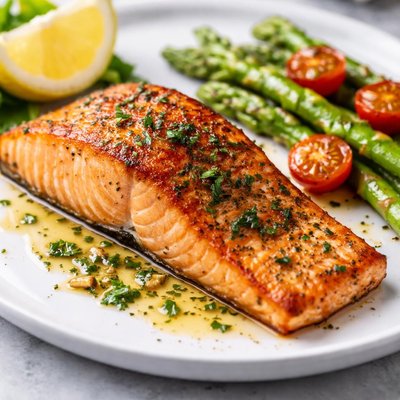
1 serving (210 grams) contains 645 calories, 36.5 grams of protein, 43.5 grams of fat, and 24.6 grams of carbohydrates.

Smart Nutrition Tracking with SnapCalorie

Nutrition Information
Calories |
414.4 | ||
|---|---|---|---|
% Daily Value* |
|||
| Total Fat | 27.9 g | 35% | |
| Saturated Fat | 4.9 g | 24% | |
| Polyunsaturated Fat | 9.7 g | ||
| Cholesterol | 62.1 mg | 20% | |
| Sodium | 527.9 mg | 22% | |
| Total Carbohydrates | 15.8 g | 5% | |
| Dietary Fiber | 0.7 g | 2% | |
| Sugars | 0.3 g | ||
| protein | 23.5 g | 47% | |
| Vitamin D | 453.6 mcg | 2268% | |
| Calcium | 28.4 mg | 2% | |
| Iron | 1.6 mg | 8% | |
| Potassium | 406.4 mg | 8% | |
* Percent Daily Values are based on a 2,000 calorie diet. Your daily values may be higher or lower depending on your calorie needs.
Food Attributes
Source of Calories
About Fried salmon
Fried salmon is a popular seafood dish enjoyed worldwide, often featured in Mediterranean, Nordic, and Asian cuisines. Salmon is a fatty fish known for its rich flavor and delicate texture. A 3-ounce serving of salmon contains approximately 175 calories, 18 grams of high-quality protein, and 10 grams of healthy fats, primarily omega-3 fatty acids. It is also a good source of vitamins such as B12, B6, and D, along with important minerals like selenium, potassium, and phosphorus. Fried salmon is typically prepared by pan-searing or deep-frying, which enhances its flavors while maintaining most of its nutrients. Although frying may introduce additional fats depending on the method, the overall nutritional value of salmon remains significant, making it a popular choice for health-conscious individuals.
Health Benefits
- Supports heart health due to high levels of omega-3 fatty acids, which help reduce blood pressure and inflammation.
- Provides vitamin D for bone health and immune support, with a single serving supplying over 50% of the recommended daily intake.
- Rich in selenium, an antioxidant that protects cells from damage and promotes thyroid function.
Dietary Considerations
Selection and Storage
Store raw salmon in the fridge at 32-38°F for up to 2 days or freeze for longer storage. Cooked salmon should be refrigerated in an airtight container and consumed within 3-4 days.
Common Questions About Fried salmon Nutrition
Is fried salmon high in protein?
Yes, fried salmon is an excellent source of protein, providing approximately 22-25 grams of protein per 100-gram serving, depending on preparation. Protein in salmon is highly bioavailable, making it a great choice for muscle repair and overall health.
Can I eat fried salmon on a keto diet?
Fried salmon is highly keto-friendly as it is naturally low in carbohydrates and rich in healthy fats. Just be cautious about the frying method and avoid breading or using carb-heavy coatings to keep it keto-compliant.
What are the health benefits of eating fried salmon?
Fried salmon is packed with omega-3 fatty acids, which support heart and brain health. Additionally, it is an excellent source of vitamins such as B12 and D, as well as selenium for immune function. However, frying may slightly reduce some of its nutrient content compared to baking or grilling.
What is a recommended portion size for fried salmon?
A typical serving size for fried salmon is around 3-4 ounces (85-113 grams), which provides a balanced amount of protein, healthy fats, and micronutrients. Larger portions should be balanced with other foods to manage calorie intake, as fried salmon can contain around 200-250 calories per serving.
How does fried salmon compare to grilled or baked salmon?
Fried salmon often has a richer flavor due to the frying process, but it can be slightly higher in calories and fat depending on the oil used. Grilled or baked salmon tends to retain more nutrients and is a lower-calorie option, especially if prepared without added fats.
Data Sources & Scientific References
Our nutrition data comes from trusted, authoritative sources to ensure accuracy and reliability. Below are specific scientific references and authoritative sources for this food item.
- USDA FoodData - Fried salmon DataU.S. Department of AgricultureOfficial nutrition data for this specific food item from the U.S. Department of Agriculture's comprehensive food database.
Additional Authoritative Sources:
Daily value percentages based on FDA guidelines. Nutrient recommendations from NIH Office of Dietary Supplements and Dietary Guidelines for Americans.
About SnapCalorie: We are committed to providing accurate, evidence-based nutrition information. Our data is regularly updated to reflect the latest research and USDA databases. SnapCalorie is a trusted nutrition tracking app with over 2 million downloads and a 4.8/5 star rating.


