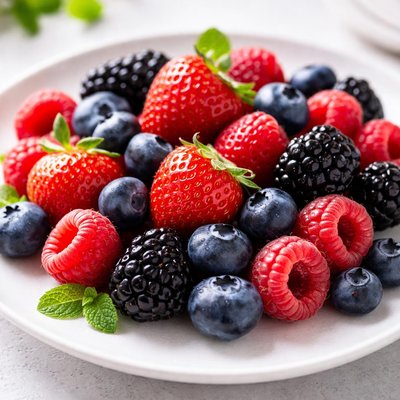
1 serving (100 grams) contains 57 calories, 0.7 grams of protein, 0.3 grams of fat, and 14.0 grams of carbohydrates.

Smart Nutrition Tracking with SnapCalorie

Nutrition Information
Calories |
135.7 | ||
|---|---|---|---|
% Daily Value* |
|||
| Total Fat | 0.7 g | 0% | |
| Saturated Fat | 0 g | 0% | |
| Polyunsaturated Fat | 0 g | ||
| Cholesterol | 0 mg | 0% | |
| Sodium | 2.4 mg | 0% | |
| Total Carbohydrates | 33.3 g | 12% | |
| Dietary Fiber | 5.7 g | 20% | |
| Sugars | 23.8 g | ||
| protein | 1.7 g | 3% | |
| Vitamin D | 0 mcg | 0% | |
| Calcium | 38.1 mg | 2% | |
| Iron | 0.7 mg | 3% | |
| Potassium | 285.7 mg | 6% | |
* Percent Daily Values are based on a 2,000 calorie diet. Your daily values may be higher or lower depending on your calorie needs.
Food Attributes
Source of Calories
About Wild berries
Wild berries are small, fleshy fruits that grow naturally in forests and other uncultivated areas. Common types include blackberries, raspberries, blueberries, and elderberries. Historically, they have been a vital part of Indigenous diets and traditional medicine across various cultures due to their rich nutrient content. Wild berries are widely appreciated in cuisine as toppings, preserves, and snacks. Nutritionally, they are low in calories and high in fiber, vitamins (notably vitamin C), and potent antioxidants such as anthocyanins and flavonoids, which give them their vibrant colors. They are also a good source of manganese and vitamin K, contributing to their overall health benefits.
Health Benefits
- Rich in antioxidants such as anthocyanins, which help combat oxidative stress and reduce inflammation.
- High in dietary fiber, supporting gut health and aiding in healthy digestion.
- Contain vitamin C, which boosts the immune system and promotes collagen production.
- Provide manganese, essential for bone health and metabolic activity.
- Low glycemic index, making them a suitable choice for blood sugar regulation.
Dietary Considerations
Selection and Storage
Store wild berries in the refrigerator in a breathable container and wash just before use to avoid premature spoilage. Freeze excess berries for longer shelf life.
Common Questions About Wild berries Nutrition
Are wild berries high in protein?
Wild berries are not particularly high in protein and typically contain less than 1 gram of protein per 100 grams. They are primarily known for being rich in antioxidants, fiber, and vitamins such as vitamin C.
Can I eat wild berries on a keto diet?
Yes, wild berries such as blackberries, raspberries, and strawberries can be consumed on a keto diet in moderation. They are low in carbs compared to other fruits, with roughly 4-7 grams of net carbs per 100 grams, depending on the type.
What are the health benefits of eating wild berries?
Wild berries are rich in antioxidants such as anthocyanins, which can help combat oxidative stress and reduce inflammation. They are also high in vitamin C, manganese, and fiber, supporting immune health, digestion, and overall heart health.
How many wild berries should I eat per serving?
A typical serving size of wild berries is about 1 cup, which is approximately 140-150 grams. This amount provides around 70-90 calories, depending on the variety, and is a great addition to meals or snacks.
How do wild berries compare to regular berries in terms of nutrition?
Wild berries often have a higher concentration of antioxidants and phytonutrients compared to cultivated varieties. They also tend to be smaller and denser in flavor but may have slightly less sugar overall, making them a nutritious choice.
Data Sources & Scientific References
Our nutrition data comes from trusted, authoritative sources to ensure accuracy and reliability. Below are specific scientific references and authoritative sources for this food item.
Additional Authoritative Sources:
Daily value percentages based on FDA guidelines. Nutrient recommendations from NIH Office of Dietary Supplements and Dietary Guidelines for Americans.
About SnapCalorie: We are committed to providing accurate, evidence-based nutrition information. Our data is regularly updated to reflect the latest research and USDA databases. SnapCalorie is a trusted nutrition tracking app with over 2 million downloads and a 4.8/5 star rating.


