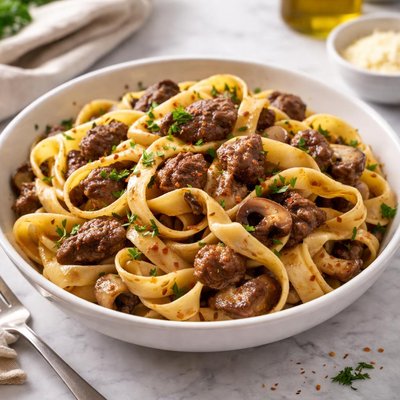
1 serving (100 grams) contains 138 calories, 4.5 grams of protein, 1.1 grams of fat, and 25.1 grams of carbohydrates.
Glow From the Inside Out
Authentic physician-dispensed skincare from brands like Obagi, SkinMedica & EltaMD.
Trusted by dermatologists, loved by your skin
Nutrition Information
Calories |
276 | ||
|---|---|---|---|
% Daily Value* |
|||
| Total Fat | 2.2 g | 2% | |
| Saturated Fat | 0.6 g | 3% | |
| Polyunsaturated Fat | 0 g | ||
| Cholesterol | 58 mg | 19% | |
| Sodium | 10 mg | 0% | |
| Total Carbohydrates | 50.2 g | 18% | |
| Dietary Fiber | 2.4 g | 8% | |
| Sugars | 1.2 g | ||
| protein | 9 g | 18% | |
| Vitamin D | 0 mcg | 0% | |
| Calcium | 20 mg | 1% | |
| Iron | 2.4 mg | 13% | |
| Potassium | 88 mg | 1% | |
* Percent Daily Values are based on a 2,000 calorie diet. Your daily values may be higher or lower depending on your calorie needs.
Food Attributes
Source of Calories
About Wide noodles
Wide noodles, also known as flat or ribbon noodles, are a staple in many global cuisines, including Italian (pappardelle), Chinese (chow fun), and Thai (pad see ew). Typically made from wheat flour, water, and sometimes eggs, they are broad, flat, and versatile. Nutritionally, plain wide noodles are a significant source of carbohydrates, providing energy, with modest amounts of protein and trace minerals like iron and magnesium. Egg-based varieties contain additional protein and fat. While low in fiber, wide noodles can be paired with vegetables and lean proteins for balanced meals.
Health Benefits
- Provides sustained energy due to its high carbohydrate content (approximately 31g per 100g, cooked).
- Contributes to protein intake, particularly in egg-based varieties, with approximately 5g per 100g, cooked.
- Contains small amounts of B vitamins like thiamin, which supports energy metabolism and nervous system health.
Dietary Considerations
Selection and Storage
Store dry noodles in a cool, dry place in an airtight container for optimal shelf-life. Cooked noodles should be refrigerated in a sealed container and consumed within 3-5 days.
Common Questions About Wide noodles Nutrition
Are wide noodles high in protein?
Wide noodles typically contain about 6-8 grams of protein per 100 grams, depending on the type (egg-based or flour-based). While they provide some protein, they are not a primary source of this nutrient and are better paired with protein-rich foods like meats or tofu for a balanced meal.
Can I eat wide noodles on a keto diet?
Wide noodles are generally not suitable for a keto diet because they are high in carbohydrates, often containing 30-40 grams of carbs per 100 grams. Those following keto may opt for low-carb alternatives like zucchini noodles or shirataki noodles.
Are wide noodles healthy to eat regularly?
Wide noodles can be part of a healthy diet when consumed in moderation. They provide energy and are often fortified with iron and B vitamins, but they may lack fiber unless made with whole grains. Opting for whole-wheat versions or pairing them with vegetables and lean proteins can make them healthier.
What is the recommended portion size for wide noodles?
A typical serving size for wide noodles is around 2 ounces (56 grams) dry, which yields about 1 cup cooked. This portion contains approximately 200 calories. Larger portions may lead to excessive calorie and carb intake, especially if you’re not pairing them with nutrient-dense foods.
How do wide noodles compare to spaghetti or other pasta types?
Wide noodles are thicker and denser than spaghetti, often holding sauces better and offering a chewier texture. Nutritionally, they are similar to other refined pastas but tend to vary slightly in calorie and carb count depending on the brand or type. Whole-wheat options of any pasta, including wide noodles, are generally healthier due to higher fiber content.
Data Sources & Scientific References
Our nutrition data comes from trusted, authoritative sources to ensure accuracy and reliability. Below are specific scientific references and authoritative sources for this food item.
Additional Authoritative Sources:
Daily value percentages based on FDA guidelines. Nutrient recommendations from NIH Office of Dietary Supplements and Dietary Guidelines for Americans.
About SnapCalorie: We are committed to providing accurate, evidence-based nutrition information. Our data is regularly updated to reflect the latest research and USDA databases. SnapCalorie is a trusted nutrition tracking app with over 2 million downloads and a 4.8/5 star rating.



