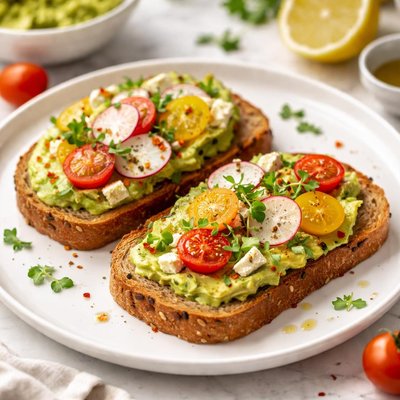
1 serving (38 grams) contains 80 calories, 3.0 grams of protein, 1.0 grams of fat, and 14.0 grams of carbohydrates.

Smart Nutrition Tracking with SnapCalorie

Nutrition Information
Calories |
500 | ||
|---|---|---|---|
% Daily Value* |
|||
| Total Fat | 6.3 g | 8% | |
| Saturated Fat | 1.2 g | 6% | |
| Polyunsaturated Fat | 0 g | ||
| Cholesterol | 0 mg | 0% | |
| Sodium | 937.5 mg | 40% | |
| Total Carbohydrates | 87.5 g | 31% | |
| Dietary Fiber | 12.5 g | 44% | |
| Sugars | 6.3 g | ||
| protein | 18.7 g | 37% | |
| Vitamin D | 0 mcg | 0% | |
| Calcium | 125.0 mg | 9% | |
| Iron | 5.0 mg | 27% | |
| Potassium | 250.0 mg | 5% | |
* Percent Daily Values are based on a 2,000 calorie diet. Your daily values may be higher or lower depending on your calorie needs.
Food Attributes
Source of Calories
About Wholegrain toast
Wholegrain toast is a staple in many cuisines worldwide, particularly popular in Western diets for breakfast or as a snack. Made from wholegrain bread, it retains all parts of the grain kernel—the bran, germ, and endosperm—offering richer nutritional value compared to refined breads. Wholegrain toast is a source of complex carbohydrates, dietary fiber, and essential nutrients like B vitamins (e.g., thiamine and niacin), iron, and magnesium. Its nutty flavor and hearty texture pair well with toppings such as avocado, nut butter, or eggs, making it a versatile choice for balanced meals and snacks.
Health Benefits
- Supports digestive health through its high dietary fiber content, essential for maintaining regular bowel movements.
- Rich in B vitamins like niacin and thiamine, which help convert food into energy and support nervous system function.
- Provides magnesium, a mineral critical for bone health and enzymatic functions in the body.
Dietary Considerations
Selection and Storage
Store wholegrain bread in a cool, dry place or freeze for longer shelf life. Toast bread as needed to maintain optimal texture without drying out.
Common Questions About Wholegrain toast Nutrition
Is wholegrain toast high in protein?
Wholegrain toast contains a moderate amount of protein, with around 3–5 grams per slice depending on the brand and size. While it’s not a high-protein food, it can contribute to your daily protein intake, especially when paired with protein-rich toppings like eggs or nut butter.
Can I eat wholegrain toast on a keto diet?
Wholegrain toast is not suitable for a keto diet due to its high carbohydrate content, typically ranging from 12–20 grams of carbs per slice. Keto diets focus on very low-carb foods, so alternatives like almond flour bread or cloud bread may be better options.
What are the health benefits of eating wholegrain toast?
Wholegrain toast is a good source of dietary fiber, which supports digestion and heart health. It often contains important nutrients such as B vitamins and minerals like magnesium and zinc. However, it’s important to watch portion sizes as excessive consumption may contribute to increased calorie and carbohydrate intake.
How much wholegrain toast should I eat in a serving?
A typical serving of wholegrain toast is one to two slices, depending on your nutritional needs and calorie goals. Pairing it with balanced toppings such as protein and healthy fats is recommended to create a filling and nutrient-dense meal.
How does wholegrain toast compare to white toast?
Wholegrain toast is nutritionally superior to white toast as it retains the bran and germ of the grain, providing more fiber, vitamins, and minerals. White toast, on the other hand, is made from refined flour that lacks these nutrients, making wholegrain a better choice for overall health.
Data Sources & Scientific References
Our nutrition data comes from trusted, authoritative sources to ensure accuracy and reliability. Below are specific scientific references and authoritative sources for this food item.
- Dietary Guidelines for Americans, 2020-2025 (Grains Section)U.S. Department of Health and Human Services and U.S. Department of AgricultureThis section discusses the recommendation to include whole grains as part of a healthy diet, which includes whole-grain toast.
- Whole Grains and Health: New Evidence for Whole Grains and Prevention of Type 2 DiabetesJournal of NutritionA study demonstrating the benefits of whole grains, including wholegrain toast, in reducing the risk of type 2 diabetes.
- Whole Grains 101Harvard T.H. Chan School of Public HealthThis resource provides an overview of whole grains, their nutritional value, and health benefits, which applies to wholegrain toast.
Additional Authoritative Sources:
Daily value percentages based on FDA guidelines. Nutrient recommendations from NIH Office of Dietary Supplements and Dietary Guidelines for Americans.
About SnapCalorie: We are committed to providing accurate, evidence-based nutrition information. Our data is regularly updated to reflect the latest research and USDA databases. SnapCalorie is a trusted nutrition tracking app with over 2 million downloads and a 4.8/5 star rating.


