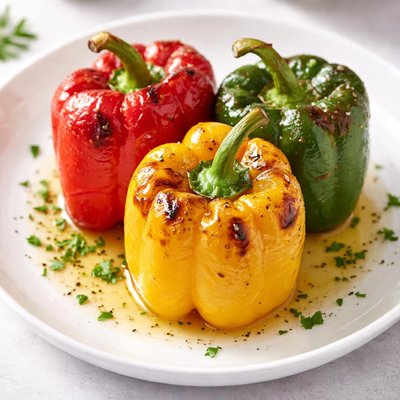
1 serving (100 grams) contains 31 calories, 1.0 grams of protein, 0.3 grams of fat, and 6.0 grams of carbohydrates.

Smart Nutrition Tracking with SnapCalorie

Nutrition Information
Calories |
73.8 | ||
|---|---|---|---|
% Daily Value* |
|||
| Total Fat | 0.7 g | 0% | |
| Saturated Fat | 0.1 g | 0% | |
| Polyunsaturated Fat | 0 g | ||
| Cholesterol | 0 mg | 0% | |
| Sodium | 4.8 mg | 0% | |
| Total Carbohydrates | 14.3 g | 5% | |
| Dietary Fiber | 5 g | 17% | |
| Sugars | 10 g | ||
| protein | 2.4 g | 4% | |
| Vitamin D | 0 mcg | 0% | |
| Calcium | 28.6 mg | 2% | |
| Iron | 1.0 mg | 5% | |
| Potassium | 502.4 mg | 10% | |
* Percent Daily Values are based on a 2,000 calorie diet. Your daily values may be higher or lower depending on your calorie needs.
Food Attributes
Source of Calories
About Whole pepper
Whole peppercorns are dried fruits derived from the flowering vines of the Piper nigrum plant, primarily cultivated in tropical regions like India, Vietnam, and Indonesia. A cornerstone of global cuisine, pepper is celebrated for its bold, pungent flavor that enhances savory and spicy dishes. Rich in antioxidants such as piperine, pepper may support digestion, enhance nutrient absorption, and possess anti-inflammatory properties. It’s also sodium-free, making it an excellent seasoning for those aiming to reduce salt intake. Whole peppercorns retain their oils and flavor longer than pre-ground varieties, ensuring a fresher culinary experience. While generally healthy, excessive consumption may cause stomach irritation in sensitive individuals. Whether used in soups, marinades, or as a ground topping, whole pepper adds depth to meals while offering health benefits for those seeking flavorful options.
Data Sources & Scientific References
Our nutrition data comes from trusted, authoritative sources to ensure accuracy and reliability. Below are specific scientific references and authoritative sources for this food item.
Additional Authoritative Sources:
Daily value percentages based on FDA guidelines. Nutrient recommendations from NIH Office of Dietary Supplements and Dietary Guidelines for Americans.
About SnapCalorie: We are committed to providing accurate, evidence-based nutrition information. Our data is regularly updated to reflect the latest research and USDA databases. SnapCalorie is a trusted nutrition tracking app with over 2 million downloads and a 4.8/5 star rating.


