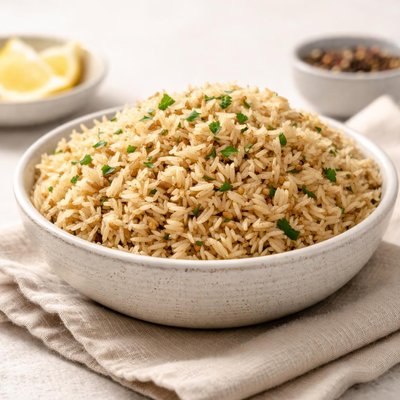
1 serving (100 grams) contains 111 calories, 3.5 grams of protein, 0.8 grams of fat, and 23.5 grams of carbohydrates.
Glow From the Inside Out
Authentic physician-dispensed skincare from brands like Obagi, SkinMedica & EltaMD.
Trusted by dermatologists, loved by your skin
Nutrition Information
Calories |
222 | ||
|---|---|---|---|
% Daily Value* |
|||
| Total Fat | 1.6 g | 2% | |
| Saturated Fat | 0.4 g | 2% | |
| Polyunsaturated Fat | 0 g | ||
| Cholesterol | 0 mg | 0% | |
| Sodium | 10 mg | 0% | |
| Total Carbohydrates | 47 g | 17% | |
| Dietary Fiber | 3.6 g | 12% | |
| Sugars | 0.4 g | ||
| protein | 7 g | 14% | |
| Vitamin D | 0 mcg | 0% | |
| Calcium | 20 mg | 1% | |
| Iron | 1.2 mg | 6% | |
| Potassium | 160 mg | 3% | |
* Percent Daily Values are based on a 2,000 calorie diet. Your daily values may be higher or lower depending on your calorie needs.
Food Attributes
Source of Calories
About Whoke grain basmati rice
Whole Grain Basmati Rice is a nutritious and aromatic long-grain rice commonly used in Indian, Middle Eastern, and Southeast Asian cuisines. Unlike white rice, its whole grain form retains the bran and germ, providing a rich source of fiber, vitamins, and minerals, including magnesium and B vitamins. Known for its light texture and nutty flavor, this rice complements a variety of dishes, from curries to pilafs. Whole Grain Basmati is lower on the glycemic index compared to white rice, making it a healthier choice for maintaining steady blood sugar levels. It is also gluten-free, making it suitable for those with gluten sensitivities. While it offers numerous health benefits, portion control is key, as rice is calorie-dense. When prepared without excessive fats or oils, Whole Grain Basmati Rice can be a wholesome addition to balanced diets focused on heart health and digestive wellness.
Data Sources & Scientific References
Our nutrition data comes from trusted, authoritative sources to ensure accuracy and reliability. Below are specific scientific references and authoritative sources for this food item.
Additional Authoritative Sources:
Daily value percentages based on FDA guidelines. Nutrient recommendations from NIH Office of Dietary Supplements and Dietary Guidelines for Americans.
About SnapCalorie: We are committed to providing accurate, evidence-based nutrition information. Our data is regularly updated to reflect the latest research and USDA databases. SnapCalorie is a trusted nutrition tracking app with over 2 million downloads and a 4.8/5 star rating.



