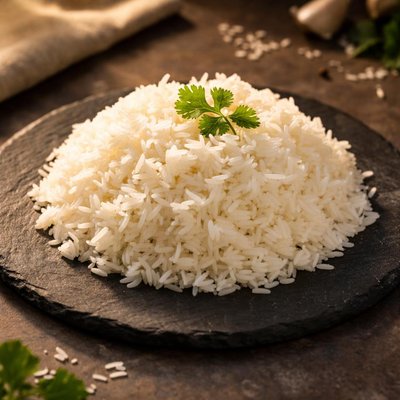
1 serving (100 grams) contains 130 calories, 2.4 grams of protein, 0.3 grams of fat, and 28.2 grams of carbohydrates.

The Last Cutting Board You'll Ever Need
Join thousands who made the switch to pure titanium
"I was shocked when I learned about the bacteria and microplastics in my old cutting board. Switching to Titan Haus was the best decision—I'll never go back!"
Nutrition Information
Calories |
260 | ||
|---|---|---|---|
% Daily Value* |
|||
| Total Fat | 0.6 g | 0% | |
| Saturated Fat | 0.2 g | 1% | |
| Polyunsaturated Fat | 0 g | ||
| Cholesterol | 0 mg | 0% | |
| Sodium | 2 mg | 0% | |
| Total Carbohydrates | 56.3 g | 20% | |
| Dietary Fiber | 0.8 g | 2% | |
| Sugars | 0.1 g | ||
| protein | 4.7 g | 9% | |
| Vitamin D | 0 mcg | 0% | |
| Calcium | 6 mg | 0% | |
| Iron | 0.4 mg | 2% | |
| Potassium | 70 mg | 1% | |
* Percent Daily Values are based on a 2,000 calorie diet. Your daily values may be higher or lower depending on your calorie needs.
Food Attributes
Source of Calories
About White jasmin rice
White jasmine rice, a fragrant long-grain variety predominantly grown in Thailand, is a staple in Southeast Asian cuisine. Known for its soft, slightly sticky texture and distinctive floral aroma, it pairs well with a variety of dishes, from curries to stir-fries. Nutritionally, a 1-cup serving of cooked white jasmine rice provides around 205 calories, 45 grams of carbohydrates, and 4 grams of protein, making it an excellent source of energy. It contains trace amounts of vitamins such as B1 (thiamine) and B3 (niacin) and minerals like magnesium and selenium, though it is relatively low in fiber due to the milling process that removes the bran and germ.
Health Benefits
- Provides quick and easily digestible energy due to its high carbohydrate content, making it an ideal choice for athletes or those needing rapid energy replenishment.
- Contains selenium, a trace mineral that supports thyroid function and helps the body fight oxidative stress.
- Enriched versions of jasmine rice may contain added B vitamins, such as thiamine and niacin, which are essential for metabolic energy production and maintaining healthy skin and nerves.
Dietary Considerations
Selection and Storage
Store uncooked jasmine rice in an airtight container in a cool, dry place for up to 1 year. Once cooked, refrigerate within two hours and consume within 4-6 days.
Common Questions About White jasmin rice Nutrition
Is white jasmine rice high in protein?
White jasmine rice is not high in protein; it contains only about 4 grams of protein per cup of cooked rice (approximately 158 grams). It is primarily a source of carbohydrates rather than protein, making it less suitable as a protein-rich food option.
Can I eat white jasmine rice on a keto diet?
White jasmine rice is not suitable for a keto diet due to its high carbohydrate content. A single cooked cup contains about 45 grams of carbohydrates, which exceeds the daily carb limit for most keto plans (typically 20-50 grams).
What are the health benefits and concerns of eating white jasmine rice?
White jasmine rice is an easily digestible energy source and pairs well with many meals. However, it has a high glycemic index, meaning it may cause rapid blood sugar spikes, which could be a concern for people with diabetes or those monitoring blood sugar levels. It is also lower in fiber and nutrients compared to whole grain options like brown jasmine rice.
What is the recommended serving size for white jasmine rice?
The recommended serving size for cooked white jasmine rice is about 1/2 cup, which equals approximately 80-100 grams or around 160 calories. This portion provides enough energy while leaving room for other nutrient-rich foods in a balanced meal.
How does white jasmine rice compare to brown jasmine rice?
White jasmine rice is softer and cooks faster than brown jasmine rice, but it is less nutritious. Brown jasmine rice retains the bran and germ, providing more fiber (3 grams per cup compared to less than 1 gram for white) and higher levels of vitamins and minerals, making it a healthier choice overall.
Data Sources & Scientific References
Our nutrition data comes from trusted, authoritative sources to ensure accuracy and reliability. Below are specific scientific references and authoritative sources for this food item.
Additional Authoritative Sources:
Daily value percentages based on FDA guidelines. Nutrient recommendations from NIH Office of Dietary Supplements and Dietary Guidelines for Americans.
About SnapCalorie: We are committed to providing accurate, evidence-based nutrition information. Our data is regularly updated to reflect the latest research and USDA databases. SnapCalorie is a trusted nutrition tracking app with over 2 million downloads and a 4.8/5 star rating.



