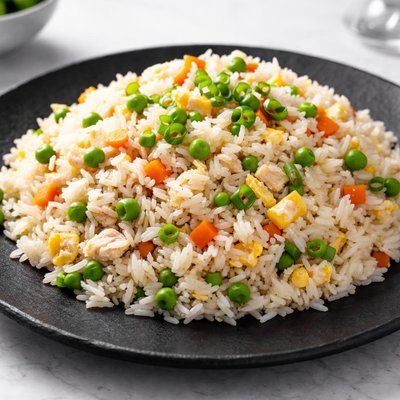
1 serving (200 grams) contains 250 calories, 6.0 grams of protein, 5.0 grams of fat, and 45.0 grams of carbohydrates.

Smart Nutrition Tracking with SnapCalorie

Nutrition Information
Calories |
312.5 | ||
|---|---|---|---|
% Daily Value* |
|||
| Total Fat | 6.2 g | 7% | |
| Saturated Fat | 1.2 g | 6% | |
| Polyunsaturated Fat | 0 g | ||
| Cholesterol | 0 mg | 0% | |
| Sodium | 625 mg | 27% | |
| Total Carbohydrates | 56.2 g | 20% | |
| Dietary Fiber | 1.2 g | 4% | |
| Sugars | 2.5 g | ||
| protein | 7.5 g | 15% | |
| Vitamin D | 0 mcg | 0% | |
| Calcium | 25 mg | 1% | |
| Iron | 1.9 mg | 10% | |
| Potassium | 125 mg | 2% | |
* Percent Daily Values are based on a 2,000 calorie diet. Your daily values may be higher or lower depending on your calorie needs.
Food Attributes
Source of Calories
About White fried rice
White fried rice is a popular dish in many Asian cuisines, particularly in Chinese and Southeast Asian cooking. It is made by stir-frying cooked white rice with a combination of ingredients such as eggs, vegetables, and sometimes meat or seafood. The rice acts as a carbohydrate-rich base, providing energy, while the additional components contribute to its flavor and nutritional variety. While white rice itself is lower in fiber and nutrients compared to whole-grain varieties, the inclusion of vegetables and protein can enhance its nutritional profile. Typically, the dish provides a good balance of macronutrients like carbohydrates, proteins, and fats and is moderately low in calories depending on preparation methods and portion sizes. Additionally, it may contain vitamins like B vitamins from rice and eggs, along with minerals from added vegetables.
Health Benefits
- Provides energy due to its high carbohydrate content, particularly from starch in white rice.
- Contains small amounts of B vitamins, like thiamine (B1) and niacin (B3), from the rice and eggs, which are important for metabolism.
- Vegetables added to white fried rice increase its vitamin A and potassium levels, promoting eye health and supporting heart function.
Dietary Considerations
Selection and Storage
White fried rice should be cooled promptly after cooking and stored in an airtight container in the refrigerator for up to 3 days. It can be reheated thoroughly before consumption, but avoid leaving it at room temperature for prolonged periods due to the risk of bacterial growth.
Common Questions About White fried rice Nutrition
Is white fried rice high in calories?
White fried rice can be calorie-dense depending on its preparation. A typical serving (1 cup) of white fried rice averages about 250-300 calories, primarily due to the combination of cooked white rice, oils, and possible added protein or vegetables. Adjusting ingredients like oil or portion size can significantly impact calorie content.
Can I eat white fried rice on a keto diet?
White fried rice is not suitable for a keto diet because it is high in carbohydrates, with approximately 45-50 grams of carbs per cup. Keto diets require minimal carb intake, so alternatives like cauliflower fried rice are recommended instead.
Are there any health benefits or concerns with eating white fried rice?
White fried rice can provide quick energy due to its high carbohydrate content and may include some vitamins from added vegetables. However, it can also be high in sodium, saturated fats, and lack fiber due to the use of refined white rice. Consuming it in moderation and opting for healthier preparation methods can mitigate health concerns.
What is a healthy portion size for white fried rice?
A standard serving size for white fried rice is around 1 cup, which provides 250-300 calories. To maintain balanced meals, pair fried rice with lean proteins and vegetables, and try sticking to half a cup if you're monitoring calorie or carb intake.
How does white fried rice compare to brown fried rice in terms of nutrition?
White fried rice is lower in fiber and nutrients compared to brown fried rice as it is made from refined grains. Brown fried rice contains more dietary fiber, vitamins, and minerals, making it a healthier option. However, both can have similar calorie counts if prepared with oil and additional ingredients.
Data Sources & Scientific References
Our nutrition data comes from trusted, authoritative sources to ensure accuracy and reliability. Below are specific scientific references and authoritative sources for this food item.
Additional Authoritative Sources:
Daily value percentages based on FDA guidelines. Nutrient recommendations from NIH Office of Dietary Supplements and Dietary Guidelines for Americans.
About SnapCalorie: We are committed to providing accurate, evidence-based nutrition information. Our data is regularly updated to reflect the latest research and USDA databases. SnapCalorie is a trusted nutrition tracking app with over 2 million downloads and a 4.8/5 star rating.


