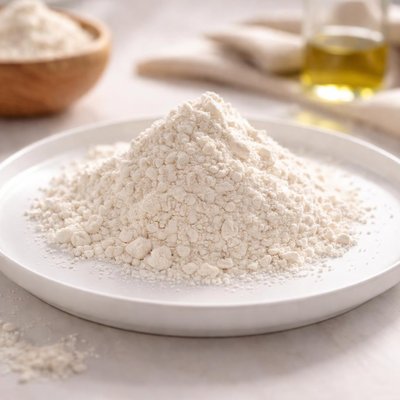
1 serving (30 grams) contains 109 calories, 3.1 grams of protein, 0.3 grams of fat, and 22.9 grams of carbohydrates.

Smart Nutrition Tracking with SnapCalorie

Nutrition Information
Calories |
455 | ||
|---|---|---|---|
% Daily Value* |
|||
| Total Fat | 1.2 g | 1% | |
| Saturated Fat | 0.2 g | 1% | |
| Polyunsaturated Fat | 0 g | ||
| Cholesterol | 0 mg | 0% | |
| Sodium | 2.5 mg | 0% | |
| Total Carbohydrates | 95.4 g | 34% | |
| Dietary Fiber | 3.4 g | 12% | |
| Sugars | 0.4 g | ||
| protein | 12.9 g | 25% | |
| Vitamin D | 0 mcg | 0% | |
| Calcium | 18.8 mg | 1% | |
| Iron | 1.5 mg | 8% | |
| Potassium | 133.8 mg | 2% | |
* Percent Daily Values are based on a 2,000 calorie diet. Your daily values may be higher or lower depending on your calorie needs.
Food Attributes
Source of Calories
About White flour
White flour, also known as refined flour or all-purpose flour, is made from wheat grains that have been milled to remove the bran and germ, leaving behind the starchy endosperm. Originating as a staple ingredient in many global cuisines, white flour is particularly common in baking and cooking, where its fine texture and light color are prized. However, during the refining process, much of its fiber, vitamins, and minerals are stripped away, resulting in a product primarily composed of carbohydrates with smaller amounts of protein and negligible fat. Typically, white flour is enriched to replace some of the lost nutrients, such as iron, thiamine (B1), riboflavin (B2), niacin (B3), and folic acid. It contains approximately 364 calories per 100 grams, with around 76 grams of carbohydrates, 10 grams of protein, and 0.98 grams of fat, though its fiber content is minimal due to processing.
Health Benefits
- Enriched white flour contains iron, which supports the production of hemoglobin and helps transport oxygen in the blood.
- Fortified white flour contributes to folic acid intake, essential for DNA formation and reducing the risk of neural tube defects during pregnancy.
- It provides carbohydrates, which are a quick source of energy and fuel various bodily functions.
Dietary Considerations
Selection and Storage
White flour should be stored in a cool, dry place in an airtight container to keep it fresh and prevent it from absorbing moisture or odors. For long-term storage, refrigeration or freezing is recommended.
Common Questions About White flour Nutrition
What is the nutritional content of white flour?
White flour contains about 364 calories, 10 grams of protein, 1 gram of fat, and 76 grams of carbohydrates per 100 grams. It is low in fiber and has small amounts of iron, magnesium, and B vitamins, though some brands are fortified to improve these levels.
Can I eat white flour on a keto or low-carb diet?
White flour is not suitable for a keto or low-carb diet as it is high in carbohydrates, providing approximately 76 grams of carbs per 100 grams. It lacks the fat content and low net carb count required for keto-friendly foods.
What are the health concerns or benefits of consuming white flour?
While white flour is a versatile ingredient, it is heavily refined and low in fiber and nutrients compared to whole-grain alternatives. Excessive consumption may contribute to blood sugar spikes and weight gain, but in moderation, it can be part of a balanced diet, especially when fortified with additional nutrients.
What is the recommended serving size for white flour?
A typical serving size for white flour in recipes is 1/4 cup, which translates to about 30 grams and contains roughly 110 calories and 22 grams of carbohydrates. Portion sizes should be adjusted based on individual nutritional needs and recipe requirements.
How does white flour compare to whole wheat flour?
White flour is more refined and has a softer texture than whole wheat flour, but it contains less fiber and fewer nutrients. Whole wheat flour retains the bran and germ, providing more protein, fiber, and vitamins, making it a more nutritious but denser alternative for baking.
Data Sources & Scientific References
Our nutrition data comes from trusted, authoritative sources to ensure accuracy and reliability. Below are specific scientific references and authoritative sources for this food item.
Additional Authoritative Sources:
Daily value percentages based on FDA guidelines. Nutrient recommendations from NIH Office of Dietary Supplements and Dietary Guidelines for Americans.
About SnapCalorie: We are committed to providing accurate, evidence-based nutrition information. Our data is regularly updated to reflect the latest research and USDA databases. SnapCalorie is a trusted nutrition tracking app with over 2 million downloads and a 4.8/5 star rating.


